Analytics Measurement Plan: From Why to What
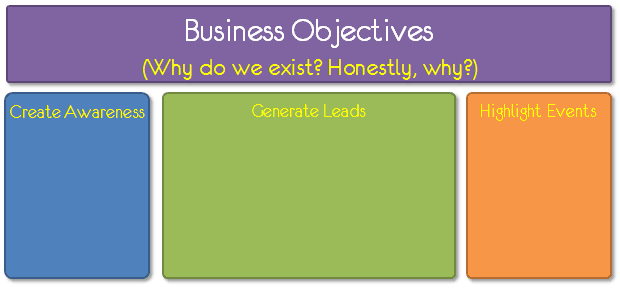
An analytics measurement plan forces you to define success before you look at data. It connects high-level business objectives to specific user actions and sets clear targets.
The mental model
An analytics measurement plan is a structured document that forces you to define success before you ever look at a tool or report. The core idea is that most analytics failures stem not from bad data, but from a lack of clear purpose. This plan connects high-level business objectives to concrete, measurable outcomes.
How it works
The plan is built using a five-step process. First, identify the business objectives by asking senior leaders, "Why does this website or campaign exist?". Second, define crisp goals for each objective. Third, choose Key Performance Indicators (KPIs) to measure those goals. Fourth, set specific targets for each KPI to know what success looks like. Fifth, identify the user segments you will analyze to understand why you succeeded or failed.
A complete plan must cover three areas: Acquisition (how you get traffic, e.g., paid, owned, earned media), Behavior (what you want users to do on your site), and Outcomes (what actions deliver value to the business, like a sale or lead).
When to use it
Create a measurement plan before launching any significant digital initiative, such as a new website, marketing campaign, or major feature. It is the foundational document for aligning executives, marketing, and data teams on a shared definition of success. It turns vague requests into a concrete measurement strategy.
When not to use it
This framework is for strategic planning, not for quick, ad-hoc data exploration. If you are simply debugging a technical issue or exploring a dataset without a specific business question, you don't need to build a full five-step plan. It's overkill for minor tactical adjustments.
One canonical example
A real estate company's business objective is to "generate offline leads." A goal for this is to "increase qualified online inquiries." The KPI is "'Contact Agent' form submissions." The target is "200 submissions per month." A key segment to analyze would be comparing submissions from Paid Search vs. Organic traffic to see which channel delivers more valuable leads.
Interview question
What is the primary benefit of developing an analytics measurement plan before launching a new digital initiative?
- a.It helps in debugging technical issues and ensuring data accuracy post-launch.
- b.It allows for ad-hoc exploration of data to discover unforeseen user behaviors.
- c.It aligns high-level business objectives with specific, measurable outcomes and defines success upfront.Correct
- d.It provides a comprehensive list of all available metrics for future analysis.
Why? this is the answer
The card emphasizes that the plan forces you to "define success before you ever look at a tool or report" and "connects high-level business objectives to concrete, measurable outcomes." This directly corresponds to aligning objectives and defining success proactively. The card explicitly states the plan is not for debugging or ad-hoc exploration, making options A and D incorrect.
Just read this? Test yourself on what you have been reading.
Read the original → kaushik.net
You just looked this up. Could you explain it out loud?
That is the part interviews actually test. Tezvyn takes questions like this one and gives you what the interviewer is really checking, the answer that lands, and the mistake that ends the conversation, in the four minutes before your next meeting.
The iPhone app is on the way
We are building it. Until it lands, nothing here is held back from you: every interview card, your saved cards, streaks and the job board all work in Safari, plus hundreds of free practice quizzes of thirty questions each. Sign in and it all carries over to the app the day it arrives.
Want it as an icon? Tap Share at the bottom of Safari, then Add to Home Screen. It opens full screen and the cards you have read stay available offline.
We are hiring for this. Open roles that interview on analytics — each one lists the topics its interview covers.
See open roles