Challenges of transitioning to cross-functional teams
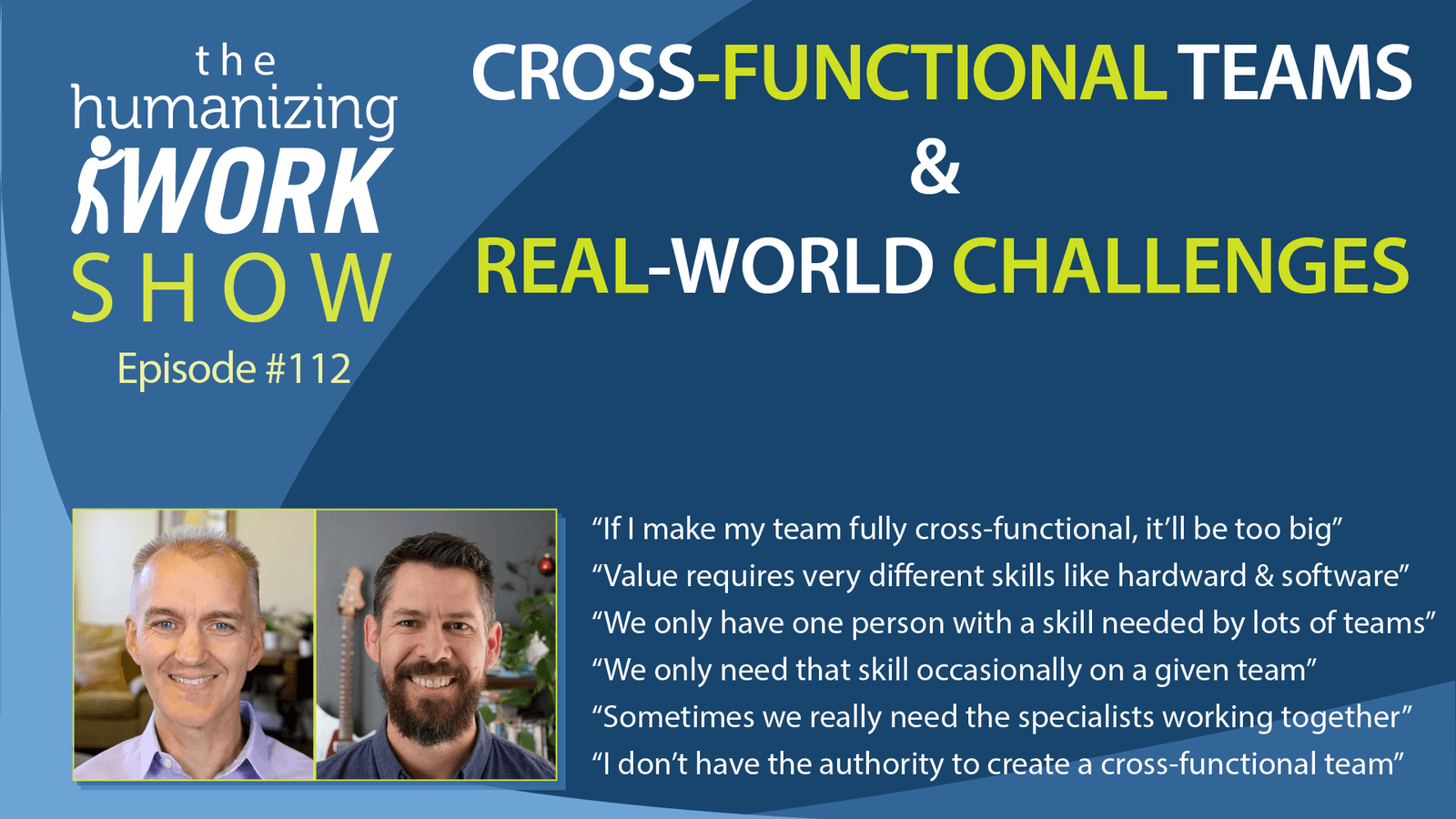
Tests your experience with real-world agile transitions. A good answer covers process friction (new roles), technical gaps (tooling, T-shaped skills), and cultural shifts. A red flag is blaming other roles or giving textbook-only agile answers.
WHAT THIS TESTS: This is a test of your practical experience with organizational change and DevOps principles, not a theoretical agile quiz. The interviewer wants to see if you can anticipate real-world friction beyond your specific role (e.g., coding). They are assessing your empathy for other disciplines (QA, Ops), your understanding of system-level problems like tooling and environments, and your maturity in navigating ambiguity and the initial productivity dips that always accompany major change.
A GOOD ANSWER COVERS: A strong answer will touch on three categories of challenges that surface in the first 90 days. First, process challenges: new, often-inefficient ceremonies; ambiguity in roles (e.g., 'Who approves this PR now?'); and the tendency to create a 'mini-waterfall' within the sprint. Second, technical challenges: a lack of integrated tooling (Devs lack prod access, Ops lacks IDE experience); skill gaps where engineers are not yet 'T-shaped'; and the sudden ownership of legacy test suites or fragile infrastructure code. Third, cultural challenges: the loss of professional identity (e.g., 'I'm a QA, not a developer'); building trust between former 'silos'; and managing the frustration of an initial velocity drop of 20-40%, which is almost certain to happen.
COMMON WRONG ANSWERS: The biggest red flag is blaming other roles, e.g., 'QA engineers just need to learn to code' or 'Ops is too slow.' Another is giving a textbook Scrum definition without acknowledging the human friction and technical debt involved. A weak answer focuses only on the developer's problems, ignoring the immense pressure on the QA and Ops members who have just been embedded. Finally, hand-waving the technical details is a miss; senior candidates should be able to name specific tooling or access-level conflicts.
LIKELY FOLLOW-UPS: Expect questions like: 'Pick one of those challenges and describe the first step you would take to fix it as a senior engineer on the team.' Or, 'How would you propose measuring the success of this transition after six months?' Or, 'What specific support would you ask for from your manager to make this work?'
ONE CONCRETE EXAMPLE: A developer finishes their feature code on day 4 of a 10-day sprint. In the old siloed model, they'd throw it over the wall to the QA team. Now, the team's single QA engineer is overloaded. The developer faces a choice: start a new story (risking the sprint goal), or step up. A good engineer might offer to pair with the QA to write automated integration tests, or learn the manual testing plan to help reduce the backlog. This immediate pain point reveals the skills gap and the need for a 'team-first' mindset over a 'role-first' one.
Read the original → humanizingwork.com
Get five bites like this every day.
Tezvyn delivers a daily feed of 60-second tech bites with quizzes to lock in what you learn.