Common Crawl: A Free Snapshot of the Entire Web
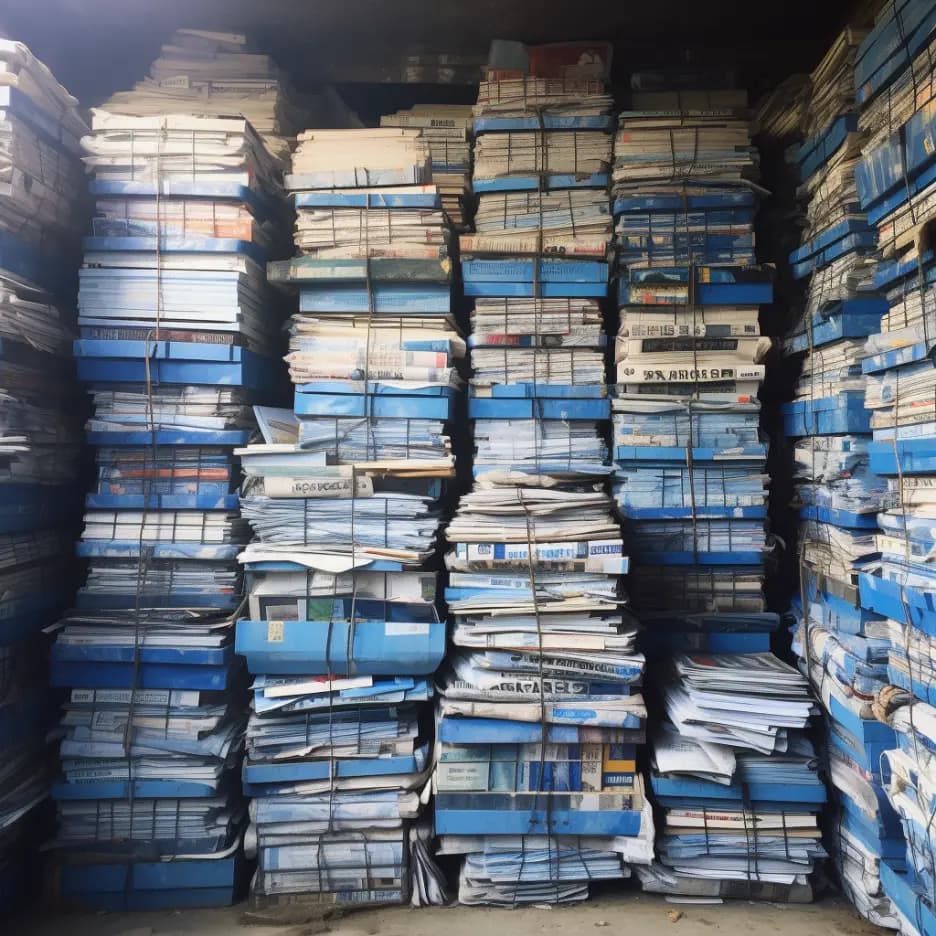
Common Crawl is a public library of the internet—a massive, free snapshot of web text and links. It's the raw material for training many LLMs and for academic research on web-scale data. The footgun: it's unfiltered, containing everything from facts to spam.
Why it exists
The web is the largest repository of human knowledge, but crawling and storing it is prohibitively expensive for most. Common Crawl was created to solve this by providing a free, open, and regularly updated copy of the web, making large-scale data analysis accessible to everyone, not just large tech companies.
The mental model
Think of Common Crawl as a regularly published archive of the public internet. Instead of you having to send out a fleet of bots to read and save billions of web pages, a non-profit does it for you and makes the entire collection available. It's not a search engine like Google; it's the raw library of books that a search engine would index.
How it works
Every month or two, Common Crawl's crawler, CCBot, scours the web, fetching billions of pages. This raw data, including HTML, text content, and link metadata, is then packaged and stored in publicly accessible formats. Users can access the entire dataset or use provided indexes, like the URL Index, to find specific subsets of data without downloading petabytes of information.
When to use it
Use Common Crawl when you need a massive, diverse corpus of text and web data. It's the starting point for training large language models, conducting large-scale linguistic research, analyzing the structure of the web graph, or studying trends in online content over time. It is ideal for projects that can handle the scale and messiness of raw web data.
When not to use it
Avoid Common Crawl if you need clean, curated, or domain-specific data out of the box. The dataset is famously noisy, containing spam, boilerplate text, machine-translated content, and toxic language. If your project requires high-quality, verified information or you lack the resources to perform extensive data cleaning, you should use a more curated dataset.
One canonical example
A research team wants to train a new large language model. Instead of spending millions on infrastructure to crawl the web themselves, they download the latest Common Crawl dump. They then spend months writing complex filtering scripts to remove low-quality pages, de-duplicate content, and balance data sources before feeding the cleaned text into their model training process. This is a typical workflow for many well-known open-source LLMs.
Interview question
For what primary purpose is Common Crawl most effectively utilized?
- a.Serving as a pre-filtered, high-quality dataset for domain-specific applications.
- b.Offering a massive, raw corpus of web content for large-scale research and model training.Correct
- c.Functioning as a specialized search engine to find verified information on the internet.
- d.Providing real-time, curated data for immediate business intelligence.
Why? this is the answer
The card states Common Crawl is "the raw material for training many LLMs and for academic research on web-scale data" and is ideal for projects that "can handle the scale and messiness of raw web data." It explicitly notes it is "not a search engine" and is "famously noisy," requiring extensive cleaning, making options A, B, and D incorrect.
Just read this? Test yourself on what you have been reading.
Read the original → commoncrawl.org
You just looked this up. Could you explain it out loud?
That is the part interviews actually test. Tezvyn takes questions like this one and gives you what the interviewer is really checking, the answer that lands, and the mistake that ends the conversation, in the four minutes before your next meeting.
The iPhone app is on the way
We are building it. Until it lands, nothing here is held back from you: every interview card, your saved cards, streaks and the job board all work in Safari, plus hundreds of free practice quizzes of thirty questions each. Sign in and it all carries over to the app the day it arrives.
Want it as an icon? Tap Share at the bottom of Safari, then Add to Home Screen. It opens full screen and the cards you have read stay available offline.
We are hiring for this. Open roles that interview on data — each one lists the topics its interview covers.
See open roles