Design Linting: A Spellchecker for Your Designs
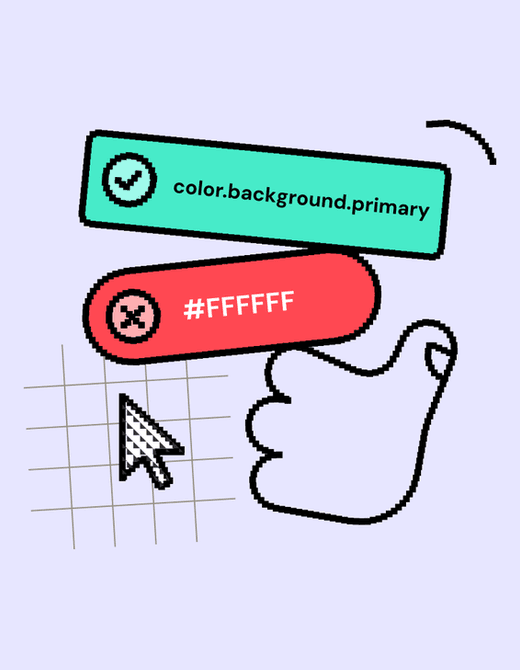
Design linting is like a spellchecker for your design files, automatically flagging inconsistencies against your design system's rules. It helps maintain visual consistency at scale and speeds up design reviews.
WHY IT EXISTS: Manual design reviews are slow, error-prone, and don't scale. As teams grow, it's impossible to manually check every design for compliance with the design system, leading to inconsistent user experiences and accumulating design debt.
THE MENTAL MODEL: Think of a design linter as a spellchecker or code linter, but for design files. It's an automated assistant that scans your work in an app like Figma and points out where you've deviated from the established design system rules, helping you stay consistent.
HOW IT WORKS: A linter is a plugin or script that runs against your design files. It's configured with a set of rules based on your design system's tokens and components. For example, a rule might check that all colors used are from the approved palette, or that spacing follows the 8-point grid. When it finds a violation, it flags the specific layer or element and often provides a suggestion for how to fix it.
WHEN TO USE IT: Use design linting to enforce consistency in large organizations with many designers and products. It's also valuable for automating parts of the design review process and for onboarding new team members by providing immediate, contextual feedback on using the design system correctly.
WHEN NOT TO USE IT: Avoid enforcing linting during early-stage, exploratory design phases where breaking the rules is part of the creative process. For very small teams where manual oversight is sufficient, the overhead of setting up and maintaining a linter might not be worthwhile.
ONE CANONICAL EXAMPLE: A designer is working quickly and accidentally types the hex code #FEFEFE for a background instead of using the design system's 'off-white' color token. A design linter would automatically detect this rogue color, flag the element, and prompt the designer to replace it with the correct token, preventing a subtle inconsistency from reaching production. The footgun is blindly accepting all linter suggestions without critical thought; sometimes rules need to be broken for a good reason.
Read the original → zeroheight.com
Get five bites like this every day.
Tezvyn delivers a daily feed of 60-second tech bites with quizzes to lock in what you learn.