Light Field Photography: Capturing Light's Direction
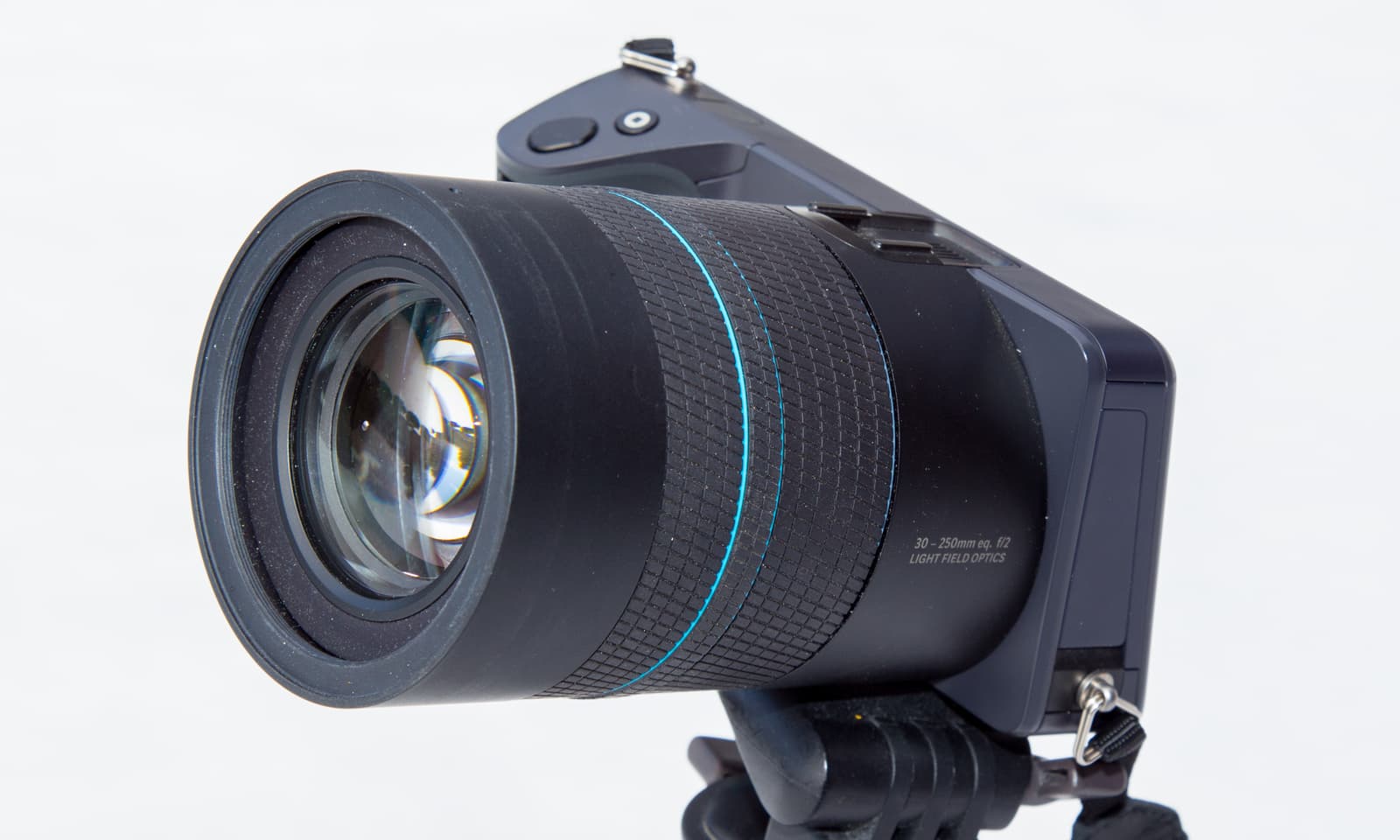
A light field camera captures not just what light hits the sensor, but where it came from. It records both the intensity and direction of every ray, unlike conventional cameras that only see intensity. The footgun is thinking it's just a better 2D camera.
WHY IT EXISTS: Conventional photography fundamentally loses information. A camera collapses all the light rays from a 3D scene onto a 2D sensor, recording only their final intensity and color. Light field photography was developed to capture the directional information that this process discards.
THE MENTAL MODEL: Think of a conventional camera as a single, large bucket catching rain; it only tells you how much rain fell, not the direction it came from. A light field camera is like an array of tiny, narrow tubes. Each tube not only measures the amount of rain but also, by its very angle, records the direction the rain arrived from. It captures both intensity and vector.
HOW IT WORKS: A light field camera, also known as a plenoptic camera, captures the full light field of a scene. This means it records two key pieces of information for the light rays hitting the sensor: their intensity (how bright they are) and their precise direction of travel. This is the defining feature that separates it from a conventional camera, which only records the intensity of light at different points.
WHEN TO USE IT: Use a light field camera when the direction of light rays contains critical information for your application. This applies to any situation where you need to analyze the structure of light in a scene, not just create a final 2D image based on its intensity.
WHEN NOT TO USE IT: When a standard 2D image is sufficient. If your only goal is to capture a scene's appearance in terms of brightness and color, the additional data and complexity of a light field system are unnecessary. A conventional camera is more direct for that purpose.
ONE CANONICAL EXAMPLE: A canonical example is any scientific or computational imaging task where the goal is to analyze the complete properties of light emanating from a subject. Instead of just taking a picture of the scene, the camera is used as a measurement device to capture how light is flowing through the scene.
Read the original → en.wikipedia.org
Get five bites like this every day.
Tezvyn delivers a daily feed of 60-second tech bites with quizzes to lock in what you learn.