Offer Structuring: Packaging Value, Not Just Services
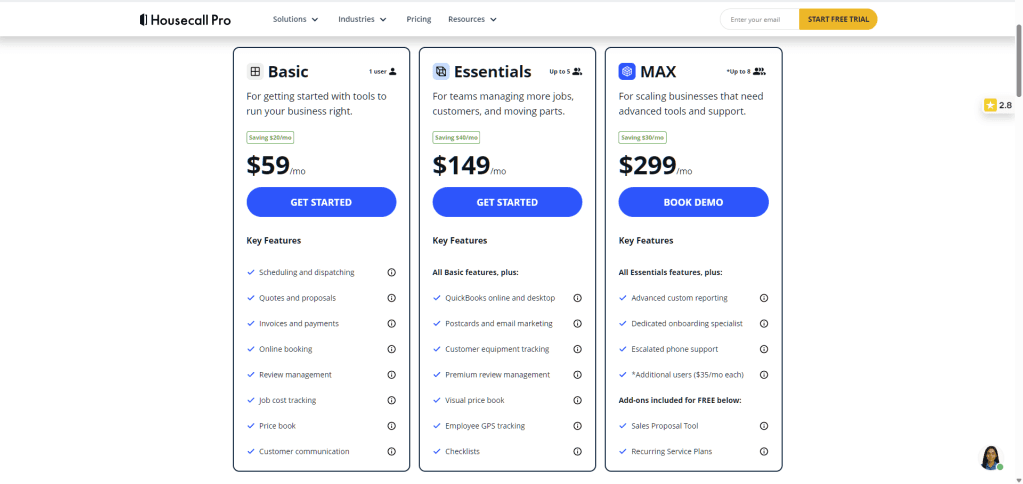
Offer structuring frames your product to increase its perceived value, not change the product itself. It bundles services into outcome-focused packages and adds bonuses that make a purchase feel easier and safer.
Why it exists
Customers rarely make purchasing decisions by logically comparing every feature. They make fast, emotional decisions based on what feels easiest, safest, and like the best deal. A weak offer structure, even for an amazing product, creates confusion and price resistance, while a strong one creates clarity and momentum.
The mental model
Offer structuring is about packaging, not the product. Think of it as the frame around a painting. Two businesses can sell the exact same service, but the one with the better structure feels more valuable, justifies a higher price, and converts more customers. You're selling the outcome, not the list of tasks.
How it works
The primary tools are bundling and bonuses. Bundling combines multiple products or services into a single offer. This simplifies decision-making and makes pricing feel more reasonable. For instance, an SEO company might bundle "SEO," "Website Optimization," and "GBP Management" into a single package called "The Local Lead Generation System." Bonuses are add-ons designed to make the core offer feel faster, easier, or safer. An effective bonus solves a related problem or overcomes a common objection, like offering "Free Google Business Profile optimization" instead of a generic ebook.
When to use it
Use offer structuring to increase conversions and average order value for a service. It's ideal when you can combine individual tasks into a complete solution. This works well with tiered bundles (e.g., Basic, Standard, Premium) that guide customers toward a higher-value option, or outcome-based bundles that focus on the result, not the work involved.
When not to use it
Avoid creating overly complex bundles that confuse the customer. The goal is clarity, not a longer feature list. Don't use bonuses as a crutch for a weak core offer; a bonus should enhance a strong offer, not try to save a bad one. If a bonus doesn't make the main outcome feel faster, easier, or safer, it's just noise.
One canonical example
A marketing consultant stops selling hourly services. Instead, they create a package named the "90-Day Lead Generation System." It bundles their core services (SEO, content writing) and focuses on the outcome. To make the offer safer, they add a bonus of "Priority Support" and a "Done-for-you Setup Assistance" to remove friction. This shifts the customer's focus from the cost of the tasks to the value of the result.
Interview question
According to the principles of offer structuring, which approach is most effective for increasing perceived value and conversions?
- a.Enhancing a product's core features to outperform competitors
- b.Clearly listing all individual tasks and features included in a service for transparency
- c.Reducing the price of individual services to attract a wider customer base
- d.Bundling existing services into an outcome-focused package with value-added bonusesCorrect
Why? this is the answer
Offer structuring focuses on packaging existing services into outcome-focused bundles and adding bonuses to increase perceived value and simplify decision-making. While listing tasks (B) provides transparency, it often leads to confusion and price resistance, whereas the goal is to sell the outcome, not the list of tasks.
Just read this? Test yourself on what you have been reading.
Read the original → brandonboushy.com
- #copywriting
- #marketing
- #positioning
- #sales
You just looked this up. Could you explain it out loud?
That is the part interviews actually test. Tezvyn takes questions like this one and gives you what the interviewer is really checking, the answer that lands, and the mistake that ends the conversation, in the four minutes before your next meeting.
The iPhone app is on the way
We are building it. Until it lands, nothing here is held back from you: every interview card, your saved cards, streaks and the job board all work in Safari, plus hundreds of free practice quizzes of thirty questions each. Sign in and it all carries over to the app the day it arrives.
Want it as an icon? Tap Share at the bottom of Safari, then Add to Home Screen. It opens full screen and the cards you have read stay available offline.
We are hiring for this. Open roles that interview on copywriting — each one lists the topics its interview covers.
See open roles