Principled Negotiation: Focus on Interests, Not Positions
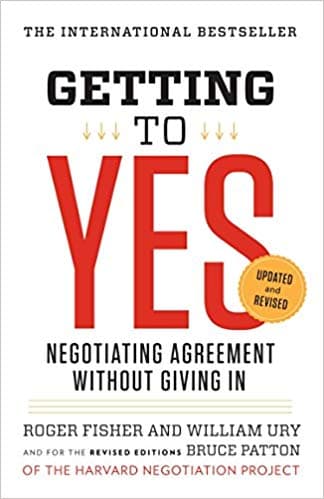
Principled negotiation avoids a battle of wills by focusing on shared interests, not rigid positions. It's a method for finding mutually acceptable agreements in conflicts. Use it in business deals or team disagreements.
Why it exists
Traditional negotiation is often positional bargaining—a contest of wills where one side wins and the other loses. This approach damages relationships and often leads to suboptimal agreements or deadlock. Principled negotiation was developed to create a more collaborative, effective process for reaching wise, durable agreements.
The mental model
Think of negotiation as being partners in solving a shared problem, not adversaries in a fight. Instead of digging into your position ("I want the corner office"), you explore the underlying interests ("I need a quiet space for deep work"). This reframing opens up the solution space far beyond the initial demands.
How it works
The method rests on four core principles. First, separate the people from the problem; address personal issues directly but don't let them derail the substance of the negotiation. Second, focus on interests, not positions; ask "why?" to uncover the real needs behind a stated demand. Third, invent options for mutual gain; brainstorm a wide range of possibilities before deciding on one. Fourth, insist on using objective criteria; base the agreement on fair standards like market value or expert opinion, not just one party's will.
When to use it
It is a universally applicable method for nearly any conflict, from business deals and salary negotiations to resolving team disputes or setting project scope. It is especially powerful when you want to preserve or improve a long-term relationship while still achieving your goals.
When not to use it
The method assumes a degree of rationality. While it includes strategies for dealing with difficult people, it can be challenging with a party acting in pure bad faith or in highly transactional, one-off negotiations where power dynamics are the only thing that matters. Even then, its principles can help you avoid being taken advantage of.
One canonical example
Two engineers both demand the single available high-end GPU. A positional bargain means one winner and one resentful loser. Principled negotiation explores their interests. Engineer A needs it for a week to train a critical model for a deadline. Engineer B needs it for intermittent debugging. Their shared interest is project success. The solution: they create a schedule, giving Engineer A exclusive access for the week and Engineer B guaranteed access afterward. Both interests are satisfied.
Interview question
What is the primary mechanism by which principled negotiation aims to achieve wise, durable agreements?
- a.By allowing one party to make concessions to preserve the long-term relationship.
- b.By separating the individuals from the issues to prevent emotional interference.
- c.By ensuring that all parties adhere strictly to pre-defined objective standards.
- d.By moving beyond stated positions to uncover underlying interests and invent options for mutual gain.Correct
Why? this is the answer
The core of principled negotiation is to shift from rigid demands (positions) to understanding deeper needs (interests), which then allows for the invention of creative solutions that benefit all parties. While separating people from the problem (B) is a crucial principle, it primarily facilitates the negotiation process rather than being the direct mechanism for generating the agreement itself.
Just read this? Test yourself on what you have been reading.
Read the original → pon.harvard.edu
- #negotiation
- #conflict resolution
- #strategy
- #getting to yes
You just looked this up. Could you explain it out loud?
That is the part interviews actually test. Tezvyn takes questions like this one and gives you what the interviewer is really checking, the answer that lands, and the mistake that ends the conversation, in the four minutes before your next meeting.
The iPhone app is on the way
We are building it. Until it lands, nothing here is held back from you: every interview card, your saved cards, streaks and the job board all work in Safari, plus hundreds of free practice quizzes of thirty questions each. Sign in and it all carries over to the app the day it arrives.
Want it as an icon? Tap Share at the bottom of Safari, then Add to Home Screen. It opens full screen and the cards you have read stay available offline.
We are hiring for this. Every open role lists the topics its interview covers, so you can prepare for the real thing rather than guessing.
See open roles