Visual Commonsense Reasoning (VCR): From Recognition to Cognition
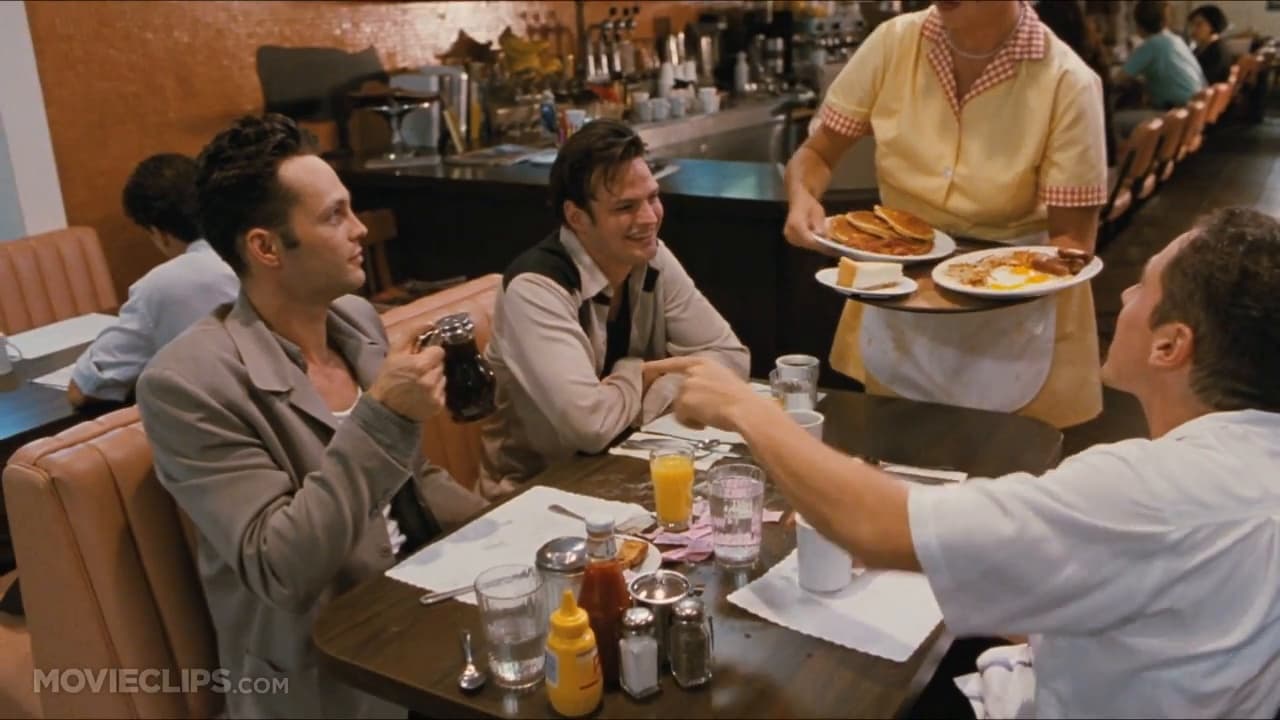
VCR pushes AI from simple object recognition to human-like reasoning by asking not just 'what' is in an image, but 'why.' Models must select both the correct answer and the correct rationale, exposing models that guess answers based on shallow correlations.
Why it exists
Standard computer vision models excel at recognition—identifying objects, people, and actions. However, they struggle with commonsense reasoning: understanding the relationships, intentions, and likely outcomes in a scene. VCR was created to push models from simple perception to cognitive-level understanding.
The mental model
Think of VCR as a two-part exam. It's not enough to answer a multiple-choice question about an image; you must also show your work by explaining why your answer is correct. This forces a model to connect its answer back to visual evidence and world knowledge, moving from 'recognition to cognition.'
How it works
A model is presented with an image, a question, and multiple-choice answers. After selecting an answer, it is then presented with multiple-choice rationales and must select the one that best justifies its chosen answer. A correct VCR prediction requires getting both the answer and the rationale right. The dataset is large-scale (290k questions over 110k images) and designed to be challenging, with counterfactuals generated to prevent simple pattern matching.
When to use it
VCR is primarily a research benchmark and dataset, not a production tool. It's used to evaluate and train models intended for applications requiring deep scene understanding, such as advanced robotics, AI assistants that can reason about their environment, or content moderation systems that need to understand context.
When not to use it
Do not use the VCR framework for simple, high-speed object detection or classification tasks. If you just need to know if a cat is in an image, VCR is massive overkill. Its complexity is for training and evaluating models on reasoning, not basic perception.
One canonical example
Given an image of people at a diner, a model is asked, 'Why is person A pointing at person B?' The model must first select the correct answer, like 'He is telling the server that person B ordered the pancakes.' Then, it must select the correct rationale, such as 'Because person B has a plate of pancakes in front of them.' Answering one without the other is a failure.
Interview question
What is the fundamental purpose of VCR's two-part requirement, where models must select both an answer and a rationale?
- a.To simplify the annotation process by breaking down complex questions.
- b.To allow models to generate free-form textual explanations for their decisions.
- c.To expand the variety of questions that can be asked about an image.
- d.To ensure models demonstrate genuine understanding and reasoning, not just pattern matching.Correct
Why? this is the answer
The card states VCR was created to "expose models that guess answers based on shallow correlations" and to force models to "connect its answer back to visual evidence and world knowledge, moving from 'recognition to cognition.'" This directly aligns with ensuring genuine understanding. Option B is incorrect because VCR uses multiple-choice rationales, not free-form generation.
Just read this? Test yourself on what you have been reading.
Read the original → visualcommonsense.com
- #computer vision
- #ai benchmark
- #commonsense reasoning
- #machine learning
You just looked this up. Could you explain it out loud?
That is the part interviews actually test. Tezvyn takes questions like this one and gives you what the interviewer is really checking, the answer that lands, and the mistake that ends the conversation, in the four minutes before your next meeting.
The iPhone app is on the way
We are building it. Until it lands, nothing here is held back from you: every interview card, your saved cards, streaks and the job board all work in Safari, plus hundreds of free practice quizzes of thirty questions each. Sign in and it all carries over to the app the day it arrives.
Want it as an icon? Tap Share at the bottom of Safari, then Add to Home Screen. It opens full screen and the cards you have read stay available offline.
We are hiring for this. Open roles that interview on computer vision — each one lists the topics its interview covers.
See open roles