Work Item Age: Don't Let Your Tasks Spoil
Think of work item age as the time elapsed since a task started, like food in a fridge with an expiration date. Kanban teams use it to spot delays and bottlenecks. The biggest mistake is tracking age without acting on aging items to unblock them.
The mental model
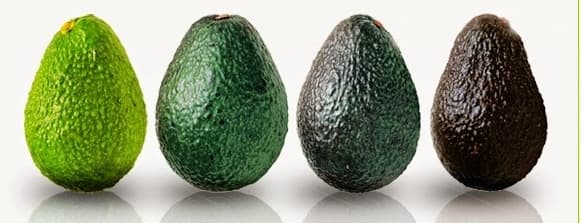
Work Item Age is the amount of elapsed time between when a work item started and the current time. Think of it like food in your refrigerator. An avocado starts ripening the moment you buy it; if forgotten, it spoils. Similarly, a work item starts aging the moment work begins, and if it gets stuck, its value can spoil.
How it works
Teams track this on a Work Item Aging chart. This scatter plot shows all work currently in progress. Each dot is a work item. The horizontal x-axis represents the stages of your workflow, and the vertical y-axis shows the age of each item in days. As items age, their dots move up. The chart often includes percentile lines representing the team's Service Level Expectations (SLEs), such as how long 85% or 95% of past items took to complete. A dot approaching or crossing an SLE line is a warning sign.
When to use it
Use this metric to maintain a healthy, predictable flow of work. It's a leading indicator of potential problems. Teams review the aging chart in daily meetings to focus conversations on what needs attention to keep work moving. It helps answer questions like: Which items are at risk? Where are the bottlenecks? What can we do right now to unblock a specific task?
When not to use it
Work Item Age is not a tool for judging individual performance. Blaming a person for an aging item creates fear and encourages hiding problems, which is the opposite of the goal. The conversation should always be about the system and the work, asking "What is stopping this item?" not "Why are you so slow?". The focus is on resolving system-level blockers, not on individual output.
One canonical example
A team's daily stand-up includes reviewing their aging chart. They spot a task in the "In Review" column that is 12 days old. Their 85th percentile SLE for completing work is 15 days. This item is at risk of becoming a late delivery. The team discusses it and learns the original reviewer is swamped. They immediately swarm to help with the review, unblocking the item and restoring its flow before it officially breaches their SLE.
Interview question
What is the primary purpose of monitoring Work Item Age in a Kanban system?
- a.To determine if the initial time estimate for a task was accurate.
- b.To identify specific team members who are causing delays in the workflow.
- c.To assess the overall productivity and efficiency of the development team.
- d.To detect potential bottlenecks and impediments that are hindering work progression.Correct
Why? this is the answer
The card states that Work Item Age is used to "spot delays and bottlenecks" and is a "leading indicator of potential problems" to "unblock a specific task." Option B is incorrect because the card explicitly warns against using this metric to judge individual performance, emphasizing a focus on system-level issues.
Just read this? Test yourself on what you have been reading.
Read the original → prokanban.org
You just looked this up. Could you explain it out loud?
That is the part interviews actually test. Tezvyn takes questions like this one and gives you what the interviewer is really checking, the answer that lands, and the mistake that ends the conversation, in the four minutes before your next meeting.
The iPhone app is on the way
We are building it. Until it lands, nothing here is held back from you: every interview card, your saved cards, streaks and the job board all work in Safari, plus hundreds of free practice quizzes of thirty questions each. Sign in and it all carries over to the app the day it arrives.
Want it as an icon? Tap Share at the bottom of Safari, then Add to Home Screen. It opens full screen and the cards you have read stay available offline.
We are hiring for this. Open roles that interview on kanban — each one lists the topics its interview covers.
See open roles