Search
Find a bite, explore a topic or look for a role.
Results for “Python”
Bites 291
How do you create a 'golden record' for customers?
Tests your grasp of data governance and systems thinking. A strong answer defines master data, outlines a phased approach (discovery, rule-setting, implementation), and covers ongoing stewardship.
Build a pipeline to load CSVs into a database
Tests your grasp of event-driven architecture and basic ETL. A good answer outlines a trigger (storage event), a processing function (serverless), and a destination (database), mentioning error handling. A red flag is describing a manual or cron-based process.
Playwright: E2E Tests That Aren't Flaky
Playwright makes E2E tests reliable by automatically waiting for UI elements to be ready. Use it to test critical user journeys across Chrome, Firefox, and WebKit. The footgun is using brittle CSS selectors instead of user-facing locators like getByRole.

asyncio Streams: High-Level Async Network I/O
asyncio Streams are like async file handles for the network. You get a reader/writer pair to await data, simplifying TCP clients and servers for basic protocols. The footgun: the default buffer limit is small; reading large data will fail unexpectedly.
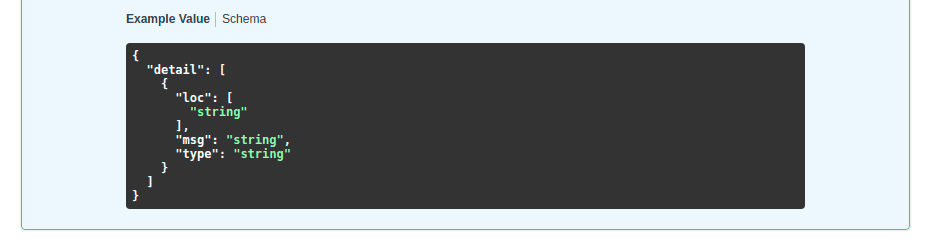
Customizing FastAPI's Swagger UI Behavior
Treat FastAPI's Swagger UI as a configurable frontend, not a static page. You can customize its behavior by passing a dictionary of settings on app startup. This is useful for changing themes or pre-filling auth fields. The footgun: keys must be camelCase.
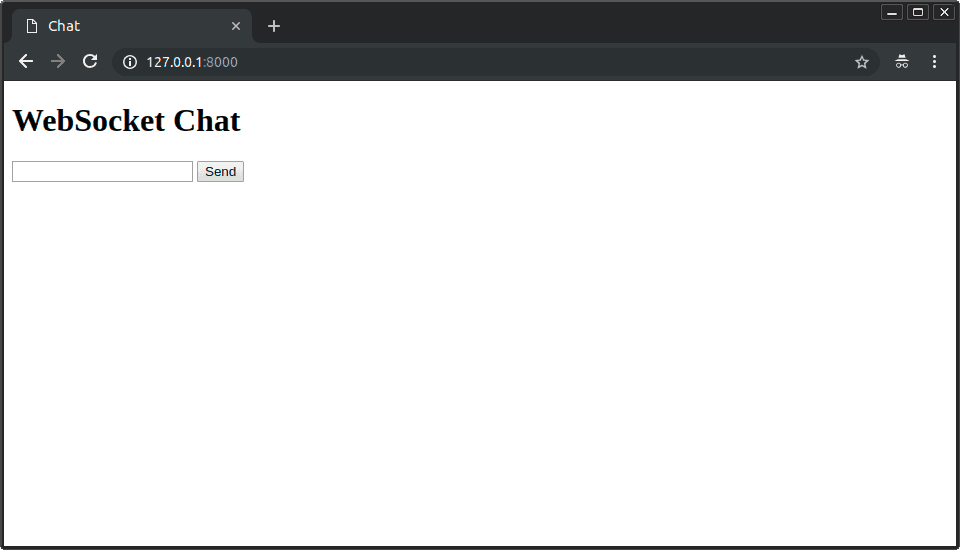
Testing WebSockets in FastAPI
Test a WebSocket conversation by scripting both sides. FastAPI's TestClient provides a websocket_connect context manager to send messages and assert responses sequentially, which is crucial for testing chats or live data feeds.
Mocking with Pytest's monkeypatch
Pytest's monkeypatch is a temporary stunt double for your code, safely swapping out functions or environment variables for a single test. Use it to isolate tests from network calls or filesystem access.
Run One Test with Many Inputs using pytest.parametrize
Run one test function with many inputs using @pytest.mark.parametrize, avoiding repetitive code. It's ideal for checking a function against various inputs, edge cases, and expected failures. The footgun: mutable parameters like lists are passed by reference.
pytest Fixtures: Reusable Test Setups
Pytest fixtures are reusable functions for test setup, like creating sample data. Your tests request them by name as arguments, and pytest automatically runs them and injects the results.
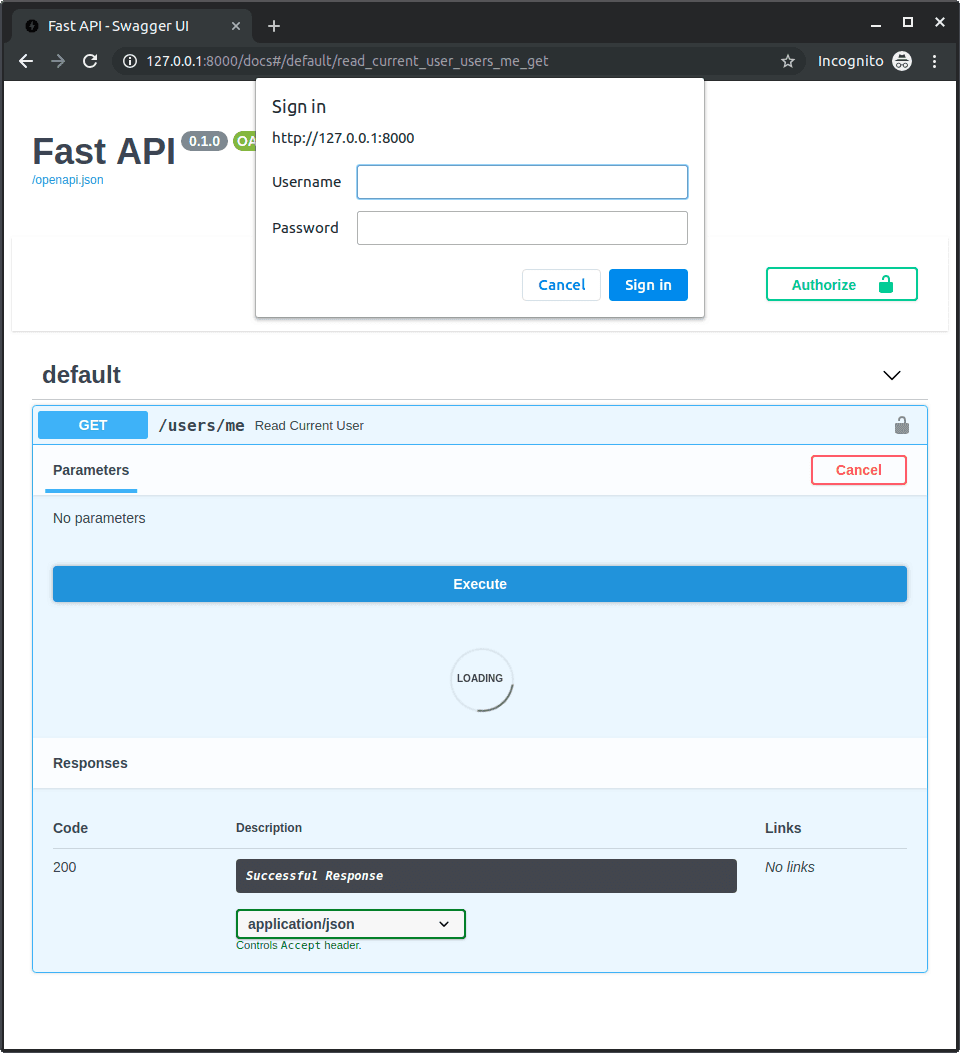
HTTP Basic Auth: Simple but Insecure Access Control
HTTP Basic Auth is a simple gatekeeper for your API, prompting users for a username and password directly in the browser. It's useful for internal tools, but never use it over unencrypted HTTP as credentials are sent in a trivially decodable format.
Alembic: Version Control for Your Database Schema
Alembic is like Git for your database schema, providing versioned, reversible changes. Use it with SQLAlchemy to evolve your database structure alongside your code. The footgun is that autogeneration can miss changes; always review generated scripts.
SQLAlchemy 2.0: Async Without Blocking the Event Loop
SQLAlchemy 2.0 wraps its synchronous core with an async API, letting you await database calls without blocking your app's event loop. Use it in frameworks like FastAPI.
asyncio: Transports Move Bytes, Protocols Decide Which Bytes
asyncio Transports are the "how" (moving bytes), while Protocols are the "what" (deciding which bytes to send). They're the low-level foundation for libraries handling raw socket I/O.

Async Generators: `yield` in an `async` World
Async generators let you write I/O-bound data streams with the elegance of yield. An async def function with yield produces values one at a time, pausing for I/O without blocking. This is ideal for streaming data from a database.
asyncio Queues: Coordinating Asynchronous Tasks
An asyncio queue is a channel for coroutines to safely exchange data. It's ideal for producer-consumer patterns, like a web crawler feeding URLs to parsers. The main footgun: it's not thread-safe and must be used within a single event loop.
Coordinating Asyncio Tasks with Locks and Events
asyncio sync primitives are traffic signals for coroutines, preventing collisions over shared state. Use a Lock for exclusive access or an Event to signal multiple tasks to proceed. Footgun: these are for asyncio tasks only, not OS threads.
The asyncio Event Loop: One Thread, Many Tasks
The asyncio event loop is a manager for a single-threaded process, juggling tasks to prevent idleness during slow I/O. It's the core of apps like FastAPI, handling network requests efficiently. The footgun is interacting with it directly; use asyncio.run().
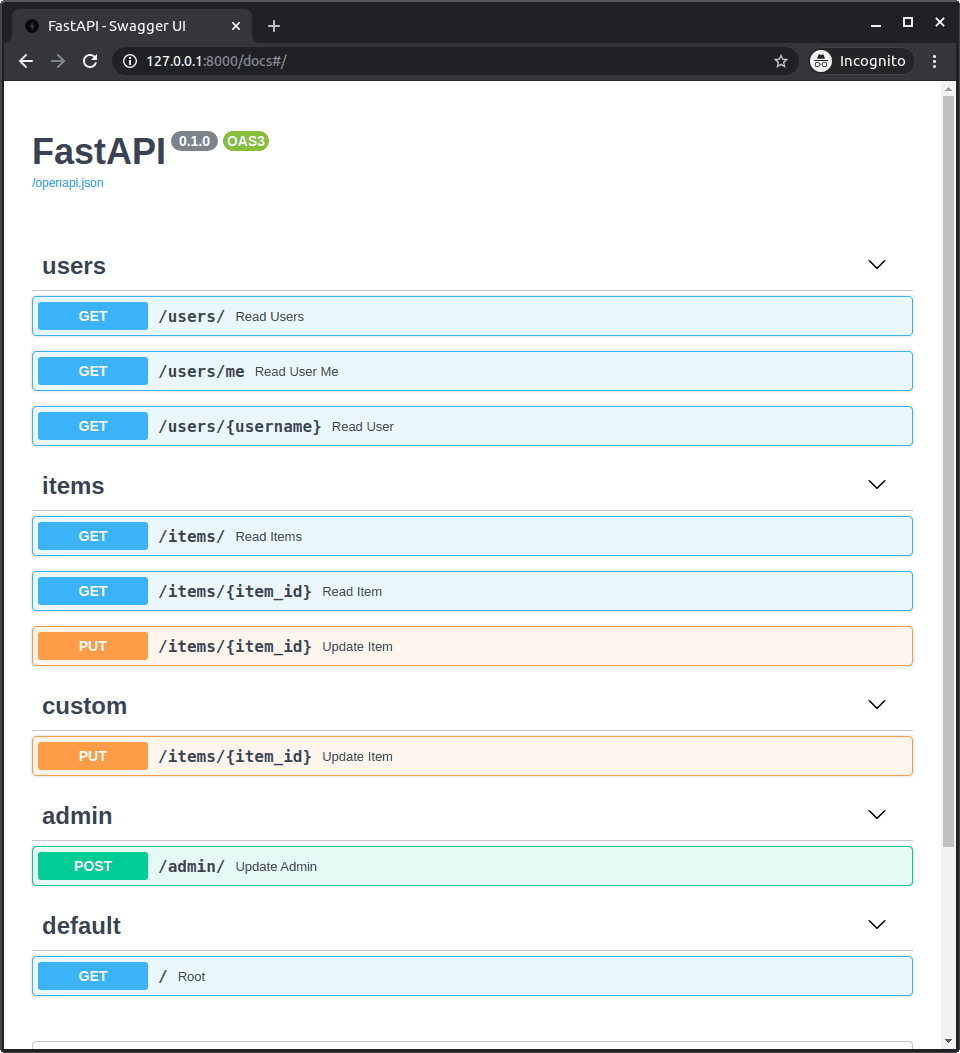
FastAPI: Splitting Your App with `include_router`
app.include_router is like plugging a pre-wired power strip of API endpoints into your main FastAPI app. It lets you organize a large app into smaller files by feature, then combine them. The footgun is forgetting to add a URL prefix for each router.
FastAPI's APIRouter: Grouping Routes into Modules
Think of APIRouter as a mini-FastAPI app for organizing endpoints. It lets you group related paths, like all user routes, into a separate file. This is crucial for keeping large applications maintainable.
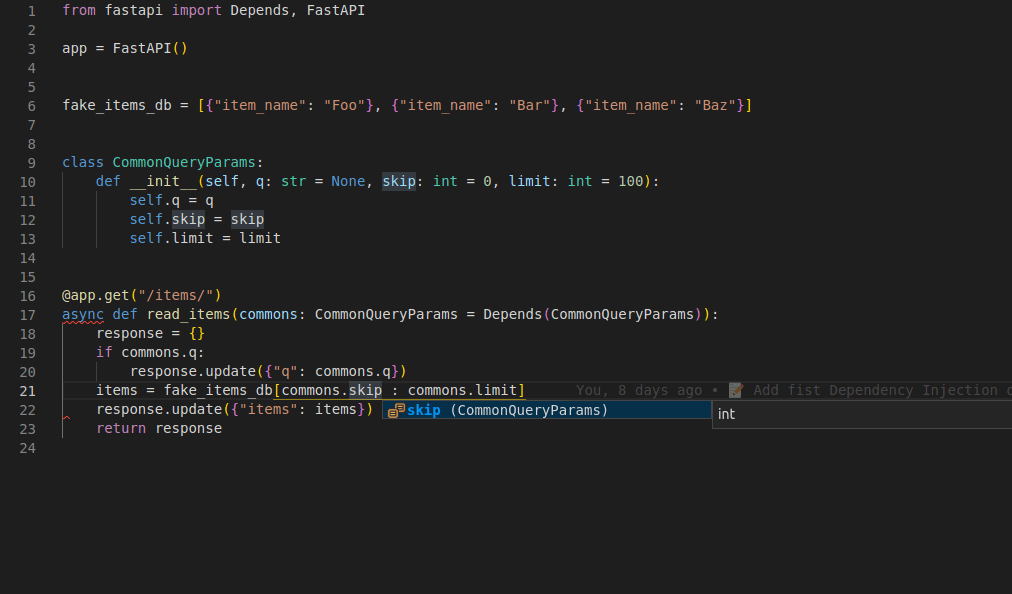
FastAPI: Using Classes as Dependencies
Bundle related request parameters into a class instead of repeating them in every endpoint. FastAPI automatically creates an instance for you, cleaning up your code. This is ideal for shared logic like pagination. The footgun: FastAPI injects into __init__.