Search
Find a bite, explore a topic or look for a role.
Results for “Kubernetes”
Bites 384
Smoke test fails after canary deployment. Design the automated rollback.
Tests self-healing pipeline design: freeze canary traffic, auto-redeploy the last good release, verify rollback health, and keep failed pods for forensics. Red flag: requiring manual approval or in-place fixes instead of an atomic rollout swap.
How would you design a multi-arch build process and anticipate challenges?
Mention buildx or cross-compilation, split native and emulated builds, cache per-arch layers.

Compare ephemeral container agents versus persistent build agents
Ephemeral agents ensure clean state but add cold-start latency; persistent agents speed builds via caching yet risk config drift.
Platform Orchestrator: Infrastructure's Travel Agent
A platform orchestrator is infrastructure's travel agent: describe an app and it provisions compute, databases, and caches across clouds automatically. It shines once teams outgrow per-service Terraform. Adopt it too early and it becomes a bottleneck.
Backstage: The Developer Portal Framework
Backstage is a framework for building a developer portal, not a ready-made dashboard. It centralizes ownership, docs, and tooling when microservice sprawl hides context. The footgun is treating it as a product you deploy without upkeep; the catalog rots.
IAST: Inside-Out Runtime Security Scanning
IAST is an inside-out security scanner: an agent in your running app watches data flow to catch vulnerabilities with few false positives. It runs during functional tests, giving precise line-of-code findings. If your tests skip a route, IAST stays blind to it.
Dynamic Secrets: Temporary On-Demand Credentials
Dynamic secrets are temporary credentials minted on demand, not static passwords living in config files. A CI job requests a 15-minute database lease instead of a long-lived env var.
Vault: Centralized Secrets with Dynamic Leasing
Vault is a secrets firewall: it centralizes credentials and issues short-lived leases instead of static keys. Use it when apps need DB passwords not hardcoded. The footgun is using Vault without audit logs, leaving secrets unmonitored.
Terraform Modules: Reusable Infrastructure Blueprints
A Terraform module is a reusable container for related resources, letting you stamp out infrastructure from one blueprint instead of copying HCL. Teams share VPC patterns or tagging standards with them.
GitLab CI/CD: Pipeline as Code
Your .gitlab-ci.yml file turns your repo into an assembly line. Pushes trigger build and test jobs across runners. One missing rules clause can spawn jobs on every branch and explode compute costs.

Describe essential CI/CD stages for a containerized app and critical quality gates
This tests your ability to design a commit-to-prod pipeline with quality controls. A strong answer covers: build and unit tests, vulnerability scanning, staging deployment with integration tests, and production rollout with rollback.
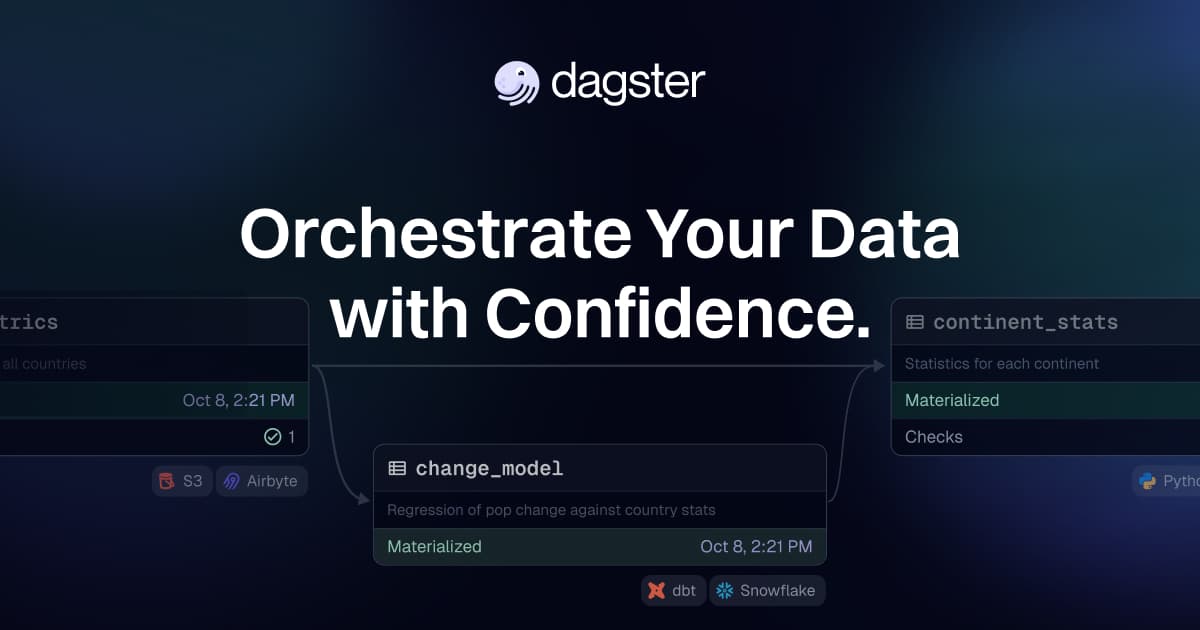
Design a Real-Time Analytics Pipeline for Mobile Events
This tests your grasp of low-latency streaming architectures. A good answer outlines ingestion (SDK to Kafka/Kinesis), real-time processing (Flink/Spark), and sinking to a fast OLAP database (Druid/ClickHouse). A red flag is proposing a batch-based ETL design.

Design an Architecture for Rapid Product Iteration
This tests your grasp of evolutionary architecture for uncertain markets. Outline how to support guided, incremental change across multiple dimensions (tech, data, security) using fitness functions to protect key characteristics.
DHH: Rails & Kamal Came From Solving 'Interesting Problems'
DHH credits 37signals' success for the freedom to solve 'interesting problems,' which led to Ruby on Rails and Kamal. This founder-led R&D model shows how personal motivation can create strategic tools, bypassing committee-driven roadmaps for high-leverage…
Decomposing a monolith for scaled agile teams
Tests your grasp of domain-driven design and data consistency in a microservice migration. A good answer identifies bounded contexts, defines versioned APIs, and uses event-based patterns for data.
Describe the stages of a CI/CD pipeline for a containerized app
This tests your practical knowledge of automated software delivery and risk management. A strong answer outlines CI, build, test, and deploy stages, including container-specific steps like image scanning and quality gates like automated testing and…
Your First Python Dockerfile Blueprint
A Dockerfile is a recipe for building a self-contained environment for your Python app. Use it to ensure your app runs identically everywhere, from your laptop to production. The common footgun is forgetting a .dockerignore file, which bloats your image.
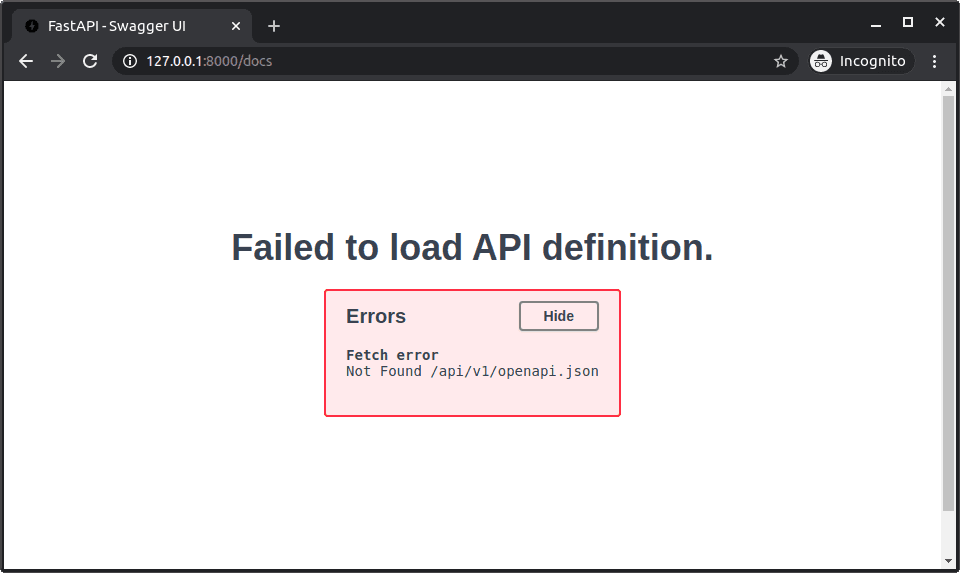
FastAPI Behind a Reverse Proxy: Fixing Docs URLs
A reverse proxy can hide the full URL from your FastAPI app, breaking OpenAPI docs. Tell your app about the proxy's path prefix by setting the root_path during initialization to ensure all generated URLs are correct.
Pydantic BaseSettings: Typed, Layered Configuration
Pydantic's BaseSettings treats configuration as typed data, not just strings. It automatically loads and validates settings from environment variables, .env files, and secrets stores into a Python object.
Production Secret Management: Inject, Don't Store
Treat secrets like temporary credentials, injected at runtime, not stored with your code. This applies to database passwords and API keys in production. The biggest footgun is using .env files; they are a dev convenience, not a security model.