Search
Find a bite, explore a topic or look for a role.
Results for “PostgreSQL”
Bites 111
FastAPI: Managing Environment-Specific Settings
Treat app configuration like a contract, not hardcoded values. Pydantic Settings defines required variables (like API keys) and loads them from the environment, preventing you from shipping dev settings to production.
Docker Compose for Multi-Container Apps
Docker Compose is a conductor for your containers. Instead of running each service manually, you define your app and its database in one YAML file and launch them together. This is standard for local Node.js/Postgres development.
Elasticsearch: The Search Engine in the ELK Stack
Elasticsearch is a distributed search engine for querying massive, schema-free JSON datasets via an HTTP API. It's the core of log analysis platforms like the ELK stack, enabling fast search over terabytes of logs.
Grafana: Your Single Pane of Glass for Observability
Grafana is the universal dashboard for your system's health, visualizing metrics, logs, and traces from different sources in one place. Use it to monitor application performance and infrastructure health.
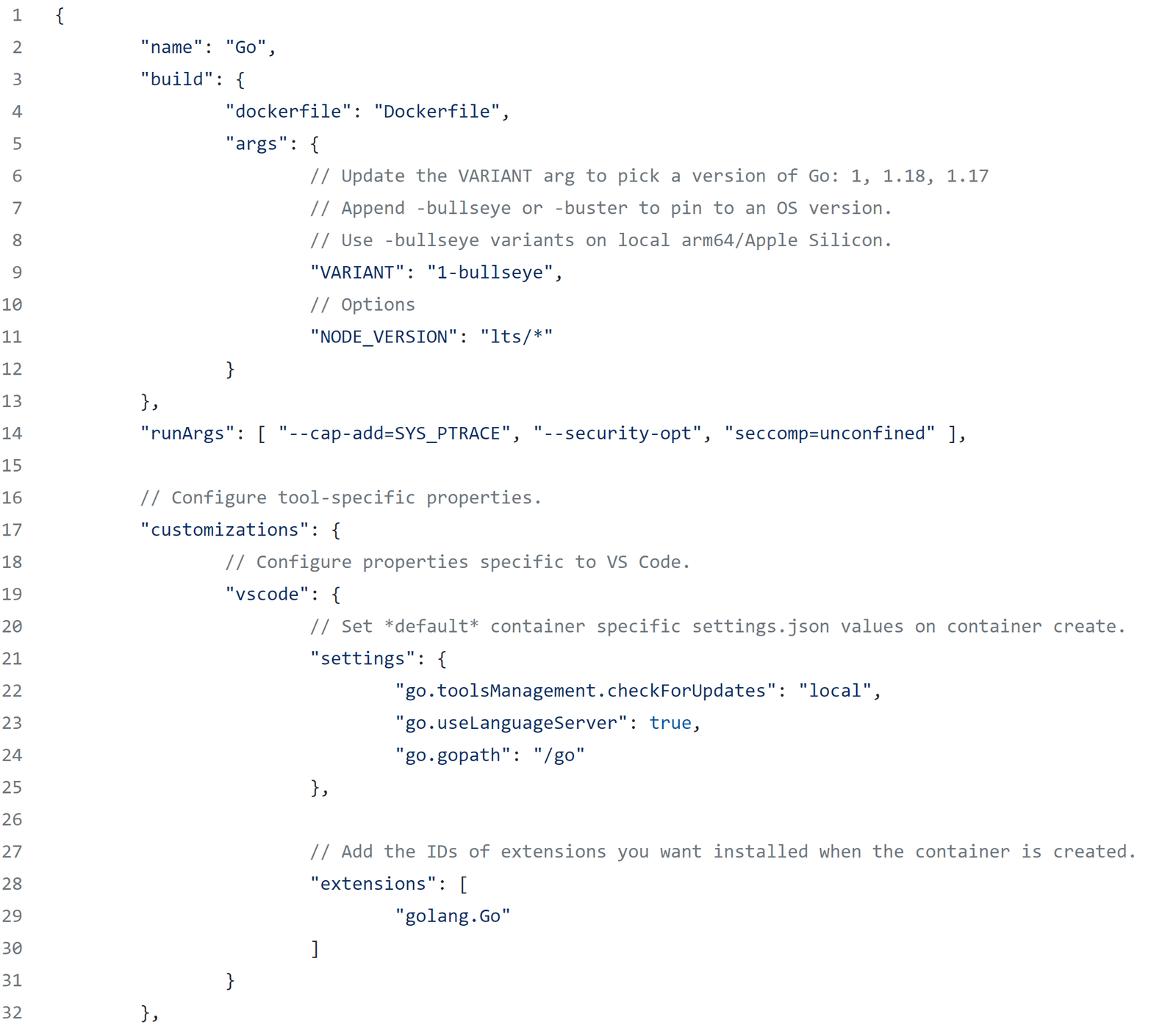
Dev Containers: Your Dev Environment as Code
A dev container packages your entire development environment—tools, libraries, and settings—into a single, portable container. Use it to standardize team environments, simplify onboarding, and ensure consistency between local dev and CI.
SQLite: A Database in a Single File
SQLite is a self-contained SQL database engine that lives in a single file. It's ideal for mobile apps needing fast, reliable local data storage without a server. The footgun is using it for high-concurrency write scenarios, where it becomes a bottleneck.
Isar: A Modern NoSQL Database for Flutter Apps
Isar is a fast, local NoSQL database for Flutter, offering static typing and ACID guarantees. Use it for on-device persistence in iOS, Android, and desktop apps. Don't mistake it for a remote database; Isar is for local storage, not cloud sync.
Kubebuilder: Build Kubernetes APIs the Canonical Way
Kubebuilder is a framework for scaffolding custom Kubernetes APIs, letting you define your own resources like MyWebApp. Use it to extend Kubernetes with declarative APIs, making your app a first-class citizen.
Argo CD Sync Phases and Waves: Ordering Your Deployments
Argo CD Sync Phases and Waves are a recipe for ordering deployments. Use them for complex apps where a database migration must run pre-sync. The footgun: a single failed resource in a wave halts the entire sync process, making it brittle if overused.
Helm Subcharts: Composing Applications from Dependencies
Helm subcharts are nested components a parent chart can configure, like a docker-compose for Kubernetes manifests. Use them to bundle dependencies like a database with your app. The footgun: subcharts are sandboxed and cannot access parent values directly.
Helm: The Package Manager for Kubernetes
Helm is like apt or Homebrew for Kubernetes. It bundles all your app's YAML files into a single manageable package called a Chart, solving "YAML sprawl." Use it to install complex apps with one command or to package your own for repeatable deployments.

Prometheus Exporters: Translating Metrics for Monitoring
A Prometheus Exporter is a translator, converting metrics from third-party systems like databases or hardware into the format Prometheus can scrape. Use one when you can't modify an app's code directly.

Kubernetes Volume Snapshots: A Save Point for Data
A Volume Snapshot is a point-in-time copy of your persistent data in Kubernetes, like a game save. Use it to back up a database before an upgrade or clone a prod environment. The footgun: it's not a true backup; a storage failure can lose both.
Dynamic Volume Provisioning: Storage on Demand
Dynamic Volume Provisioning lets you request storage by its type (e.g., "fast-ssd") instead of pre-provisioning a disk. Kubernetes automatically creates a matching volume. This is standard for stateful apps.
PersistentVolumeClaim: How Pods Request Storage
A PersistentVolumeClaim (PVC) is a request for storage, like a claim check for a storage locker. Pods use it to mount durable storage for databases or file uploads. The footgun: a PVC is just a request; a matching PersistentVolume must exist to fulfill it.
Docker Volumes: Persistent Data for Ephemeral Containers
Think of a Docker Volume as an external hard drive for your container. It persists data even after a container is removed, perfect for databases or user uploads. The footgun is confusing volumes with bind mounts, which are less portable.

Phantom Reads: When New Rows Appear Mid-Transaction
A phantom read occurs when a transaction repeats a query and finds new rows that match its search criteria, inserted by another committed transaction. It's common in reporting jobs that need a stable set of data.
Vectorized Query Execution: Processing Batches, Not Rows
Vectorized execution processes data in batches of thousands of rows, not one at a time. This lets analytical databases like ClickHouse and Snowflake scan billions of rows in seconds by keeping data in CPU cache and using SIMD instructions.

Buffer Manager: The Database's Memory Gatekeeper
The buffer manager acts as a database's private RAM cache, deciding which data pages to keep in memory versus fetching from slow disk. It's central to query performance, as it tries to serve all data requests from this fast cache.

CockroachDB: A SQL Database That Survives Disasters
CockroachDB is a distributed SQL database designed to be unkillable. Use it for global apps needing strong consistency and high availability, like financial ledgers or identity systems. The footgun: ignoring network latency between nodes can kill performance.