Concepts in Backend Dev

Python Type Hints: Documentation Your Linter Can Read
Type hints describe expected values, but Python itself does not enforce them while running. Static checkers and IDEs use the annotations before execution; libraries such as FastAPI can also inspect them for validation and API documentation.
V8: The Engine Powering Chrome and Node.js
V8 is the engine that runs your JavaScript, translating it into machine code. It powers both the Chrome browser and the Node.js server-side runtime. The common footgun is confusing the engine (V8) with the runtime environment that provides it with APIs.
Go's Design Philosophy: Engineering Over Novelty
Go's design philosophy is engineering over novelty, built to solve Google's problems with slow builds and complexity in massive codebases. It excels at large, networked systems where maintainability and fast compilation are critical.
DBMS: The Software That Runs Your Database
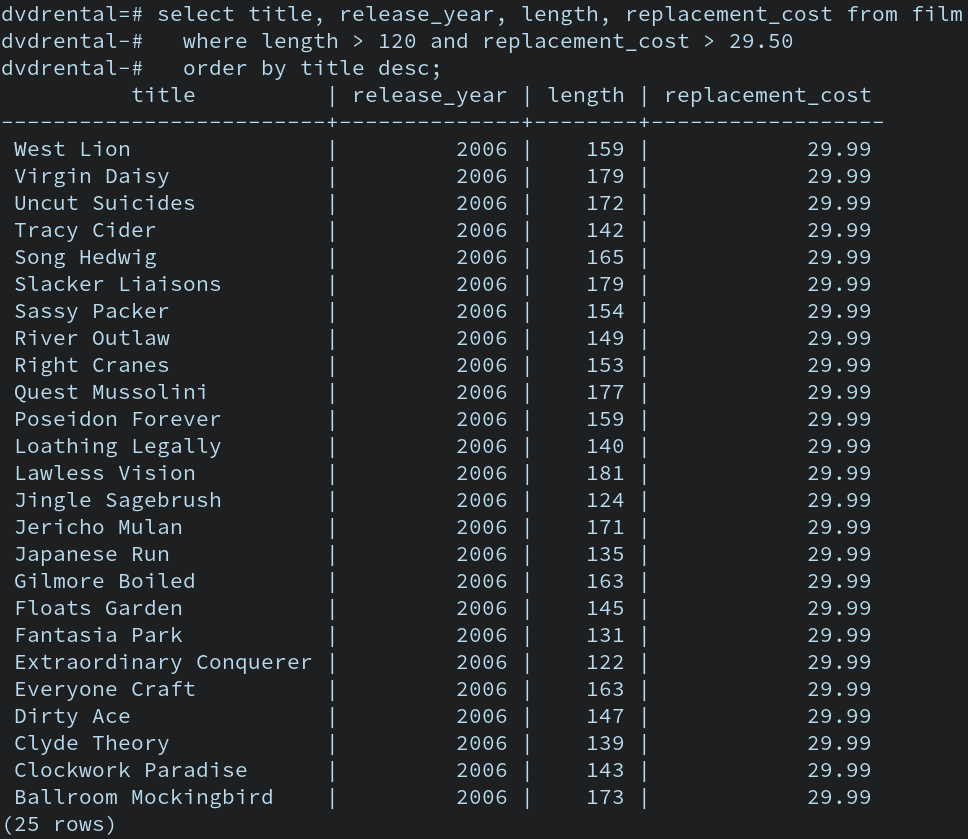
A DBMS is the software engine that manages a database, separating your app from raw data files. You use it to query, update, and administer data, like with PostgreSQL or MySQL. The common footgun is confusing the DBMS with the database itself.

DDL: The Blueprint for Database Objects
DDL is the blueprint for your database. You reach for it when spinning up new tables, indexes, or user permissions, not when querying rows. The footgun is running DROP thinking you are deleting data, not vaporizing the entire table structure.
Python Data Classes: Write Less Boilerplate
Python's @dataclass decorator writes boilerplate code like __init__ and __repr__ for you, turning a class with type hints into a data container. Use it for API payloads or simple records.
Node.js Events and the EventEmitter
Node.js handles concurrency with an event-driven model, not threads. "Emitters" fire named events that "listeners" react to, enabling non-blocking I/O for things like file reads and web requests.
Rust's Philosophy: Documentation and Community First
Rust's philosophy is deeply tied to its learning resources and community, ensuring developers are well-supported. This is evident in its official book, which is bundled with the language installation itself.
DML: Insert, Update, and Delete
DML is the change-focused subset of database languages like SQL that adds, modifies, and removes data. It appears in every write to a table. The footgun is assuming SELECT belongs in DML; read-only querying is sometimes split out as DQL instead.
Python Packages: Grouping Modules with __init__.py
A Python package is a folder of modules treated as one unit. The __init__.py file marks the folder as a package and can run setup code. Use it to organize large codebases.
Goroutines
A goroutine is a lightweight function managed by Go's own runtime scheduler rather than the operating system, letting a single program run hundreds of thousands of concurrent tasks cheaply instead of the handful an OS thread model allows.
Python Enums: Give Names to Magic Numbers
Python's Enum gives meaningful names to "magic numbers" or strings. Use it for fixed sets of options like statuses or categories to make code self-documenting. The footgun: don't compare members to raw values; compare member to member for type safety.
The Node.js Event Loop: Concurrency on a Single Thread
The Node.js event loop lets a single thread handle high concurrency by offloading I/O. It's ideal for web servers and APIs, but the footgun is that any long-running synchronous code will block the entire application, freezing all other requests.
Go Interfaces: Describe Behavior, Not Data
Go interfaces define behavior, not data. A type satisfies an interface implicitly by implementing its methods, without an implements keyword. This enables writing flexible functions, like io.Writer handling files or HTTP responses.
Primary Keys: The Unique ID for Every Row
A primary key is like a social security number for a database row, uniquely identifying it. It's used to reliably fetch records and link related data across tables. The footgun is using a natural key, like an email address, that might change over time.
Python Decorators: Functions that Wrap Functions
A decorator is a function that wraps another function, adding behavior without modifying the original code. They're used for caching, logging, or access control. The main footgun is forgetting that decorators run at definition time, not call time.
Event Loop vs Crypto Module
Node's crypto module offers both synchronous and asynchronous versions of CPU heavy operations like password hashing; the sync versions block the single threaded event loop, while async versions offload the work to a background thread pool.
The Relational Model: Data as Simple Tables
The relational model organizes data into simple tables (relations) of rows (tuples), forming the foundation of SQL databases. It's used for structured data where consistency is critical, like in banking.
Python's `yield`: Functions That Pause and Resume
Python's yield creates a generator: a pausable function that produces values on-demand, saving memory. Use it for large files or infinite sequences. The footgun: a generator is a one-time-use iterator; you can't loop over it twice.
JavaScript's Event Loop: Macrotasks & Microtasks
The JavaScript event loop processes tasks like setTimeout callbacks or user clicks from a macrotask queue. A single, long-running macrotask blocks all rendering and user input, freezing the UI. The footgun is assuming setTimeout(fn, 0) runs instantly.
We are hiring for this. Every open role lists the topics its interview covers, so you can prepare for the real thing rather than guessing.
See open roles