Intermediate concepts in Backend Dev, page 12

PM2 Cluster Mode: Scale Node.js Across All Cores
PM2's cluster mode lets your Node.js app run on every CPU core, multiplying its capacity. It's essential for scaling networked apps on a single machine, but requires a stateless design—storing sessions in memory will break things as requests hit different…
Per-Field Validation with @field_validator
@field_validator scrubs a single Pydantic field before it enters the model. Use it for rules like 'password must contain a digit' or 'port must exceed 1024'. It only sees one field at a time, so cross-field checks belong in a model validator instead.
Stream-Table Duality: Two Views of One Dataset
A table is a snapshot; a stream is the changelog that built it. The same data can be viewed either way: tables answer what is true now, while streams capture every change that led there. Treating them as separate systems is the expensive footgun.
Optimize Node.js Images with Multi-Stage Builds
Multi-stage builds separate your build environment from your final runtime. This lets you use heavy tools to build your Node.js app, then ship only the lean production code, drastically reducing image size and attack surface.
Rust: Bridging C Strings with CStr and CString
CString and CStr are Rust's safe wrappers for C's nul-terminated strings. CString builds a C-compatible string to pass *out* of Rust; CStr interprets one coming *in*. Use them for any FFI calls.
Custom Field Serialization with @field_serializer
@field_serializer is an exit-only adapter for one field: it reshapes data leaving the Pydantic model without changing internals. Use it to format decimals, mask secrets, or tweak datetimes for FastAPI JSON. Never use it for validation; it only runs on output.
Backpressure: Slow the Producer or Crash
Backpressure is a feedback signal telling upstream to slow down when downstream cannot keep up. You see it in stream processors like Flink or Kafka where a slow consumer risks memory exhaustion. Ignore it and queues grow until the service crashes.
Environment-Specific Config: Beyond Hardcoded Values
Think of config as layered transparencies: a base file sets defaults, and environment-specific files (like production.json) override them. This keeps database hosts and feature flags tidy across dev, staging, and prod.
Docker Compose for Local FastAPI Stacks
Docker Compose turns your laptop into a one-command datacenter. Define Postgres, Redis, and your FastAPI app in one YAML file and they boot as a networked stack.
Relevance Ranking: Sorting Results by Likely Usefulness
Relevance ranking orders results by how well they satisfy query intent, not just keyword overlap. It powers ecommerce, documentation, and log search. The footgun is chasing click-through over task completion, which surfaces popular but wrong answers.

Health Check Endpoints: Reporting App Status
A health check is a dedicated endpoint that tells an orchestrator if your app is alive and ready for traffic. Systems like Kubernetes use it to decide whether to send traffic (readiness) or restart a container (liveness).
Rust: Expose Functions to C with `#[no_mangle]`
The #[no_mangle] attribute tells the Rust compiler not to alter a function's name, exposing a stable symbol for C code to call. Use it with extern "C" to create Rust libraries for other languages. The footgun is forgetting extern "C", causing crashes.
FFI Error Handling: Translation and Unwinding
FFI error handling is a translation layer: foreign errors must become Rust Results before safe code sees them, or you risk UB. You do this in -sys wrappers around C libraries. The footgun: foreign exceptions unwinding across boundary without -unwind ABI is UB.

The C Application Binary Interface
An ABI is the contract a library exposes for in-process machine code access. You see this whenever a compiled program calls into a compiled library at the binary level.
Non-Blocking I/O: Don't Block the Event Loop
Non-blocking I/O lets your program do other work while waiting for slow operations like network requests. It's the core of Node.js, allowing a single thread to serve many users.

package-lock.json: Your Dependency Blueprint
package-lock.json is a blueprint for your node_modules, ensuring everyone on your team installs the exact same dependency versions. It's auto-generated by npm to prevent 'works on my machine' bugs. The footgun is ignoring it or manually editing it.
Never Trust Client Input: API Validation
Think of API validation as a bouncer for your server, checking every incoming request's ID before it can access your application logic. Use it in any Express route that accepts user input to prevent bad data from hitting your database or causing errors.

Cookie-Based Sessions: Server-Side State, Client-Side ID
Think of a session cookie as a coat check ticket, not the coat itself. The server stores your data and gives you a unique ID to carry in a cookie. This is how Express.js tracks user state across requests.
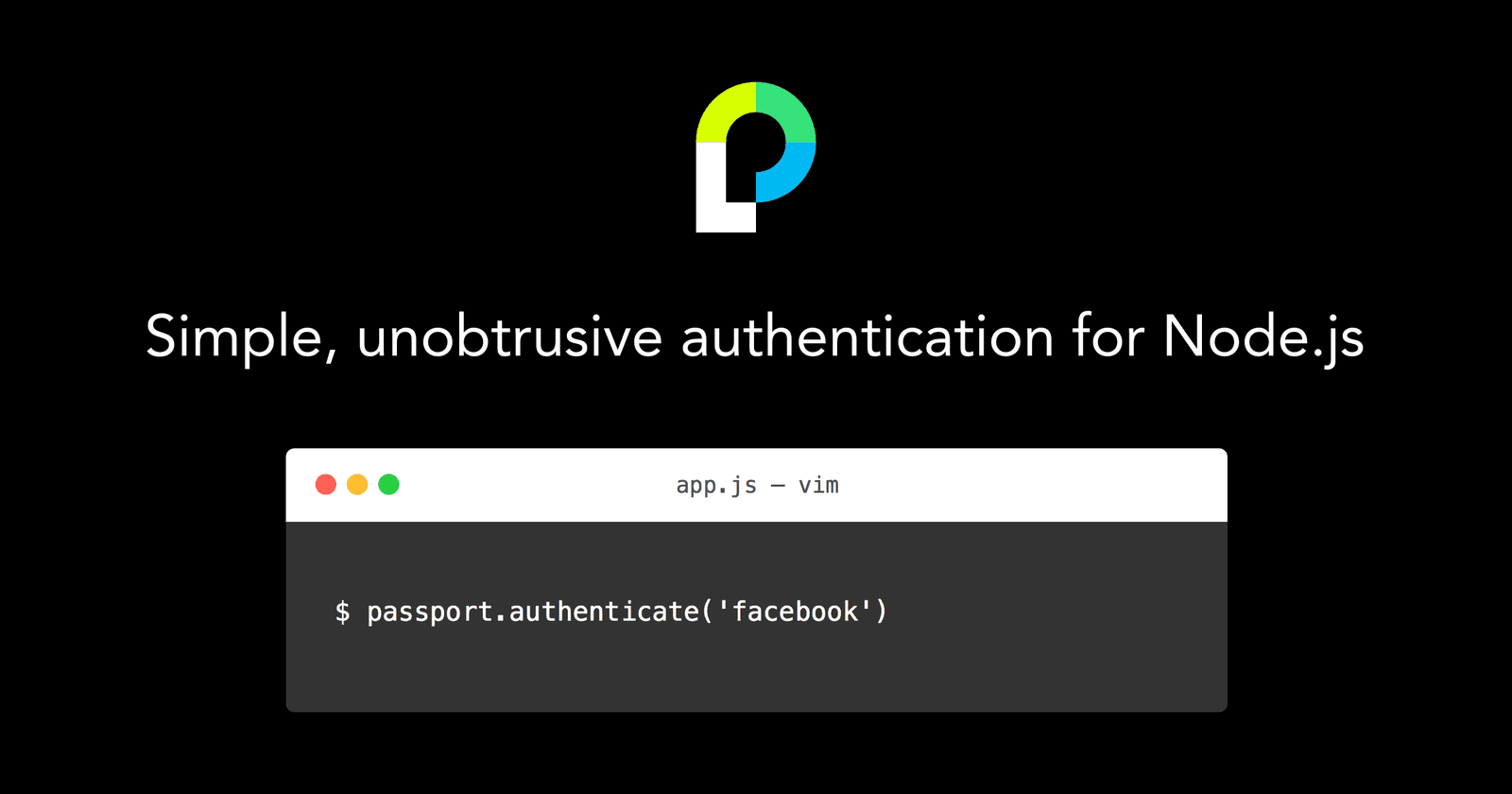
Passport.js: The Gatekeeper for Your Routes
Passport.js is a gatekeeper for your Node.js routes, authenticating requests before your application logic runs. It uses pluggable "strategies" for different login types, like local passwords or Google OAuth. The footgun is misconfiguring failure handling.
JWTs for Stateless API Authentication
JWTs enable stateless authentication: your server verifies users via a self-contained, signed token instead of a session store. This is ideal for distributed APIs. The biggest footgun is storing refresh tokens in localStorage; use HttpOnly cookies instead.
We are hiring for this. Every open role lists the topics its interview covers, so you can prepare for the real thing rather than guessing.
See open roles