Intermediate concepts in Backend Dev, page 5
Query Rewriting: Your Database's Unseen Optimizer
A database's query rewriter is like a smart GPS, finding a faster route (execution plan) to the same destination (your query result). It happens automatically to speed up joins and filters. The footgun: your handwritten query isn't what actually runs.
Pydantic BaseSettings: Typed, Layered Configuration
Pydantic's BaseSettings treats configuration as typed data, not just strings. It automatically loads and validates settings from environment variables, .env files, and secrets stores into a Python object.
FastAPI: Managing Environment-Specific Settings
Treat app configuration like a contract, not hardcoded values. Pydantic Settings defines required variables (like API keys) and loads them from the environment, preventing you from shipping dev settings to production.

CORS Middleware: Unlocking Cross-Origin Requests in Express
The cors middleware tells browsers which external websites can read your Express API's responses. Use it when a frontend on one domain needs to fetch data from your API on another.
Go Error Wrapping: Preserving Context, Not Just Text
Go's error wrapping adds context without losing the original error's type. Use fmt.Errorf with %w to create a chain of errors, then inspect it with errors.Is or errors.As. The footgun is using %v, which just formats the error as a string.
Helmet.js: Secure Express Apps with HTTP Headers
Helmet.js adds a security layer to Express apps by setting crucial HTTP headers. Use it in any public-facing Node app to prevent common attacks like XSS. The footgun: its default Content-Security-Policy is strict and requires app-specific configuration.

Morgan: One-Line Request Logging for Express
Morgan is a plug-and-play stenographer for your Express app, automatically logging every incoming HTTP request. Use its predefined formats for quick debugging or create custom formats for production access logs.
Rust's Question Mark Operator (?): Propagate Errors, Not Boilerplate
The ? operator cleans up Rust error handling by propagating Err values. Instead of a verbose match block, you append ? to a Result or Option, and it automatically returns the error if present, letting you focus on the happy path.
Eventual Consistency: Availability Now, Correctness Later
Eventual consistency prioritizes availability by letting replicas temporarily disagree. If updates stop, all nodes will eventually converge on the same value.

cookie-parser: From Header String to Usable Object
The cookie-parser middleware translates the raw Cookie header string into a usable req.cookies object. It's used in Express apps to read session IDs or user preferences.
Result: Handling Recoverable Errors in Rust
Rust handles recoverable errors with the Result<T, E> enum, forcing you to deal with both success (Ok) and failure (Err) paths. This shows up when a function like File::open might fail.
Wide-Column Store: Flexible Schema for Massive Datasets
A wide-column store is like a spreadsheet where each row can have its own unique columns. It's ideal for sparse data like user profiles or IoT readings. The footgun is thinking it's just a relational table with many columns—the flexibility is the point.
Graph Databases: When Relationships Are the Data
A graph database treats connections between data as first-class citizens. It's ideal for social networks or fraud detection where you query relationships by traversing links. The footgun is using it for simple tabular data where a relational DB is faster.
Database Sharding: Splitting Data for Scale
Sharding splits a database across multiple servers, like dividing a phone book into A-M and N-Z volumes. It's used when a single server can't handle the data size or write load. The footgun is that querying across shards is complex and slow.
Coordinating Asyncio Tasks with Locks and Events
asyncio sync primitives are traffic signals for coroutines, preventing collisions over shared state. Use a Lock for exclusive access or an Event to signal multiple tasks to proceed. Footgun: these are for asyncio tasks only, not OS threads.
Time Series Database: A Logbook, Not a Filing Cabinet
A Time Series Database (TSDB) is a specialized logbook for data that happens over time, like server metrics or sensor readings. It's built for high-speed writes and fast range queries. The footgun: don't use it for relational data like user profiles.
asyncio Queues: Coordinating Asynchronous Tasks
An asyncio queue is a channel for coroutines to safely exchange data. It's ideal for producer-consumer patterns, like a web crawler feeding URLs to parsers. The main footgun: it's not thread-safe and must be used within a single event loop.
Python's Asyncio Subprocesses: Non-Blocking Shell Commands
Run external commands without blocking your async app's event loop. asyncio.create_subprocess_shell lets you launch processes and await their results, keeping your server responsive.
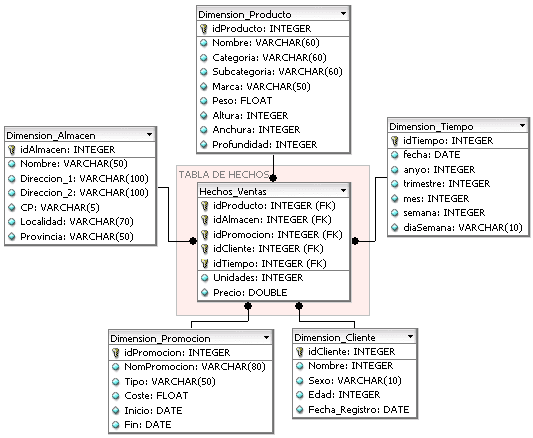
Fact Table: The Numbers in Your Data Warehouse
A fact table is the ledger of business events, recording what happened and how much. It's the core of a data warehouse, holding sales figures or page views. The footgun is storing descriptive text here; that belongs in linked dimension tables.

Mongoose: Schemas are Blueprints, Models are Factories
A Mongoose Schema is the blueprint for your data, defining its shape and types. A Model is the factory that uses this blueprint to create, query, and save documents in MongoDB. The common footgun is trying to query the blueprint instead of the factory.
We are hiring for this. Every open role lists the topics its interview covers, so you can prepare for the real thing rather than guessing.
See open roles