Concepts in Backend Dev, page 11

Express Middleware: Intercepting Requests Before Your Route Handler
Express middleware is like a bouncer for your routes, running code before your main handler. Use it for logging, authentication, or parsing request bodies. The biggest footgun is forgetting to call next() or send a response, which leaves requests hanging.
Go's `error` Interface: Errors Are Values
In Go, an error is any value that can describe its own failure string. Functions like os.Open return an error to signal problems. The footgun is only checking for nil and ignoring the rich, structured data a custom error type can provide.
Query Rewriting: Your Database's Unseen Optimizer
A database's query rewriter is like a smart GPS, finding a faster route (execution plan) to the same destination (your query result). It happens automatically to speed up joins and filters. The footgun: your handwritten query isn't what actually runs.
Pydantic BaseSettings: Typed, Layered Configuration
Pydantic's BaseSettings treats configuration as typed data, not just strings. It automatically loads and validates settings from environment variables, .env files, and secrets stores into a Python object.
Rust's Option<T>: Handling Absence Safely
Rust's Option<T> is a type-safe box that holds either a value (Some(T)) or nothing (None), eliminating null pointer errors. Use it for function returns that might fail or for optional struct fields. The footgun is .unwrap(), which panics on None.
Handling Errors with Rust's Result Enum
Rust's Result enum makes error handling explicit. Instead of returning a value that might be an error code, functions return either Ok(value) or Err(error). It's used for recoverable failures like I/O.
NoSQL: Databases Beyond Rigid Tables
NoSQL databases trade rigid tables for flexible models like documents or key-value pairs. This allows them to scale for massive, unstructured datasets from social media or IoT.
FastAPI: Managing Environment-Specific Settings
Treat app configuration like a contract, not hardcoded values. Pydantic Settings defines required variables (like API keys) and loads them from the environment, preventing you from shipping dev settings to production.

CORS Middleware: Unlocking Cross-Origin Requests in Express
The cors middleware tells browsers which external websites can read your Express API's responses. Use it when a frontend on one domain needs to fetch data from your API on another.
Go Error Wrapping: Preserving Context, Not Just Text
Go's error wrapping adds context without losing the original error's type. Use fmt.Errorf with %w to create a chain of errors, then inspect it with errors.Is or errors.As. The footgun is using %v, which just formats the error as a string.

Key-Value Store: The Simplest Database Model
A key-value store is a giant dictionary. You give it a unique key, like "user:123", and it returns the associated data. It's the foundation for caching and session management. The footgun is trying to query by value—it's built for key lookups only.
Helmet.js: Secure Express Apps with HTTP Headers
Helmet.js adds a security layer to Express apps by setting crucial HTTP headers. Use it in any public-facing Node app to prevent common attacks like XSS. The footgun: its default Content-Security-Policy is strict and requires app-specific configuration.
Document Databases: Store Data as Flexible Objects
A document database stores data as self-contained objects, like JSON, instead of rows and columns. It's ideal for user profiles or product catalogs where each item might have different attributes. The footgun is treating it as a schema-less free-for-all.
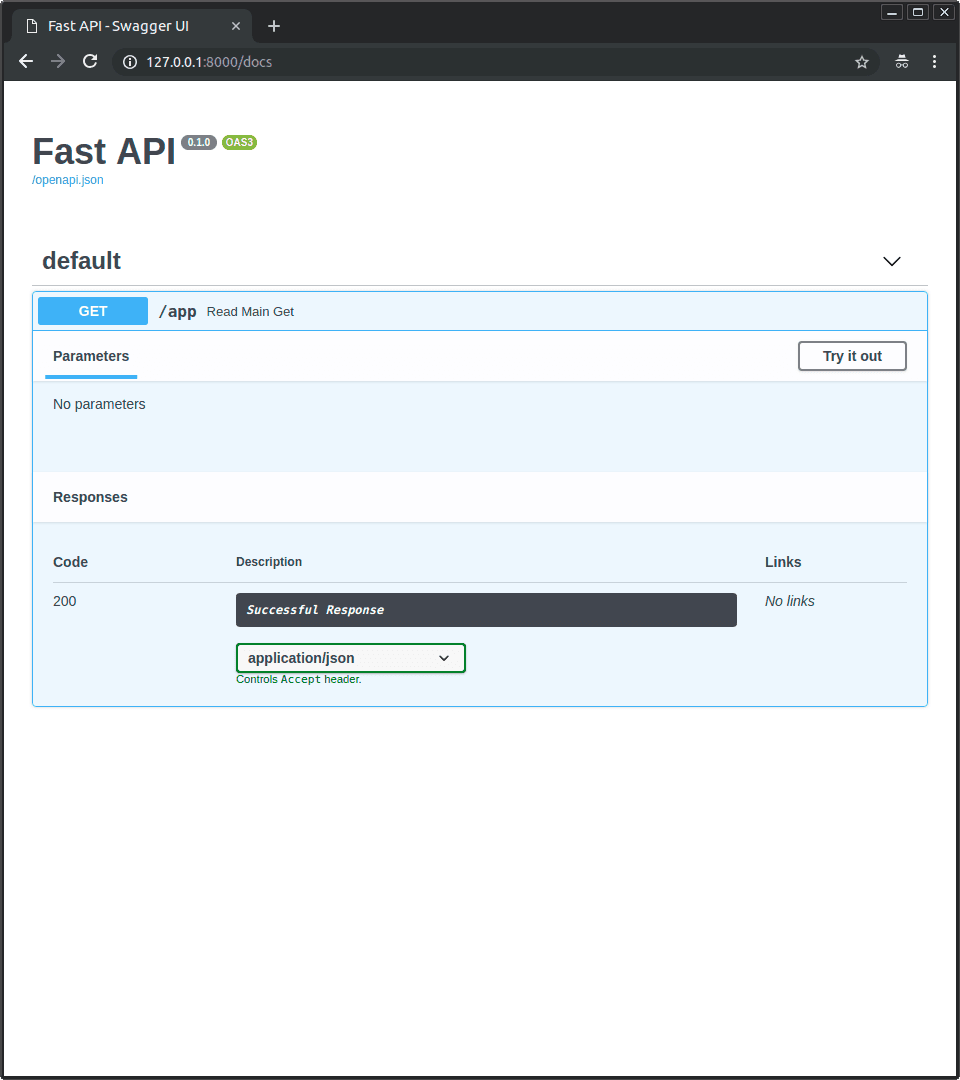
FastAPI: Mounting Independent Sub-Applications
Mounting delegates a URL prefix to a separate FastAPI app, giving it its own isolated logic and API docs. Use it to combine microservices or isolate domains. The footgun: the main app's dependencies and middleware do not apply to the sub-app.

Morgan: One-Line Request Logging for Express
Morgan is a plug-and-play stenographer for your Express app, automatically logging every incoming HTTP request. Use its predefined formats for quick debugging or create custom formats for production access logs.
Rust's Question Mark Operator (?): Propagate Errors, Not Boilerplate
The ? operator cleans up Rust error handling by propagating Err values. Instead of a verbose match block, you append ? to a Result or Option, and it automatically returns the error if present, letting you focus on the happy path.
Eventual Consistency: Availability Now, Correctness Later
Eventual consistency prioritizes availability by letting replicas temporarily disagree. If updates stop, all nodes will eventually converge on the same value.
The asyncio Event Loop: One Thread, Many Tasks
The asyncio event loop is a manager for a single-threaded process, juggling tasks to prevent idleness during slow I/O. It's the core of apps like FastAPI, handling network requests efficiently. The footgun is interacting with it directly; use asyncio.run().

cookie-parser: From Header String to Usable Object
The cookie-parser middleware translates the raw Cookie header string into a usable req.cookies object. It's used in Express apps to read session IDs or user preferences.
Result: Handling Recoverable Errors in Rust
Rust handles recoverable errors with the Result<T, E> enum, forcing you to deal with both success (Ok) and failure (Err) paths. This shows up when a function like File::open might fail.
We are hiring for this. Every open role lists the topics its interview covers, so you can prepare for the real thing rather than guessing.
See open roles