Concepts in Backend Dev, page 14

Motor: Don't Block Your Python App on MongoDB
Motor is the async bridge for Python apps to talk to MongoDB without blocking. Use it in FastAPI or other async frameworks to keep your server responsive during database queries.
Quorum: How Distributed Systems Agree Without Unanimity
A quorum is a majority vote for distributed systems, letting them operate without waiting for every node. It's used in databases and consensus algorithms to ensure consistent writes. The footgun is setting the quorum too low, risking conflicting decisions.
Node.js Built-in SQLite Driver
Node.js bundles a SQLite driver in node:sqlite. Open a file with new DatabaseSync(path), then run SQL with exec() or prepared statements. Use it for local tools and caches. DatabaseSync is synchronous, so running it on a web server main thread blocks requests.
Beanie: Python Objects as MongoDB Documents
Beanie maps Pydantic models to MongoDB documents, letting you interact with the database using Python objects instead of raw queries. Use it in async apps like FastAPI for rapid, type-safe CRUD.
Rust Associated Types: One Trait, One Concrete Type
Associated types link a placeholder type to a trait, ensuring any implementation provides one specific type. This cleans up code, like in Rust's Iterator trait. The footgun: a type can only implement a trait with an associated type once.
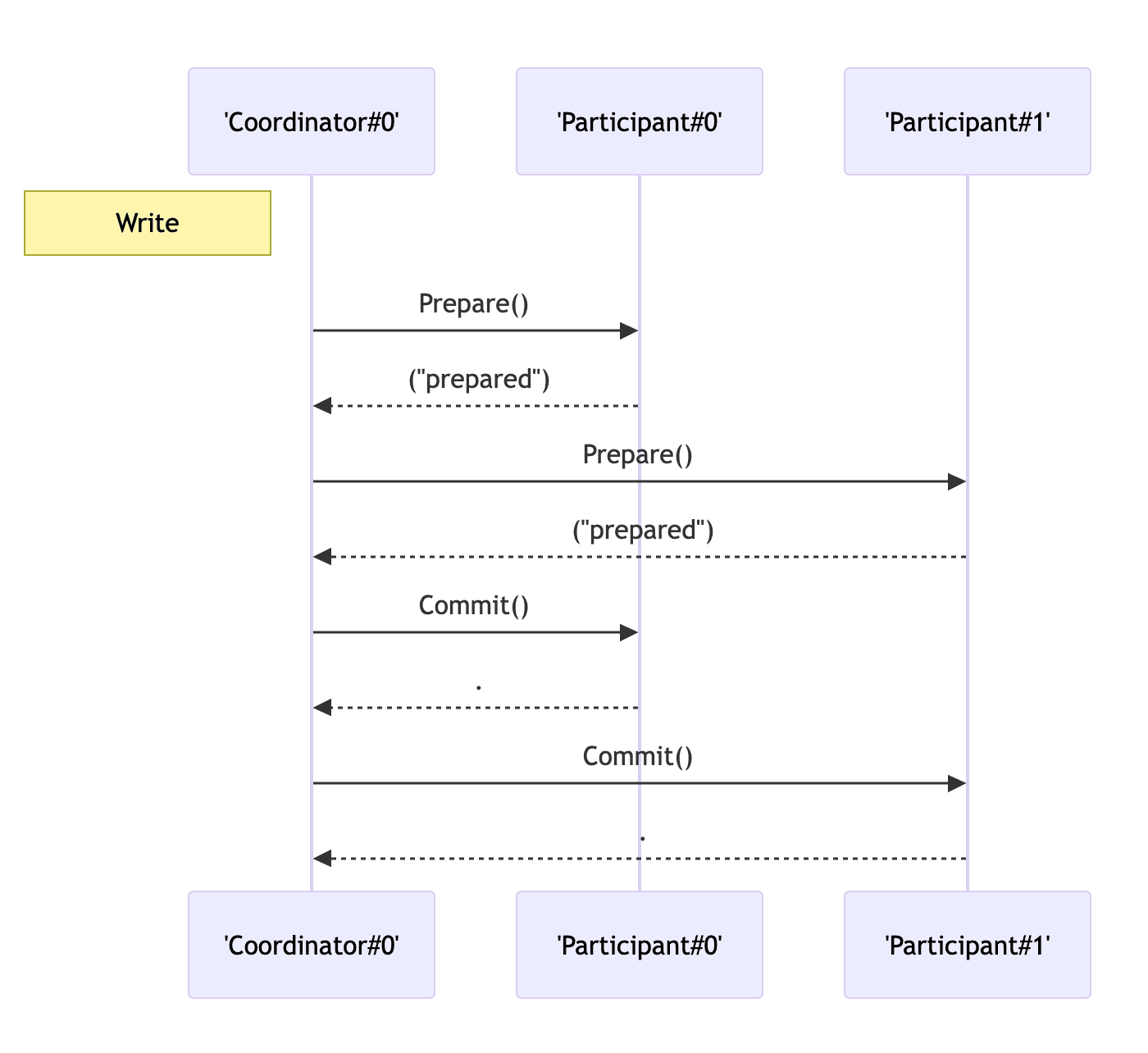
Two-Phase Commit (2PC): All or Nothing, Together
Two-Phase Commit (2PC) ensures a distributed transaction is atomic: all participants either commit or abort together. A coordinator first asks all nodes to prepare (vote), then issues a final commit or abort.
SQLAlchemy: Control When Your Relationships Load
SQLAlchemy's default lazy loading is convenient but can cause an N+1 query storm. Use eager loading (joinedload, selectinload) for collections you'll access to prevent many database round trips.
Connecting to MongoDB with the Native Node.js Driver
The MongoDB driver is a translator between your Node.js app and database. You create a MongoClient, point it at your database URL, and then you can execute commands. The footgun is not closing the connection, which leads to resource leaks in your application.

Vector Clocks: Tracking Causality in Distributed Systems
A vector clock is an array of counters, one for each node, that tracks causality across a distributed system. It's how databases resolve conflicting writes.
Sequelize Associations: Who Holds the Foreign Key?
Think of Sequelize associations as rules for foreign keys. A.belongsTo(B) means A holds the bId foreign key. A.hasOne(B) or A.hasMany(B) means B holds the aId key. The footgun is mixing these up, which breaks your database schema and queries.
Rust Marker Traits: Properties as Types
Marker traits are empty labels telling the Rust compiler about a type's capabilities, like being copyable or thread-safe. They have no methods; their presence is the signal. They're key for concurrency (Send/Sync) and memory (Copy/Sized) safety checks.

Raft: Understandable Distributed Consensus
Raft gets a cluster of servers to agree on a shared state by electing a leader to manage a replicated log. It's used to build fault-tolerant systems that must maintain a consistent state machine. The footgun: assuming 'easier than Paxos' means 'easy'.

Password Hashing with Python's Passlib
Passlib turns plaintext passwords into secure, salted hashes that are safe to store. Use it in any Python app with user accounts to handle logins. The footgun: never compare hashes directly; always use the .verify() method to prevent timing attacks.

Mongoose Middleware (Hooks): Intercepting Database Operations
Mongoose middleware (hooks) lets you intercept database operations. Think of them as "before" or "after" scripts for actions like save or find. Use them to hash passwords before saving a user.
Paxos: Achieving Consensus in Unreliable Networks
Paxos is like a legislature agreeing on a law with unreliable messengers. It lets servers agree on a value (like a transaction) despite failures. It’s used in distributed databases for consistency, but its complexity is its biggest footgun; never implement it…
JWT: Signed JSON Claim Tokens
A JWT is a signed JSON envelope: it carries claim assertions in JSON, optionally encrypted, and proves who wrote it using either a private secret or a public/private key. Do not treat the payload as hidden unless encryption is actually enabled.
Mongoose Validation: Your Schema's Built-in Guard
Mongoose validation is a guard at the application layer, ensuring data conforms to schema rules before hitting the database. Use it for required fields, lengths, and ranges. The unique option is for database indexes, not a Mongoose validation rule.
Rust's std::thread::spawn: Create and Manage OS Threads
std::thread::spawn creates a new OS thread to run code concurrently, returning a JoinHandle to wait for completion. Use it for background tasks or parallel computations. The footgun: dropping the handle detaches the thread, risking resource leaks.
Split-Brain: When a Cluster Disagrees With Itself
A split-brain is when a cluster partitions and nodes on each side think they're the leader, accepting writes independently. This is a classic failure in high-availability systems.
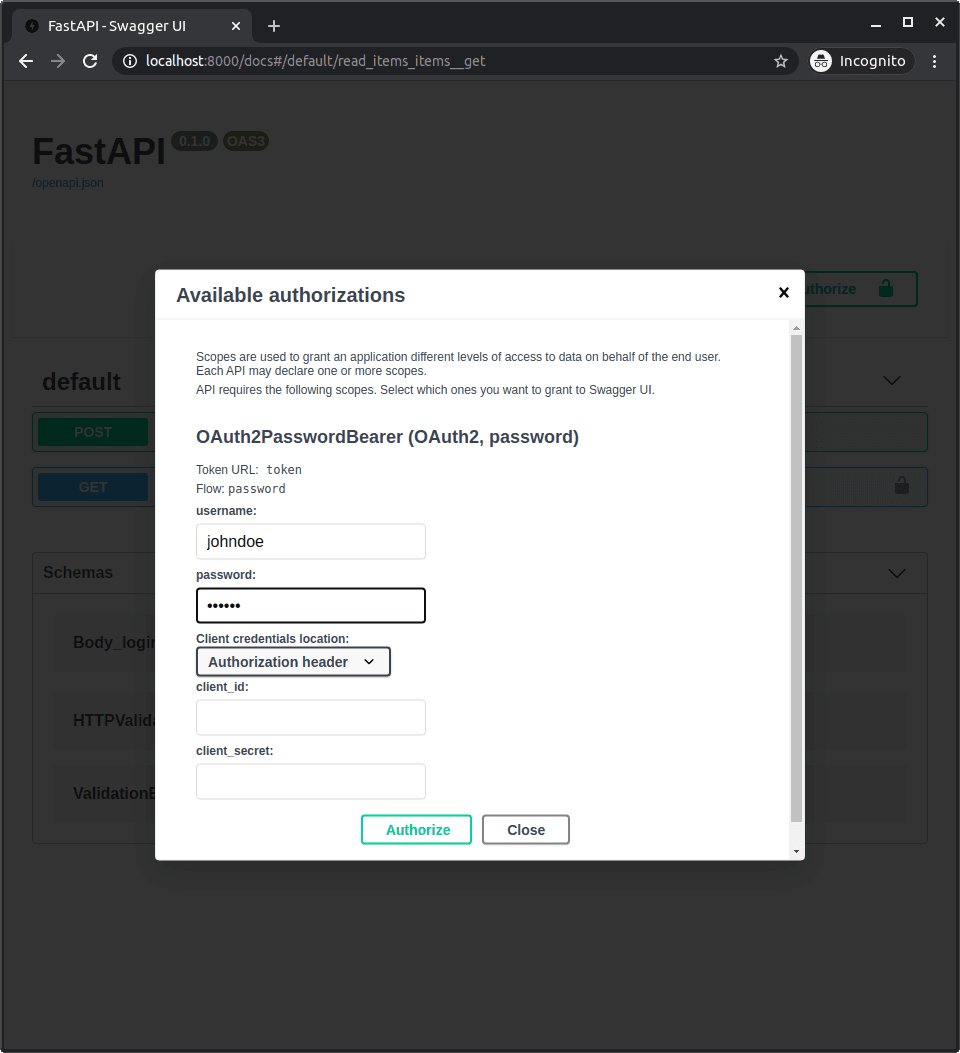
OAuth2 Password Flow: Trading Credentials for a Token
The OAuth2 Password Flow trades a user's credentials for a temporary access token. It's used in trusted first-party apps, like a mobile app logging into its own backend, to avoid sending a password with every API call.
We are hiring for this. Every open role lists the topics its interview covers, so you can prepare for the real thing rather than guessing.
See open roles