Concepts in Backend Dev, page 26
Custom Field Serialization with @field_serializer
@field_serializer is an exit-only adapter for one field: it reshapes data leaving the Pydantic model without changing internals. Use it to format decimals, mask secrets, or tweak datetimes for FastAPI JSON. Never use it for validation; it only runs on output.
Backpressure: Slow the Producer or Crash
Backpressure is a feedback signal telling upstream to slow down when downstream cannot keep up. You see it in stream processors like Flink or Kafka where a slow consumer risks memory exhaustion. Ignore it and queues grow until the service crashes.
Environment-Specific Config: Beyond Hardcoded Values
Think of config as layered transparencies: a base file sets defaults, and environment-specific files (like production.json) override them. This keeps database hosts and feature flags tidy across dev, staging, and prod.
Docker Compose for Local FastAPI Stacks
Docker Compose turns your laptop into a one-command datacenter. Define Postgres, Redis, and your FastAPI app in one YAML file and they boot as a networked stack.
Relevance Ranking: Sorting Results by Likely Usefulness
Relevance ranking orders results by how well they satisfy query intent, not just keyword overlap. It powers ecommerce, documentation, and log search. The footgun is chasing click-through over task completion, which surfaces popular but wrong answers.

Health Check Endpoints: Reporting App Status
A health check is a dedicated endpoint that tells an orchestrator if your app is alive and ready for traffic. Systems like Kubernetes use it to decide whether to send traffic (readiness) or restart a container (liveness).
Rust: Expose Functions to C with `#[no_mangle]`
The #[no_mangle] attribute tells the Rust compiler not to alter a function's name, exposing a stable symbol for C code to call. Use it with extern "C" to create Rust libraries for other languages. The footgun is forgetting extern "C", causing crashes.
FFI Error Handling: Translation and Unwinding
FFI error handling is a translation layer: foreign errors must become Rust Results before safe code sees them, or you risk UB. You do this in -sys wrappers around C libraries. The footgun: foreign exceptions unwinding across boundary without -unwind ABI is UB.

PM2: Zero-Downtime Reloads in Cluster Mode
PM2's reload command updates a clustered Node.js app without downtime by restarting processes one by one. Use this for live deployments. The footgun is using it on a stateful app, which will cause data loss unless state is externalized.

The C Application Binary Interface
An ABI is the contract a library exposes for in-process machine code access. You see this whenever a compiled program calls into a compiled library at the binary level.
Docker Compose for Multi-Container Apps
Docker Compose is a conductor for your containers. Instead of running each service manually, you define your app and its database in one YAML file and launch them together. This is standard for local Node.js/Postgres development.

CI/CD Pipelines for Node.js Applications
A CI/CD pipeline is an automated assembly line for Node.js code, installing dependencies, running tests, and packaging your app for deployment. This is standard for any professional project, but a common footgun is not caching dependencies, leading to slow…
Non-Blocking I/O: Don't Block the Event Loop
Non-blocking I/O lets your program do other work while waiting for slow operations like network requests. It's the core of Node.js, allowing a single thread to serve many users.
Rust's `bindgen`: Auto-Generate FFI to C/C++
bindgen is a translator that reads C/C++ headers and writes the unsafe Rust FFI code to call them. It's used to integrate Rust with existing C libraries, like system APIs or legacy code, saving you from writing bindings by hand.

package-lock.json: Your Dependency Blueprint
package-lock.json is a blueprint for your node_modules, ensuring everyone on your team installs the exact same dependency versions. It's auto-generated by npm to prevent 'works on my machine' bugs. The footgun is ignoring it or manually editing it.
cbindgen: Auto-generate C/C++ Headers for Rust
cbindgen automatically generates C/C++ headers for your Rust code, saving you from writing tedious FFI boilerplate. Use it when exposing a Rust library to other languages. Its feature set is ad-hoc, so it may not support your specific edge case out of the box.
Never Trust Client Input: API Validation
Think of API validation as a bouncer for your server, checking every incoming request's ID before it can access your application logic. Use it in any Express route that accepts user input to prevent bad data from hitting your database or causing errors.

Cookie-Based Sessions: Server-Side State, Client-Side ID
Think of a session cookie as a coat check ticket, not the coat itself. The server stores your data and gives you a unique ID to carry in a cookie. This is how Express.js tracks user state across requests.

Go Cobra: Build Complex CLIs Like `kubectl`
Cobra gives your Go CLI a command tree, like git remote add. It's for apps with nested commands and persistent flags, not just simple tools. The footgun is using it for a single command when Go's flag package would suffice.
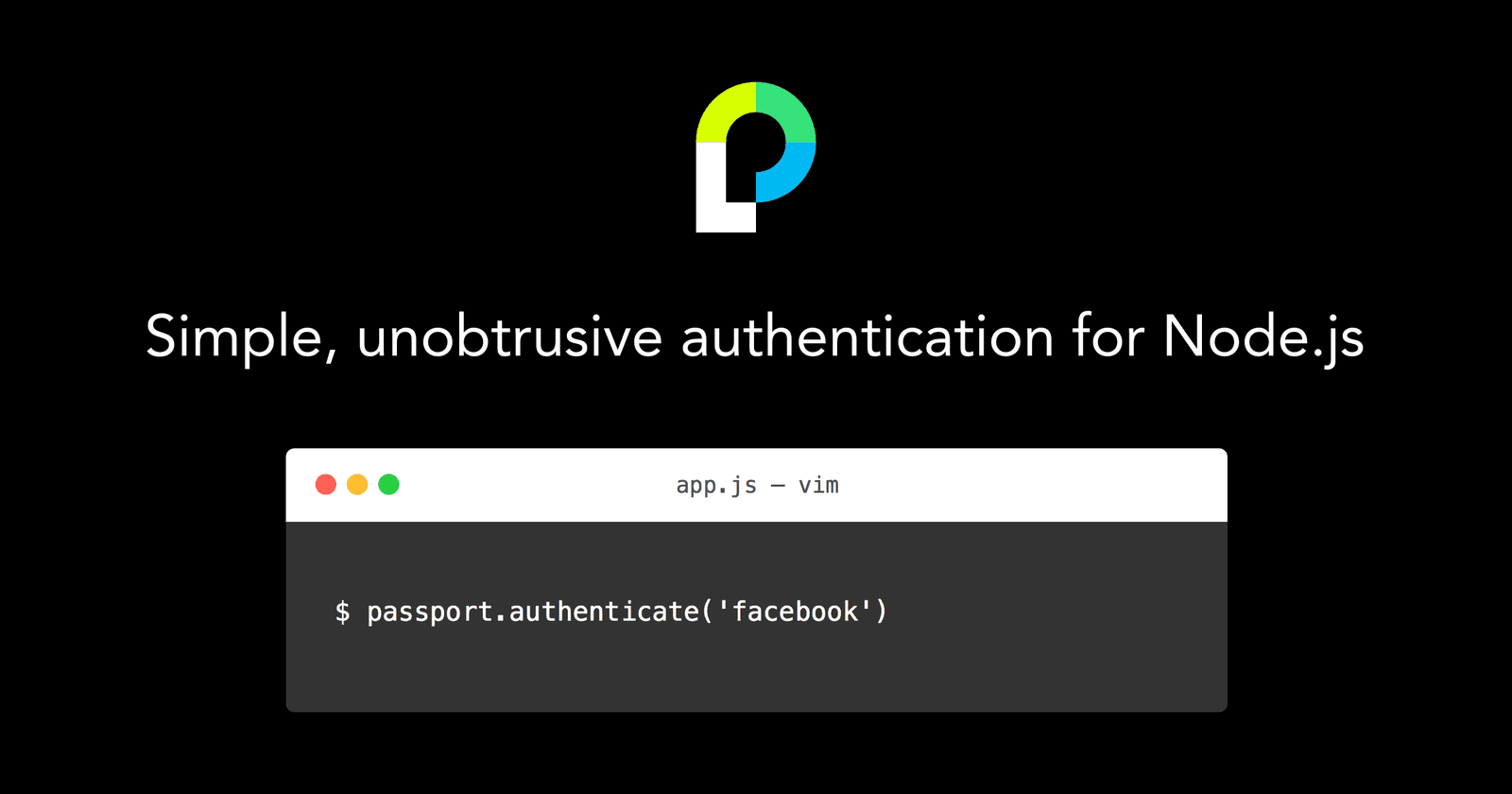
Passport.js: The Gatekeeper for Your Routes
Passport.js is a gatekeeper for your Node.js routes, authenticating requests before your application logic runs. It uses pluggable "strategies" for different login types, like local passwords or Google OAuth. The footgun is misconfiguring failure handling.
We are hiring for this. Every open role lists the topics its interview covers, so you can prepare for the real thing rather than guessing.
See open roles