Concepts in Backend Dev, page 3
Accessing Python Type Annotations Safely
Accessing an object's type hints isn't just obj.__annotations__. Use inspect.get_annotations() in Python 3.10+ for safe access. This is key for tools like FastAPI that introspect your code.
Node.js Cluster: Scaling on a Single Machine
The cluster module turns a single-threaded Node.js app into a multi-process server that uses all CPU cores. It's ideal for scaling network applications on one machine by sharing a single port.
Zero-Cost Abstractions: Pay at Compile Time, Not Runtime
Zero-cost abstractions let you write high-level code that compiles to the same machine code as low-level optimizations. This is key in Rust for safe APIs without runtime overhead.
Relational Algebra: The Math Behind SQL Queries
Relational algebra is the formal logic behind SQL, treating tables as mathematical sets. It provides a grammar for operations like joins and filters, allowing a database to translate your declarative query into a precise, optimizable execution plan.
Python Concurrency vs. Parallelism
Concurrency is juggling tasks; parallelism is doing them at once. In Python, use concurrency (threading/asyncio) for I/O-bound work like API calls, and parallelism (multiprocessing) for CPU-bound tasks.
CommonJS: Node.js's Original Module System
CommonJS treats each file as a private box of code. You share tools using exports and import them with require. It's the original module system for Node.js, used to organize code into reusable pieces.
Go vs. Rust: Variable Mutability by Default
Rust variables are immutable by default; Go's are mutable. Rust forces you to opt-in to changeability with mut for compile-time safety. Go prioritizes convenience, trusting the developer.
Codd's 12 Rules: The Relational Database Litmus Test
Codd's 12 Rules are a litmus test for whether a database is truly "relational." They demand that all data and operations be managed purely through the relational model, not through lower-level system access.
The Python GIL: One Thread at a Time
The Python Global Interpreter Lock (GIL) is a mutex ensuring only one thread executes Python bytecode at a time. This serializes CPU-bound threads, but the lock is released during I/O, making it effective for network-bound tasks.

package.json: The Blueprint for Your Node.js Project
The package.json file is the blueprint for a Node.js project, listing its dependencies and runnable scripts. It's essential for installing libraries (npm install) and running tasks (npm test).
Go Slices: A Window into an Array
Think of a Go slice not as a list, but as a lightweight window into an underlying array. It's used everywhere for managing sequences of data. The footgun: since slices can share memory, modifying one can unexpectedly alter another.
Boyce-Codd Normal Form (BCNF): Stricter Than 3NF
BCNF is a database design rule stricter than 3NF, ensuring no attribute is determined by anything but a superkey. It's used to eliminate all data redundancies from functional dependencies, but can force trade-offs with dependency preservation.
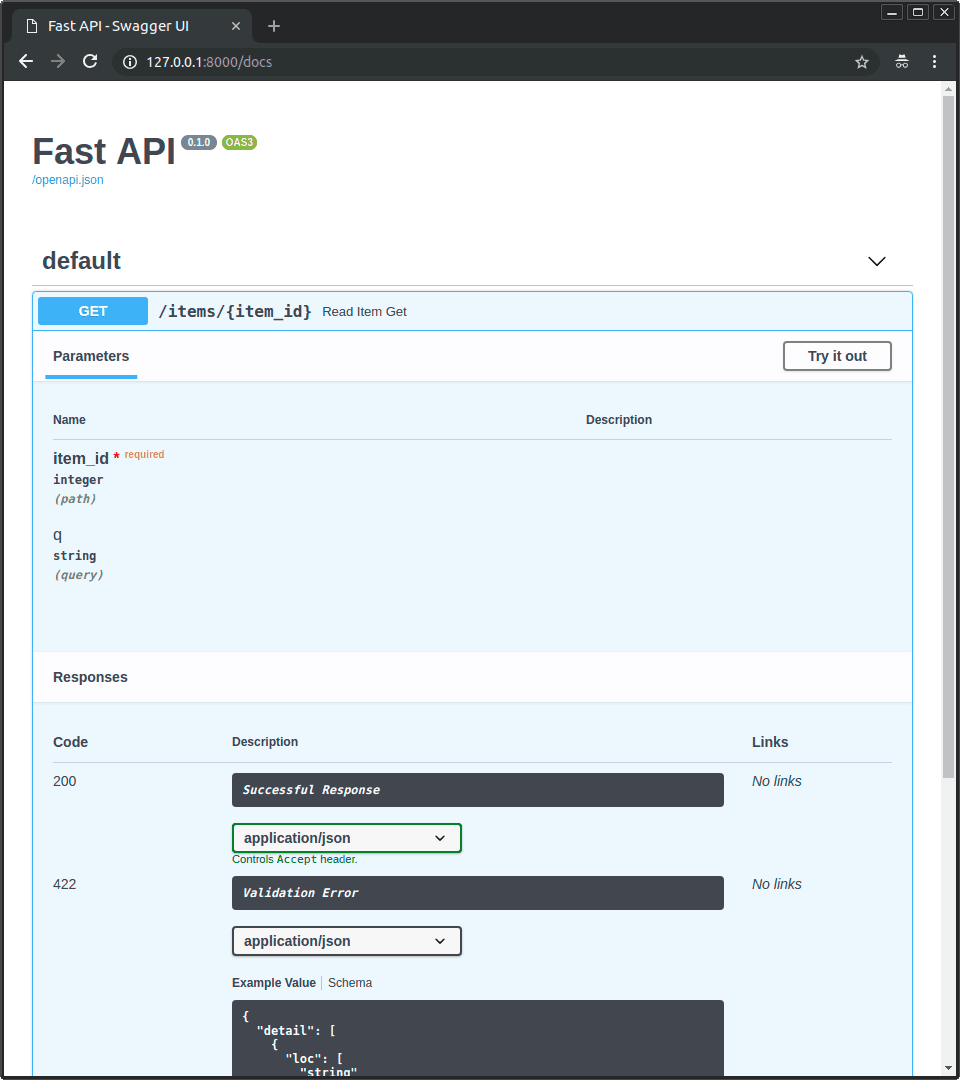
FastAPI Application Instance: Your API's Central Hub
The FastAPI instance is your API's central switchboard, connecting incoming requests to your code. You create it once (e.g., app = FastAPI()) and use its decorators like @app.get to define all your endpoints. The footgun is creating multiple instances.
Dependencies vs. DevDependencies: What's the Difference?
Dependencies are packages your app needs to run in production (like a web framework). DevDependencies are for your development workflow (like a test runner). The footgun is mixing them up, which bloats your production build with unnecessary code.

Entity-Relationship Diagrams: A Blueprint for Your Data
An Entity-Relationship Diagram (ERD) is a blueprint for a database, showing what you're storing and how it connects. It's used before writing code to design a relational database schema. The main footgun is designing the model to match the UI, not the data.
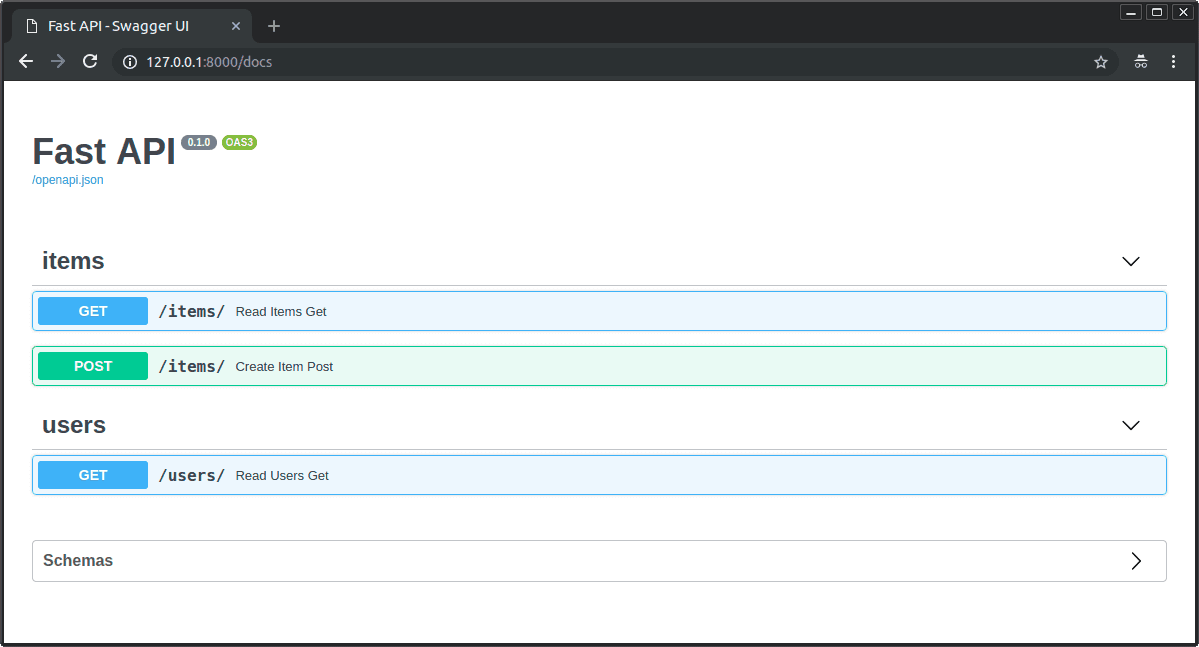
FastAPI: Configure Endpoints with Decorators
FastAPI's path operation decorators configure an endpoint's metadata and behavior. Use them to set status codes (status_code=201), group endpoints with tags, or mark them as deprecated.
npm Scripts: Your Project's Command-Line Shortcuts
Think of npm scripts as aliases for your project's common command-line tasks, stored in package.json. Use them to run build tools, start servers, or execute tests. The main footgun is forgetting npm run for custom scripts like lint or build.
Go's `defer`: Guaranteed Cleanup
Go's defer statement guarantees cleanup by running a function call just before the parent function returns. It's perfect for closing files or unlocking mutexes right where you acquire them. The footgun: multiple defers run in last-in, first-out order.
First Normal Form (1NF): No Nested Data
First Normal Form (1NF) means every table cell holds one single value, not a list. It's the first rule of relational databases, stopping you from storing comma-separated strings. The footgun is stuffing multiple values into one field, which breaks SQL queries.
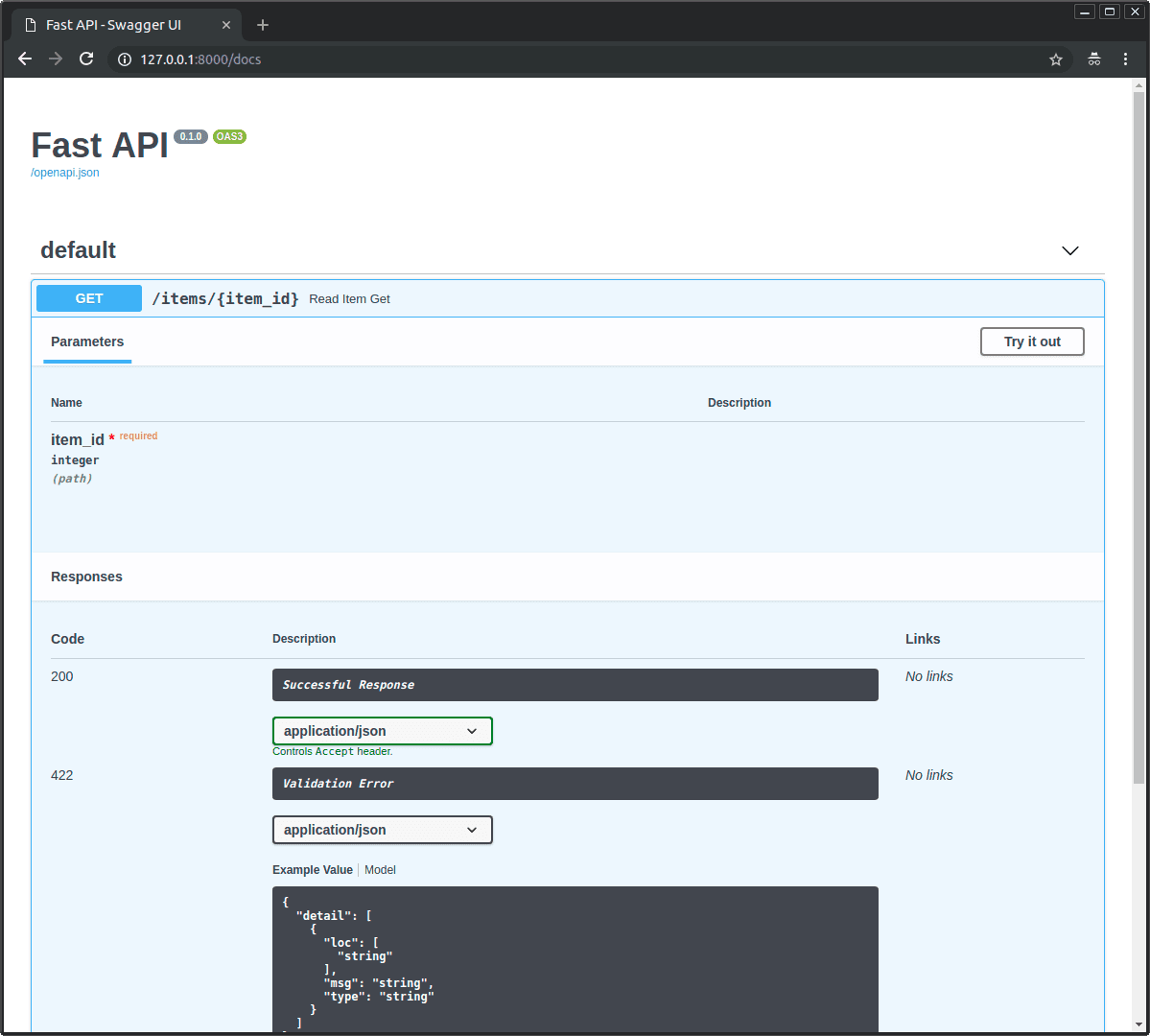
Path Parameters: Turning URL Parts into Variables
Path parameters turn parts of a URL, like /users/123, into typed function arguments. FastAPI uses this to create endpoints for specific resources, like fetching a user by their ID. The footgun is forgetting type hints; without int, 123 is just a string.
We are hiring for this. Every open role lists the topics its interview covers, so you can prepare for the real thing rather than guessing.
See open roles