Concepts in Backend Dev, page 9
Node.js DNS: lookup vs. resolve
Node.js splits DNS into two paths: dns.lookup uses getaddrinfo for IPs, while the dns.resolve family fetches records like MX or TXT. Use lookup for connections and the resolve family for service discovery.
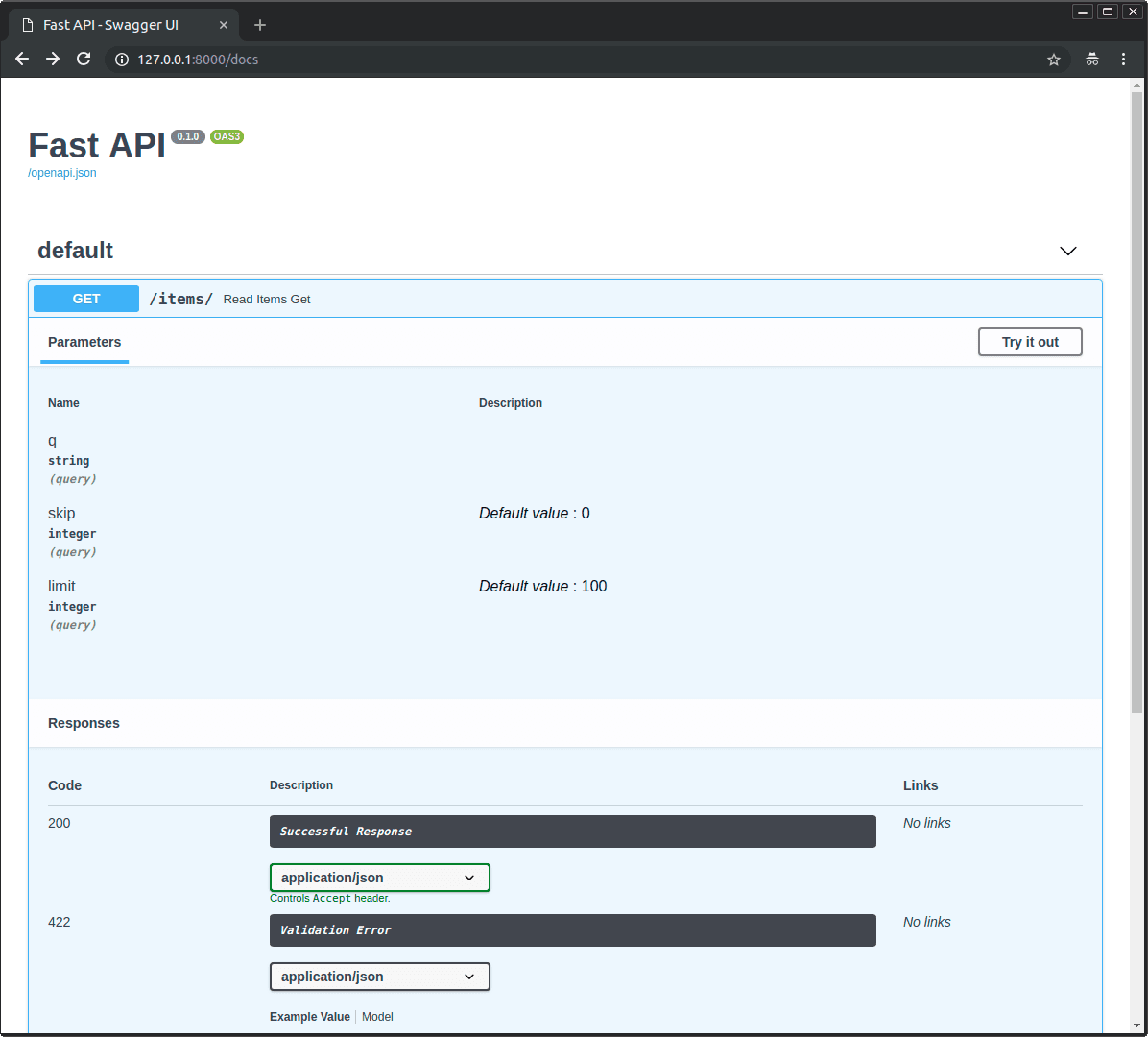
FastAPI's Depends: Let the Framework Handle Setup
Think of Depends as a pre-flight checklist for your API endpoints. You list required setup tasks, like getting a user or a database session, and FastAPI runs them for you. This is key for sharing logic like auth or database connections across many routes.
Rust Cargo Workspaces: A Monorepo Control Panel
A Cargo Workspace is a control panel for a multi-crate Rust project, unifying dependencies and build artifacts. Use it for related binaries and libraries to ensure consistent builds.

Database Pages: The Building Blocks of Your Data
A database page is the fundamental 8KB block for all storage. The database engine reads and writes entire pages, not single rows, for user data, indexes, and metadata. The key footgun: the physical order of rows on a page is not guaranteed.
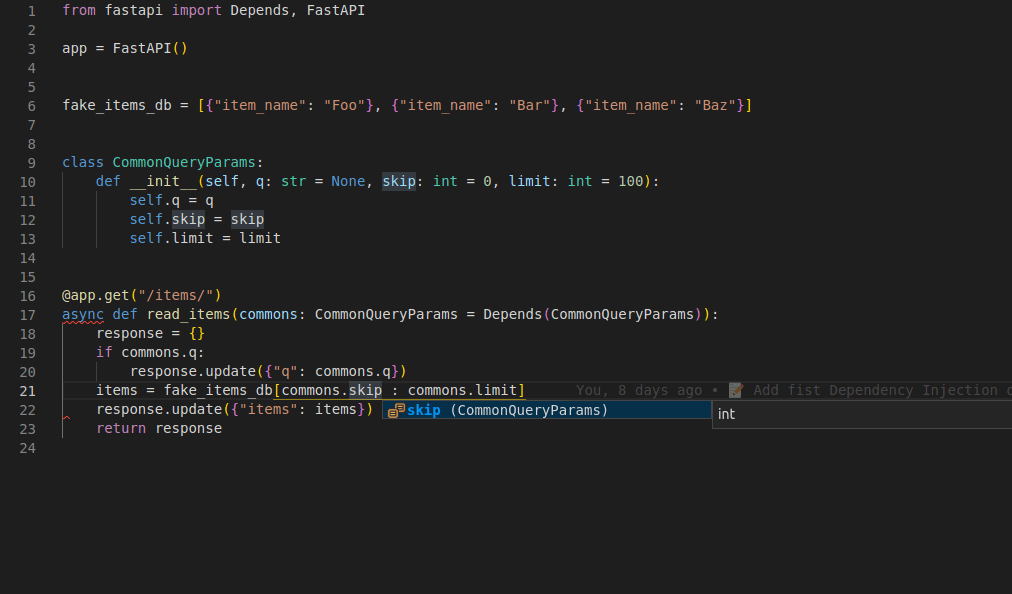
FastAPI: Using Classes as Dependencies
Bundle related request parameters into a class instead of repeating them in every endpoint. FastAPI automatically creates an instance for you, cleaning up your code. This is ideal for shared logic like pagination. The footgun: FastAPI injects into __init__.

Creating Your First Express Server
Think of an Express app as three steps: require the library, create an instance, and listen on a port. This is the foundation for any Express-based API or web server.

Heap File Organization: Fast Writes, Slow Reads
Heap file organization is like tossing records into a box in no particular order. It's great for bulk-loading data quickly, but searching requires a full table scan. The footgun is using it for frequently queried tables, which kills performance.
FastAPI's Dependency Caching: One Request, One Call
FastAPI dependencies are singletons for the life of a request. If multiple parts of your code ask for the same dependency (e.g., a database session), FastAPI runs it once, caches the result, and shares it. The footgun: this cache is per-request, not global.

Express.js: Basic Request Routing
Express routing connects a request's path and HTTP method (like GET /) to a specific handler function. This is the core of any Express app, used to define API endpoints or handle form submissions. A common mistake is using the wrong method for a request.
Stack vs. Heap: Where Go Puts Your Data
The stack is a fast, last-in-first-out region for local, fixed-size data. The heap is slower, flexible memory for dynamic data or values that escape a function's scope.
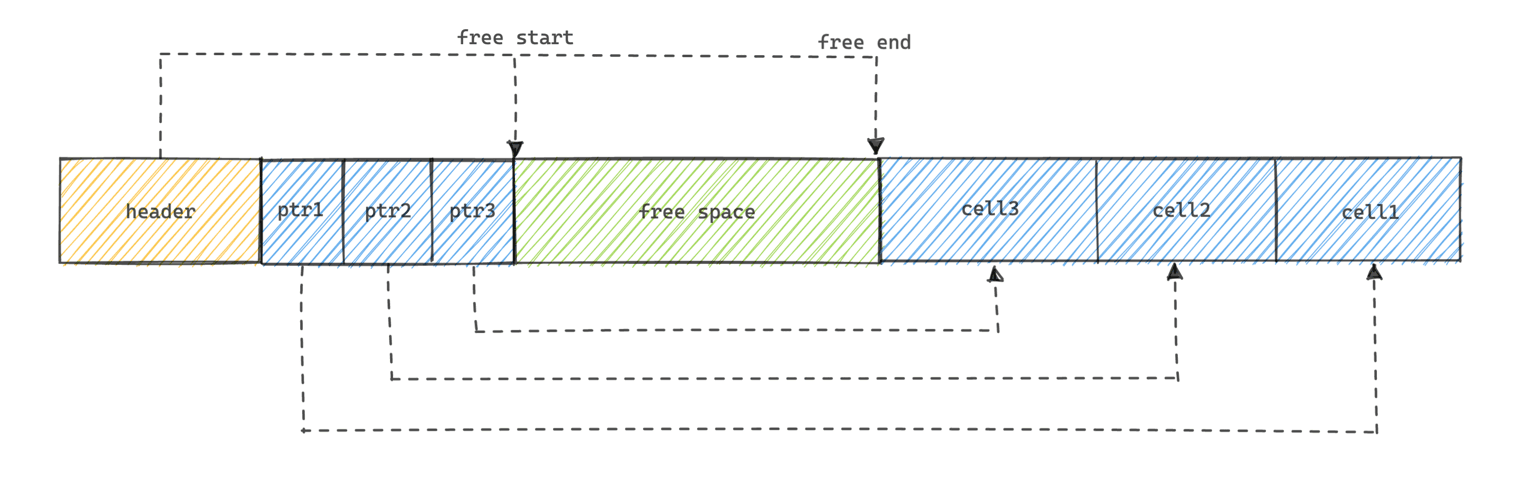
Slotted Page Structure: Stable Pointers on Disk
A slotted page organizes data by growing records from the end of the page and pointers from the beginning. This allows databases to handle variable-sized records without costly reshuffling, keeping pointers stable.

Express Request and Response Objects (req, res)
Think of Express's req and res as an incoming letter and your reply. req contains the client's request details, like headers and data, while res is your toolkit for sending a response. They are the core of every route handler.
Database Checkpoints: Faster Recovery After a Crash
A database checkpoint creates a known good point for faster crash recovery. Instead of writing every change to disk, it periodically flushes modified data from memory, reducing the amount of log data to process.
FastAPI Global Dependencies: DRY Your API Logic
A FastAPI global dependency is like a bouncer for your entire API, running a check on every request. Use it for universal concerns like API key validation. The footgun is applying logic that should only affect a subset of routes, making your API rigid.
Rust's Copy Trait: Implicit Bitwise Duplication
Rust's Copy trait makes assignments duplicate a value instead of moving it, allowing the original to still be used. It's an implicit, bitwise copy for simple types like integers.
Page Replacement Algorithms: Evicting Data from Memory
A page replacement algorithm is a bouncer for your RAM. When memory is full and a new page is needed, it decides which existing page to evict to disk. This is crucial in virtual memory systems.

Express Middleware: The Chain of Command for Requests
Express middleware is a chain of functions a request passes through. Each function can inspect, modify, or stop the request, useful for logging, auth, or body parsing.
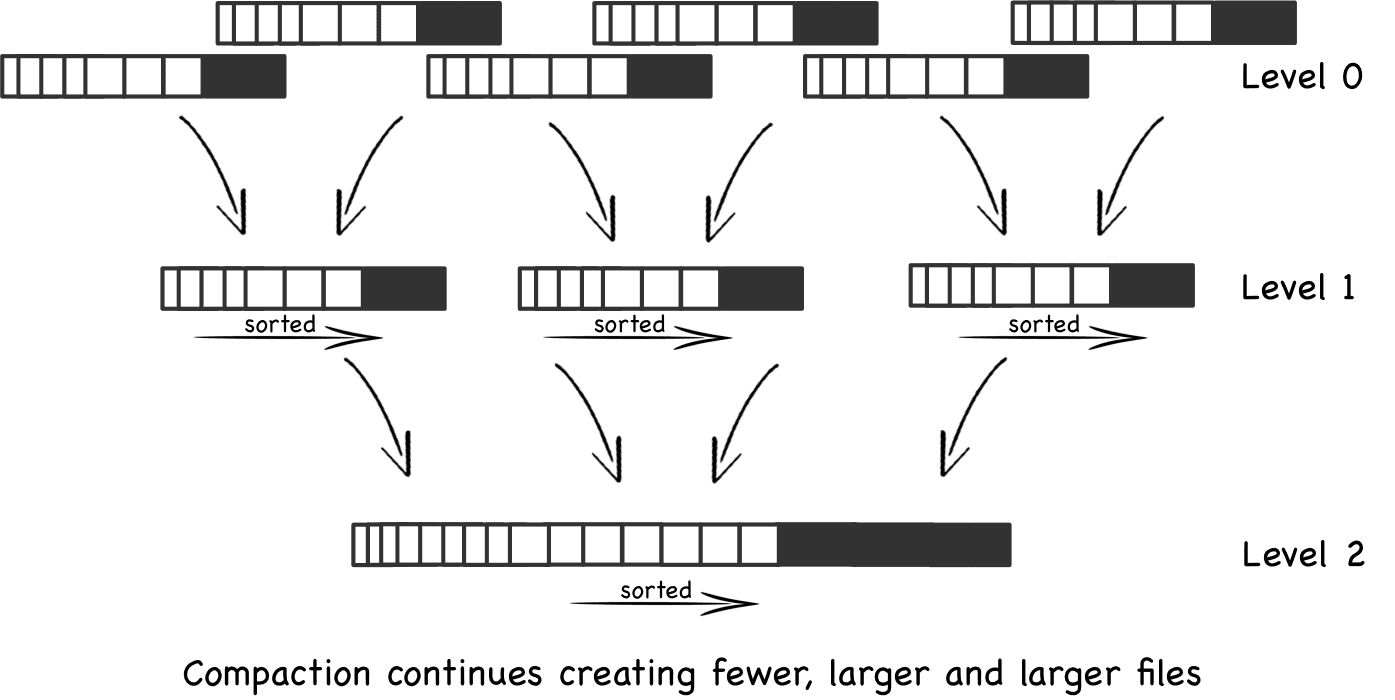
LSM-Tree: Fast Writes, Later Merges
An LSM-tree optimizes for high-volume writes by batching them in memory before flushing to disk, like a notepad for a busy filing cabinet. It's used in databases like Cassandra for write-heavy tasks. The footgun is unpredictable read latency.

express.Router: Group Routes into Modular Files
express.Router is a mini-app for your routes. It lets you group related endpoints (e.g., all /users/... routes) into their own file, keeping your main app.js clean. The footgun is forgetting to mount the router in the main app with app.use().
Rust's `Drop` Trait: Automatic Resource Cleanup
Rust's Drop trait provides automatic, deterministic cleanup, like a destructor. It's used to release external resources like file handles or network sockets when a value goes out of scope. The key footgun: you cannot implement Drop on a Copy type.
We are hiring for this. Every open role lists the topics its interview covers, so you can prepare for the real thing rather than guessing.
See open roles