Easy interview questions in Backend Dev, page 3
Why are Rust's borrowing rules stricter than Go's pointers?
This tests compile-time versus runtime safety tradeoffs. A strong answer contrasts Go's aliasing with Rust's rule of one mutable or many immutable references to prevent data races without a GC. A red flag is calling Rust strict without citing race prevention.
Serving static files in Express
App.use with express.static pointing at the public directory, files served relative to that root, often combined with an absolute path.
Query params vs route params in Express
Query string values via req.query.q, named path segments via req.params.id, query is optional, route params are part of the matched pattern.
What is a database page?
A page is a fixed-size block, often 8KB, holding multiple rows; databases read and write whole pages because disk and OS I/O are block-oriented, amortizing seek cost and matching the buffer pool unit.
Purpose of the Write-Ahead Log
WAL records changes sequentially and is flushed to disk before commit; the rule is log first, then data pages may lag; on crash the database replays the log to recover committed work.
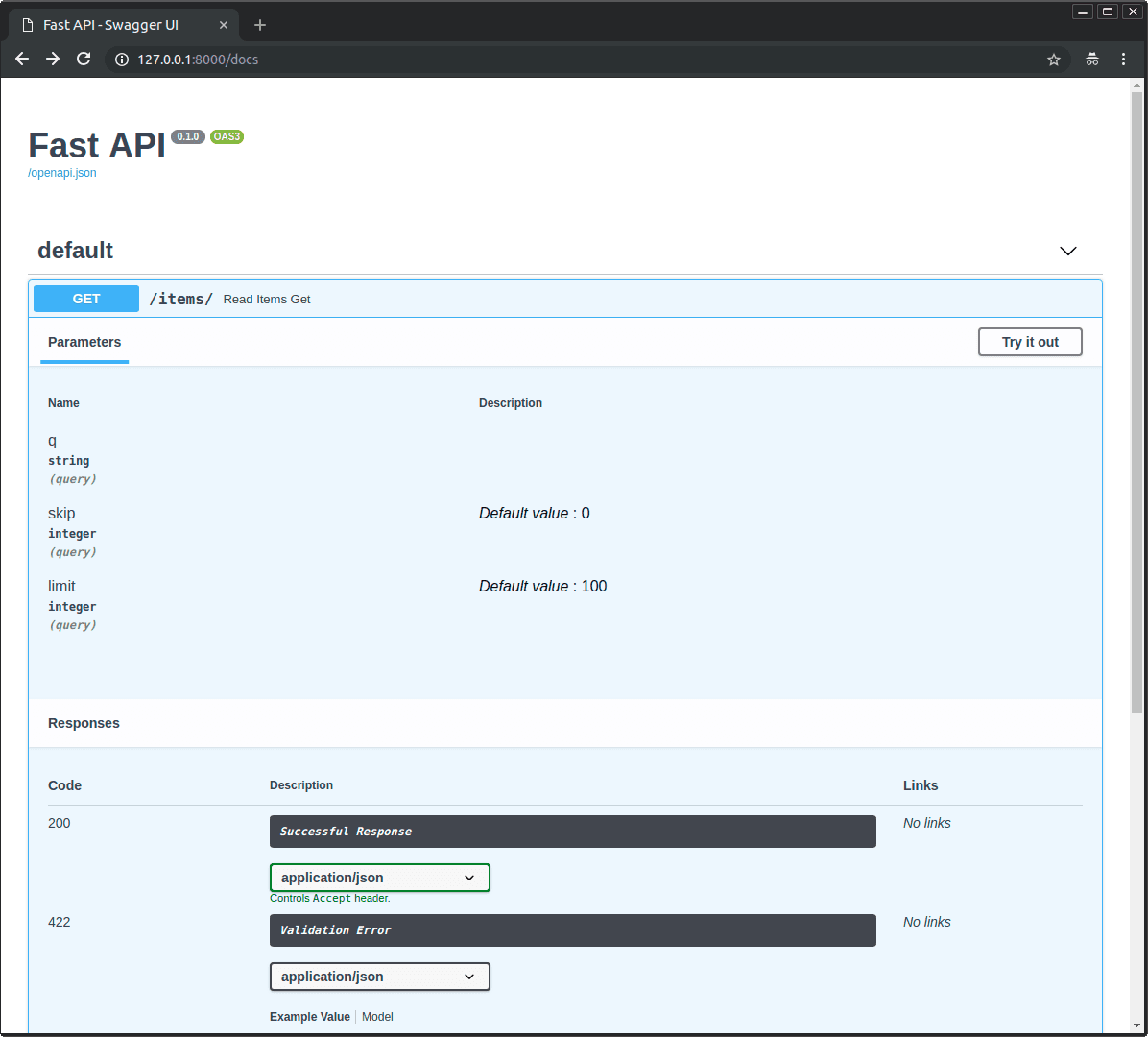
How do you declare a function as a dependency, and why?
Tests FastAPI dependency injection basics. Answer: create a function, import Depends, and add it to path operation parameters so FastAPI injects it. Purpose: routes declare what they need instead of hard-coding shared logic.
What is the purpose of yield in a dependency function?
Tests teardown logic in FastAPI dependencies. Yield splits setup from cleanup: code before yield runs pre-request, after yield runs post-response to close resources like DB sessions. Red flag: confusing it with return or thinking yield is only for generators.
How do you apply a dependency to an APIRouter without per-endpoint signatures?
Pass Depends() to APIRouter dependencies parameter; runs before every route in that router and shows in docs.
How do you idiomatically return a recoverable error and result in Go?
This tests Go's multiple-return error idiom. A strong answer gives a (T, error) signature with error last, returns nil on success, and checks err before using the result. A red flag is suggesting panic for recoverable errors or pointer out-parameters.
What are Rust Result's variants and how does the compiler enforce handling?
This tests Rust's explicit error model. A strong answer names Ok(T) and Err(E), explains must_use warns when Results are ignored, and notes pattern matching or ? is required to extract values.
Rust's operator equivalent to Go's if err != nil return err
Tests if you know Rust's ? operator for error propagation. A strong answer names ?, explains it returns Err from the function via Result's Try and FromResidual traits, and unwraps Ok. Red flag: calling it .unwrap() or suggesting manual match is idiomatic.
What is Express middleware
Middleware are functions in a chain with req, res, next, they inspect or modify request and response, then call next to continue or send a response to end.
Parse JSON and URL-encoded bodies in Express
Express.json() for JSON, express.urlencoded() for form data, both registered via app.use().
Write a request-logging middleware in Express
Read req.method, log with a timestamp, then call next() to continue.
Stages of executing a SELECT query
Parse the SQL into a tree, bind and validate against the catalog, optimize into a physical plan, then execute the plan operators fetching data and returning rows.
Why developers read query plans
The plan shows the operators the optimizer chose to run a query; developers read it to find why a query is slow; a common thing to look for is a full table scan where an index was expected.
Joining a large table with a small one
With a tiny table the optimizer often picks a hash join, building a hash table on the small side in memory, then probing it once per row of the large table in a single pass.
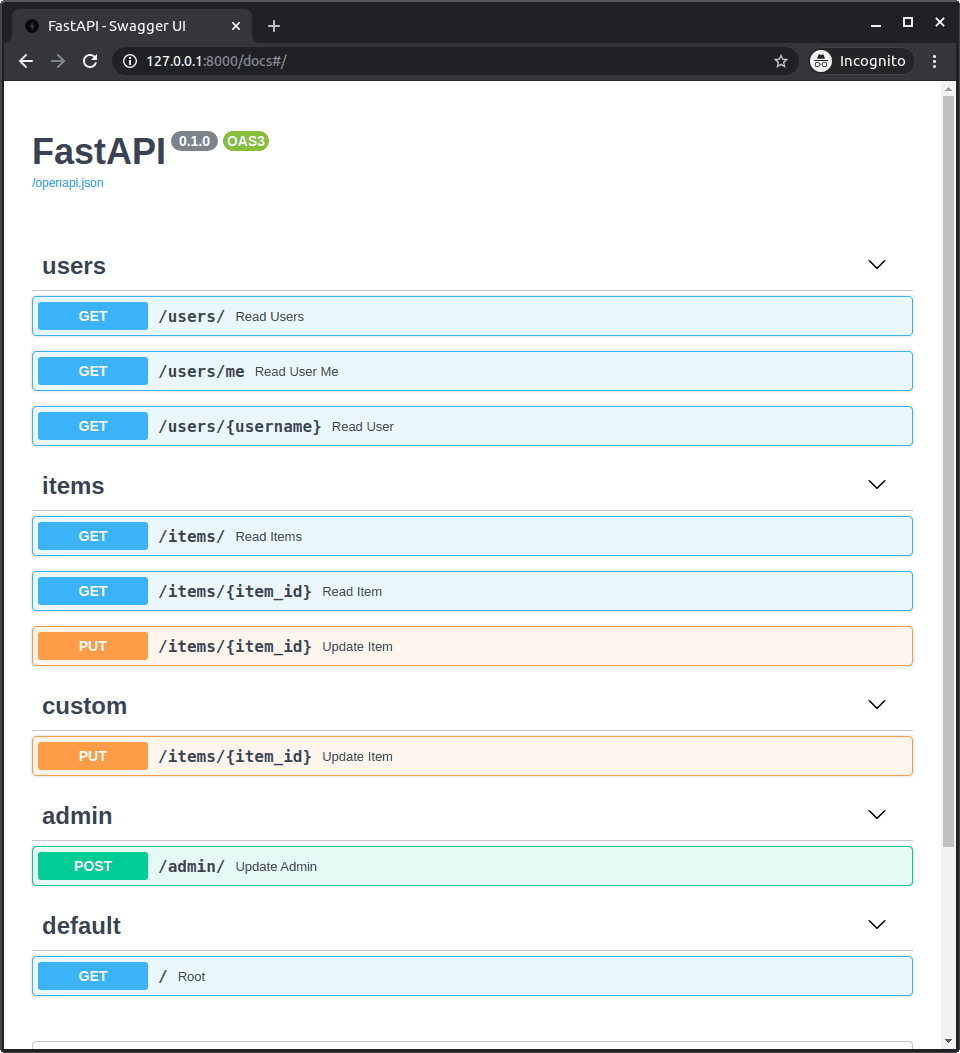
What is APIRouter in FastAPI and why use it?
It tests your grasp of modular architecture in FastAPI. APIRouter splits routes into separate modules so you include them in the main app with prefixes, tags, and dependencies.
Describe a common FastAPI project structure and key directories
Main module holds the FastAPI app; domain files (users, items) expose APIRouters; dependencies in their own module; pyproject.toml as entrypoint.
How does a Go type satisfy an interface? Provide an io.Reader example.
This tests implicit structural typing in Go. A type satisfies an interface by implementing every required method with exact signatures; no declaration links them. A red flag is claiming you need an implements keyword or explicit conformance.
We are hiring for this. Every open role lists the topics its interview covers, so you can prepare for the real thing rather than guessing.
See open roles