Interview questions in Backend Dev, page 2
Resolving core vs relative module specifiers
'fs' is a built-in core module loaded by name with top priority; './my-file.js' is a relative path resolved from the current file.

How does Uvicorn use asyncio to handle thousands of concurrent connections?
Tests async concurrency and the GIL. Great answers cover the event loop suspending coroutines at await, Uvicorn interleaving connections, and multi-process workers for parallelism. Red flag: claiming asyncio uses threads per request or bypasses the GIL.
Write a 1-to-5 loop in Go and Rust
Write Go's three-clause for, write Rust's 1..=5 range iterator, and contrast statement iteration with iterator consumption.
Find users who never placed an order and explain JOIN choice
This tests SQL anti-joins and NULL semantics. A strong answer uses LEFT JOIN with IS NULL or NOT EXISTS, explains why NOT IN is risky with NULLs, and why NOT EXISTS is preferred. Red flag: using INNER JOIN or ignoring NULLs.
Why package-lock.json must be committed
Lockfile pins exact versions of the whole dependency tree including transitive deps; guarantees identical installs across machines and CI.
Implement an async database session dependency using yield for setup and teardown
This tests async resource lifecycle management in FastAPI. A strong answer uses async def, yields a session inside try, closes in finally, and injects with Depends. A red flag is omitting finally or using sync def for async I/O, which leaks connections.
Compare Go's switch with Rust's match on exhaustiveness, fallthrough, and expressions.
Tests grasp of expression vs statement semantics and type safety. Go switch auto-breaks and lacks exhaustiveness; Rust match requires exhaustive patterns, forbids fallthrough, and yields values. Never say Go switch returns a value or Rust match falls through.
What is the difference between WHERE and HAVING in SQL?
Tests SQL execution order and aggregation. A strong answer states WHERE filters rows before grouping, HAVING filters groups after aggregation, and gives an aggregate example that WHERE cannot evaluate.
Choosing between CommonJS and ES Modules
ESM is the standard with static import/export and top-level await; set type to module; CJS uses require and module.exports and is synchronous.
Read Committed versus Serializable isolation levels
Name the four levels, map each anomaly (dirty read, non-repeatable read, phantom) to the level that blocks it.
Create a generic Pydantic BaseModel for API response wrappers
Subclass BaseModel and Generic[T]; type data as T; use ResponseWrapper[User]; note unparametrized TypeVars validate as Any.
Compare Go string and Rust &str/String types, mutability, UTF-8, ownership
This tests your model of immutable UTF-8 strings versus owned buffers. A strong answer contrasts Go's read-only header with Rust's &str borrow and heap-owned String, noting Go immutability is structural while Rust gates mutation via ownership.
Layered structure for a scalable Express API
Routes map URLs, controllers handle HTTP, services hold business logic, data layer talks to the DB; keep each layer ignorant of HTTP except controllers.
Diagnosing and fixing the N+1 query problem
Define the 1 parent plus N child queries, fix via JOIN or batched IN, and ORM eager loading.
What is the purpose of @app.get("/") in FastAPI?
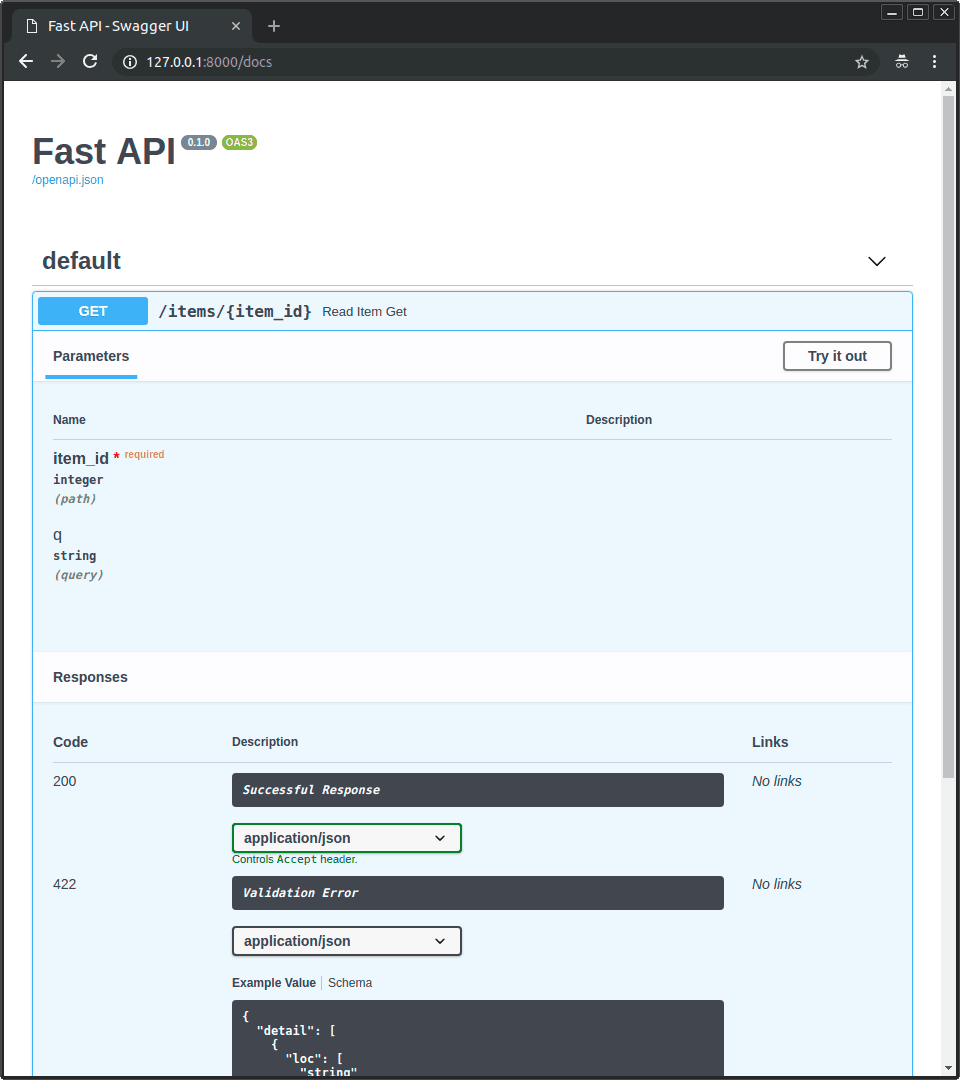
Tests your understanding of FastAPI routing. A strong answer explains that the decorator binds an HTTP method and path to a Python function, registers it in the app's route table, and builds OpenAPI metadata.
Parse a string to integer in Go and Rust with errors
This tests whether you map each language's error philosophy to syntax. Outline: Go returns (int, error) and callers check err != nil; Rust returns Result<i32, E> and callers match Ok/Err. Red flag: suggesting exceptions or ignoring Rust's must-use Result.
SemVer and the caret vs tilde range operators
MAJOR.MINOR.PATCH signals breaking/feature/fix; caret allows minor and patch updates, tilde allows only patch; use tilde for tighter control.
When to intentionally denormalize a schema
Identify read-heavy join cost, duplicate or precompute data, and own the consistency burden.
How do you define and access a FastAPI path parameter?
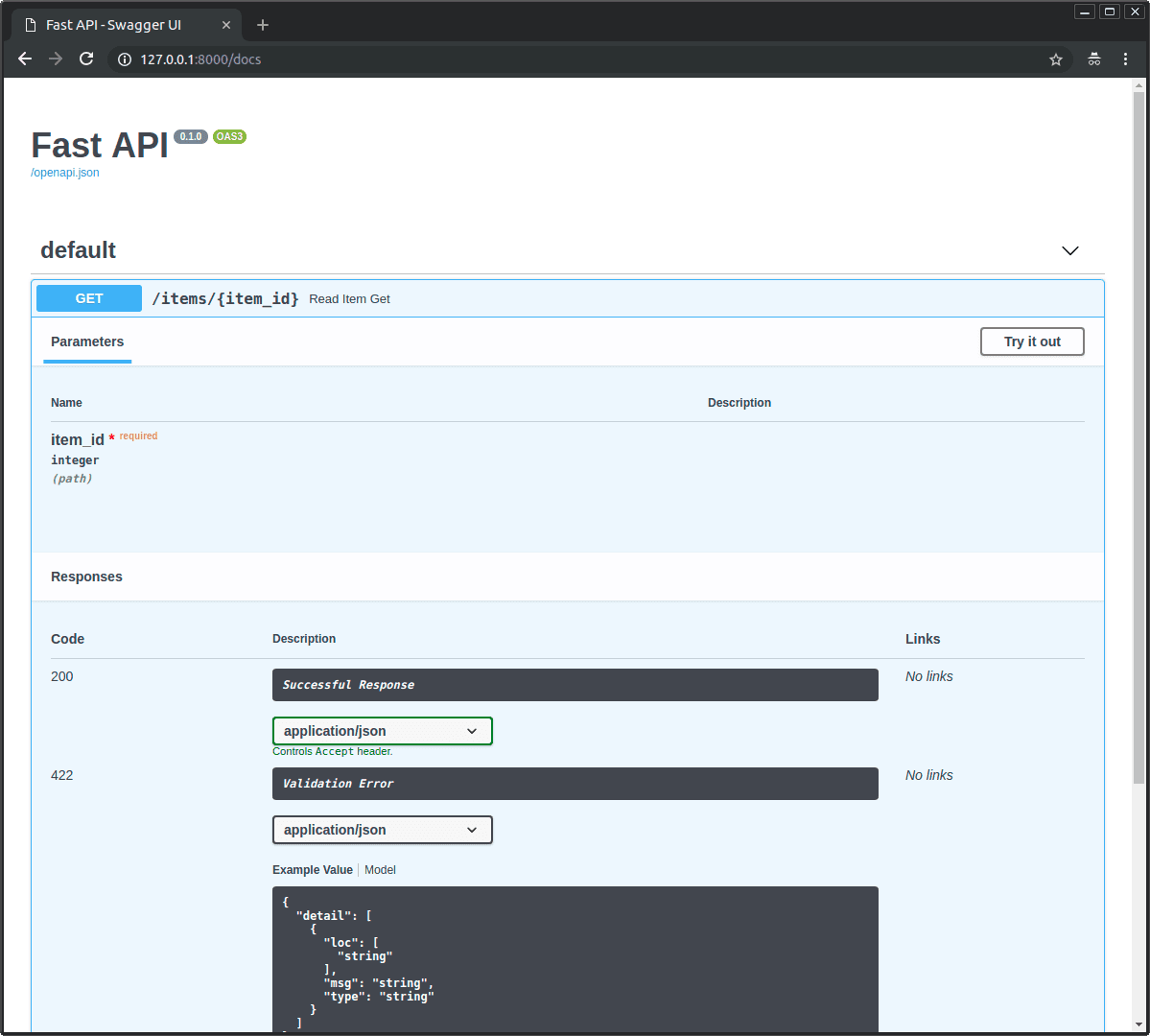
Tests FastAPI route-to-function binding. Good answer: curly-brace syntax in the decorator path, a matching typed function argument, and awareness that FastAPI auto-extracts and converts the value.
Describe Go slice internals and compare to Rust slice and Vec
Go slices are three-word headers over an array; Rust &[T] is a two-word borrow without capacity; Vec<T> is an owned buffer that reallocates.
We are hiring for this. Every open role lists the topics its interview covers, so you can prepare for the real thing rather than guessing.
See open roles