Advanced everything in Backend Dev, page 8
Shadowing in Go and Rust: idioms, bugs, and if-block scoping
Tests lexical scoping in Go and Rust. Strong answers show Go's := narrowing and Rust's let rebinding, warn that Go's if := scopes across both branches, and contrast that with Rust's block-local let. Red flag: calling shadowing mutation.
Go nil pointers vs Rust Option: impact on signatures and safety
Tests encoding of absence. Go nil means any pointer may be null, pushing checks to runtime; Rust Option<T> forces compile-time handling. Strong answers cover signatures, validity, and NPO. Red flag: calling Option syntactic sugar for null.
Default integer overflow behavior in Go versus Rust
Go wraps silently; Rust panics in debug, wraps in release; Rust has wrapping_, checked_, saturating_ methods; Go needs manual checks.
Contrast unsafe in Go versus Rust and the invariants you assume
Tests divergent safety philosophies. Go unsafe enables FFI and pointer casting; you guarantee valid memory, alignment, and GC reachability. Rust unsafe unlocks raw pointers and FFI; you manually uphold aliasing and validity invariants behind safe APIs.
CSP: Model Concurrency with Message Passing
CSP treats concurrency as isolated processes talking through channels, not threads fighting over shared memory. It shaped Go, Erlang, and occam. Engineers often retrofit shared-state patterns into channel-based code and reintroduce race conditions.

Mangum: Run Python ASGI Apps on Serverless
Mangum is an adapter for running Python ASGI apps (like FastAPI) on serverless platforms like AWS Lambda. It translates serverless events into ASGI requests, letting you deploy existing async web apps without a rewrite.
FastAPI's WebSocket State Machine
FastAPI manages WebSockets with a state machine, tracking client and application states separately. You must explicitly accept() a connection before communicating. This is key for chat or notification features.
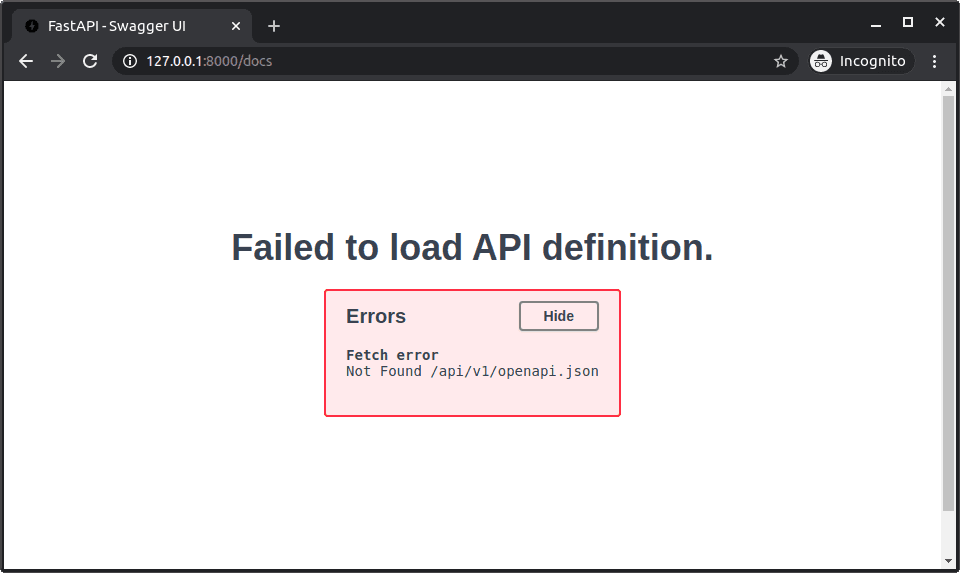
FastAPI Behind a Reverse Proxy: Fixing Docs URLs
A reverse proxy can hide the full URL from your FastAPI app, breaking OpenAPI docs. Tell your app about the proxy's path prefix by setting the root_path during initialization to ensure all generated URLs are correct.
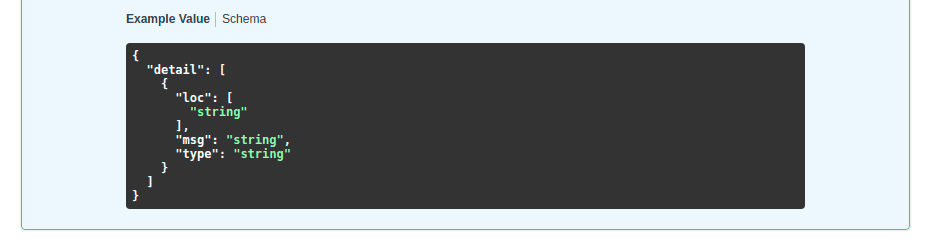
Customizing FastAPI's Swagger UI Behavior
Treat FastAPI's Swagger UI as a configurable frontend, not a static page. You can customize its behavior by passing a dictionary of settings on app startup. This is useful for changing themes or pre-filling auth fields. The footgun: keys must be camelCase.
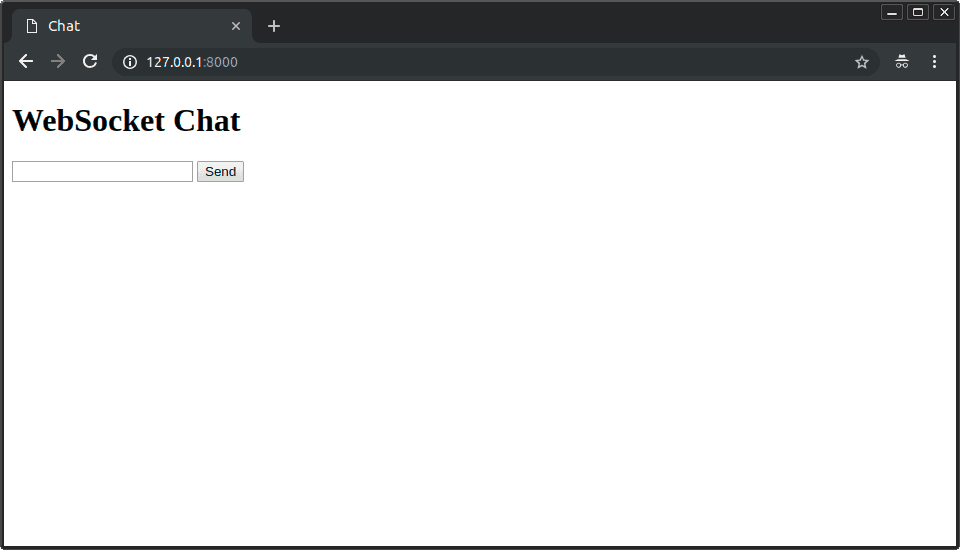
Testing WebSockets in FastAPI
Test a WebSocket conversation by scripting both sides. FastAPI's TestClient provides a websocket_connect context manager to send messages and assert responses sequentially, which is crucial for testing chats or live data feeds.
Mocking with Pytest's monkeypatch
Pytest's monkeypatch is a temporary stunt double for your code, safely swapping out functions or environment variables for a single test. Use it to isolate tests from network calls or filesystem access.
Celery: Offloading Work from Your FastAPI App
Celery lets your web app offload slow tasks to a separate process, keeping your API responsive. Use it for tasks that can't finish in a single HTTP request, like sending bulk emails or processing images.
CSRF: Double Submit Cookies for Stateless Backends
Double Submit Cookies stop CSRF by requiring a secret in two places: a cookie and a request header. The server just checks if they match. It's useful for stateless APIs where storing server-side tokens is impractical.
OpenID Connect (OIDC): Authentication as a Service
OIDC lets you delegate user login to a trusted third party, like "Sign in with Google." Your app gets a verifiable token saying who the user is, without handling their password. It's used for SSO in web apps.
SQLAlchemy: Control When Your Relationships Load
SQLAlchemy's default lazy loading is convenient but can cause an N+1 query storm. Use eager loading (joinedload, selectinload) for collections you'll access to prevent many database round trips.
Debugging Python's Asyncio
Debugging asyncio is about finding what's blocking the single-threaded event loop. Use its debug mode to detect slow callbacks and run_in_executor to offload CPU-bound work. The biggest mistake is calling blocking code directly, which stalls the entire app.

asyncio Event Loop Policies: A Deprecated Pattern
Think of an event loop policy as the global factory for asyncio's event loops, controlling which loop is created and how it's retrieved. It was used to swap implementations, but the entire API is deprecated in Python 3.14 and will be removed in 3.16.
asyncio: Transports Move Bytes, Protocols Decide Which Bytes
asyncio Transports are the "how" (moving bytes), while Protocols are the "what" (deciding which bytes to send). They're the low-level foundation for libraries handling raw socket I/O.

Async Generators: `yield` in an `async` World
Async generators let you write I/O-bound data streams with the elegance of yield. An async def function with yield produces values one at a time, pausing for I/O without blocking. This is ideal for streaming data from a database.
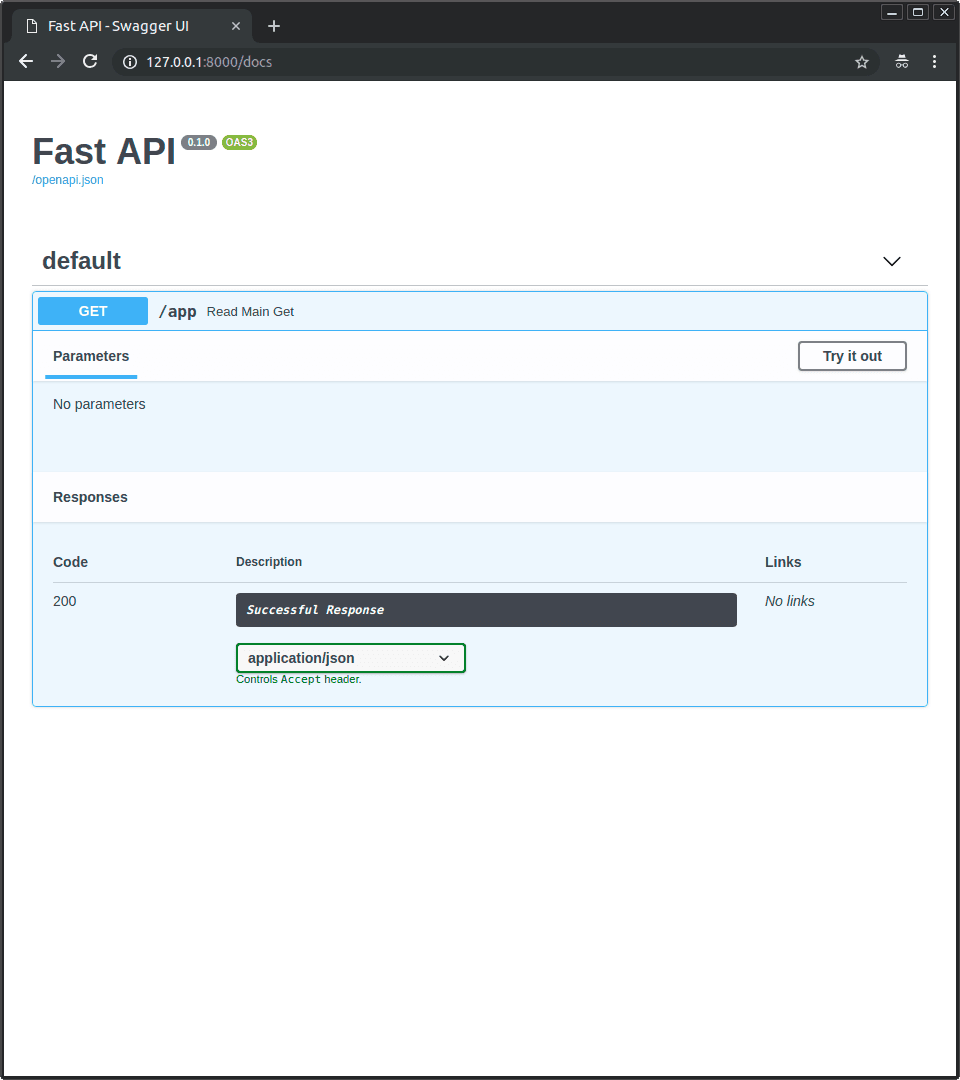
FastAPI: Mounting Independent Sub-Applications
Mounting delegates a URL prefix to a separate FastAPI app, giving it its own isolated logic and API docs. Use it to combine microservices or isolate domains. The footgun: the main app's dependencies and middleware do not apply to the sub-app.
We are hiring for this. Every open role lists the topics its interview covers, so you can prepare for the real thing rather than guessing.
See open roles