Easy everything in Backend Dev, page 15

Shared & Exclusive Locks: The Read vs. Write Rule
A Shared (S) lock is like many people reading a library book at once; an Exclusive (X) lock is one person writing in it alone. Databases use S/X locks to manage concurrency, preventing writes from corrupting reads.
Database Transaction Log: Your System's Safety Net
A transaction log is your database's safety journal. Before changing data, it records the intended action in a durable file. This is vital for crash recovery, ensuring data isn't left corrupt. The footgun: its primary role is integrity, not just auditing.
Write-Ahead Logging (WAL): Survive Crashes by Journaling First
Think of it as a journal of intentions. Before changing data, a database writes the intended change to a log file first. This ensures that if the system crashes, it can recover by replaying the log, guaranteeing no writes are lost.
Lock Now or Check Later: Optimistic vs. Pessimistic Concurrency
Pessimistic concurrency locks data first, assuming conflict is likely ('ask permission'). Optimistic concurrency proceeds without locks and checks for conflicts before saving, assuming they're rare ('ask forgiveness'). Use pessimistic for high-contention.
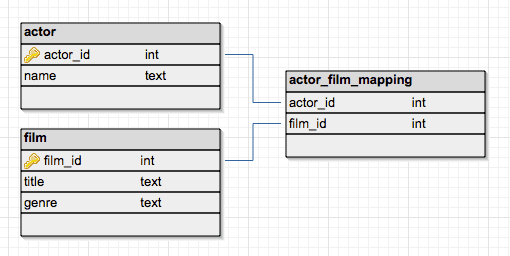
Junction Table: Connecting Many to Many
A junction table is a bridge between two other tables, enabling a many-to-many relationship. It's used to connect students to classes or tags to articles. The common footgun is forgetting a unique constraint, allowing duplicate connections.
First Normal Form (1NF): No Nested Data
First Normal Form (1NF) means every table cell holds one single value, not a list. It's the first rule of relational databases, stopping you from storing comma-separated strings. The footgun is stuffing multiple values into one field, which breaks SQL queries.

Entity-Relationship Diagrams: A Blueprint for Your Data
An Entity-Relationship Diagram (ERD) is a blueprint for a database, showing what you're storing and how it connects. It's used before writing code to design a relational database schema. The main footgun is designing the model to match the UI, not the data.
Primary Keys: The Unique ID for Every Row
A primary key is like a social security number for a database row, uniquely identifying it. It's used to reliably fetch records and link related data across tables. The footgun is using a natural key, like an email address, that might change over time.
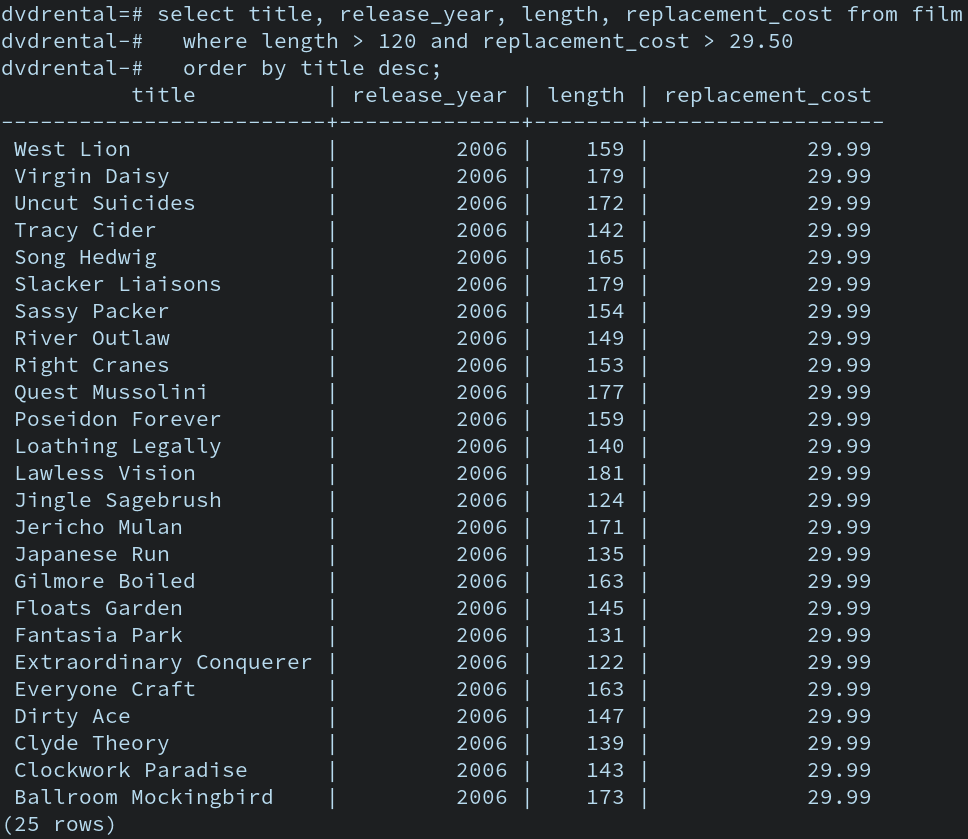
DBMS: The Software That Runs Your Database
A DBMS is the software engine that manages a database, separating your app from raw data files. You use it to query, update, and administer data, like with PostgreSQL or MySQL. The common footgun is confusing the DBMS with the database itself.

Top 10 FastAPI interview questions for senior roles
FastAPI interview questions rarely test syntax. They probe whether you understand its three pillars: ASGI powered async concurrency, Pydantic validation at the request boundary, and the Depends dependency injection graph that wires services together.
We are hiring for this. Every open role lists the topics its interview covers, so you can prepare for the real thing rather than guessing.
See open roles