Easy everything in Backend Dev, page 4
The lost update anomaly explained
Both transactions read the same value, each adds one, the second overwrite erases the first.
The ACID properties of transactions
Define Atomicity, Consistency, Isolation, Durability and why each matters.
Modeling one-to-many versus many-to-many relationships
One-to-many uses a foreign key on the many side; many-to-many needs a junction table with two foreign keys.
Normalizing a flat orders table to 3NF
Split repeating data, remove partial dependencies, remove transitive dependencies, define keys.
In-memory rate limiter middleware in Go
Use a token-bucket limiter (golang.org/x/time/rate), guard a per-client map with sync.Mutex, wrap http.Handler so requests over the limit get 429.
Handling Result and errors in a Rust web handler
Handler returns Result, the ? operator early-returns errors, a custom error type implements IntoResponse to map to 500, success returns 200 with data.
Structuring a Go CLI that fetches a URL
Parse args with the flag package, http.Get the URL, check err and status, defer resp.Body.Close, copy body to stdout, exit non-zero on failure.
Refactoring under Go simplicity versus Rust correctness
Rust's type system catches broken invariants at compile time so refactors are guided; Go's explicitness keeps code readable but shifts safety to tests and discipline.
Implicit Interface Satisfaction in Go
Go types satisfy an interface automatically by having the right methods, with no explicit implements declaration. This structural typing decouples implementations from interface definitions, so you can define interfaces around how you use a type without…
Why use an ASGI server like Uvicorn instead of the dev server?
Tests: dev vs prod environment distinction. Answer: Uvicorn is a prod server program; contrast dev server's constant restart/break/fix cycle with prod needs for performance, stability, and uninterrupted access.
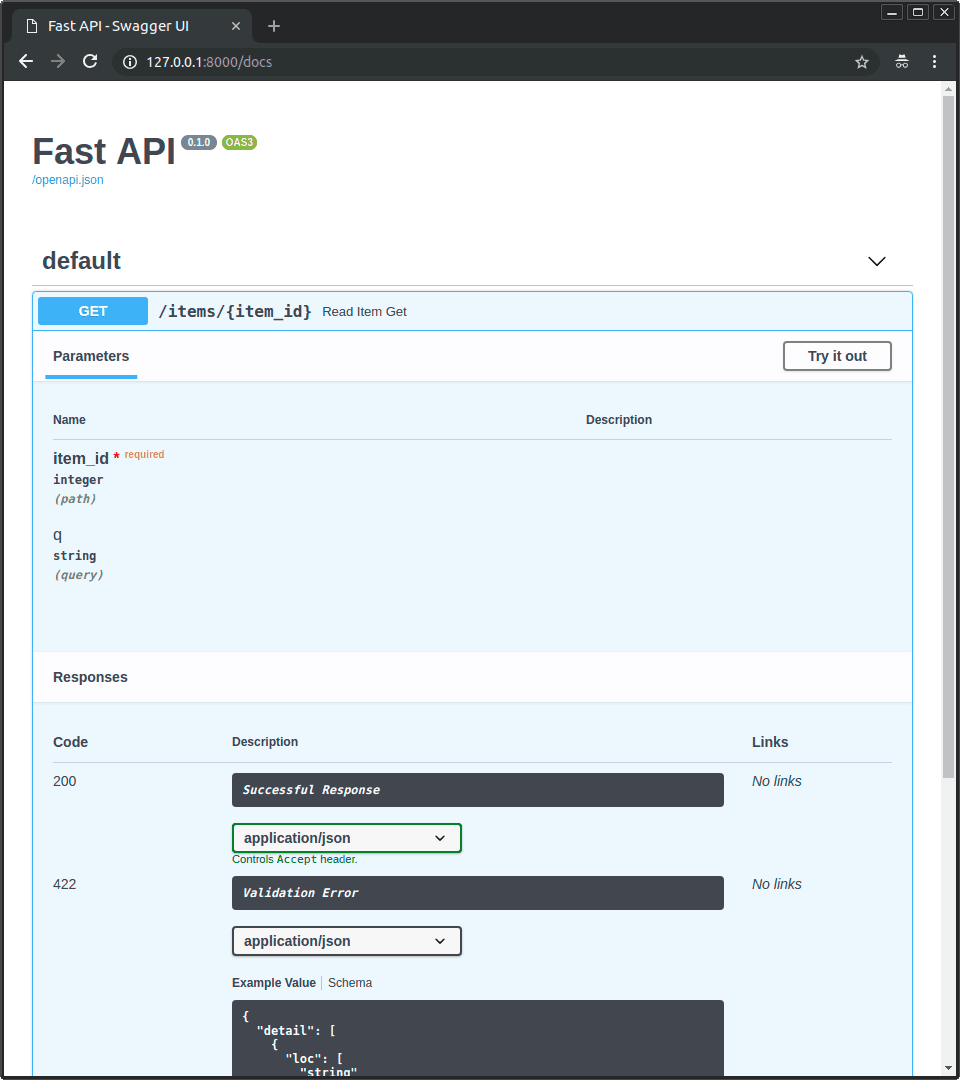
Walk me through a basic Dockerfile for a FastAPI app
Slim base, install deps before app code to cache layers, expose port, exec-form CMD for Uvicorn.
What are startup and shutdown events in FastAPI?
Tests app lifespan hooks and resource lifecycle. Startup creates DB pools before traffic arrives; shutdown closes them after the last request. These decorators are deprecated; prefer lifespan context managers. Red flag: per-request middleware.
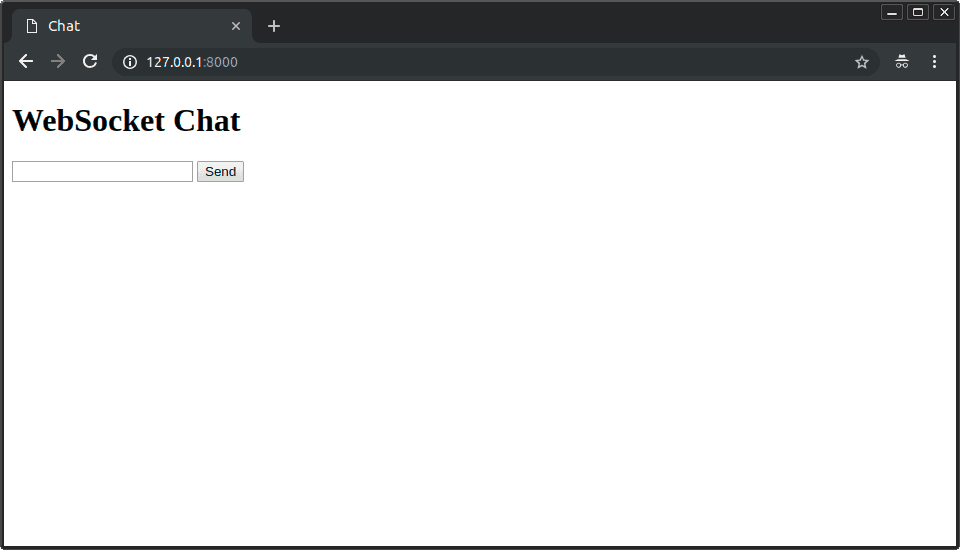
How do you define a WebSocket endpoint in FastAPI?
Import WebSocket, use @app.websocket, await accept, receive_text, then send_text.
What are FastAPI's two default interactive documentation UIs and URL paths?
This tests whether you know FastAPI's built-in auto-generated docs. A strong answer names Swagger UI at /docs and ReDoc at /redoc, then notes the OpenAPI schema at /openapi.json. A weak answer confuses these with external tools or custom routes.
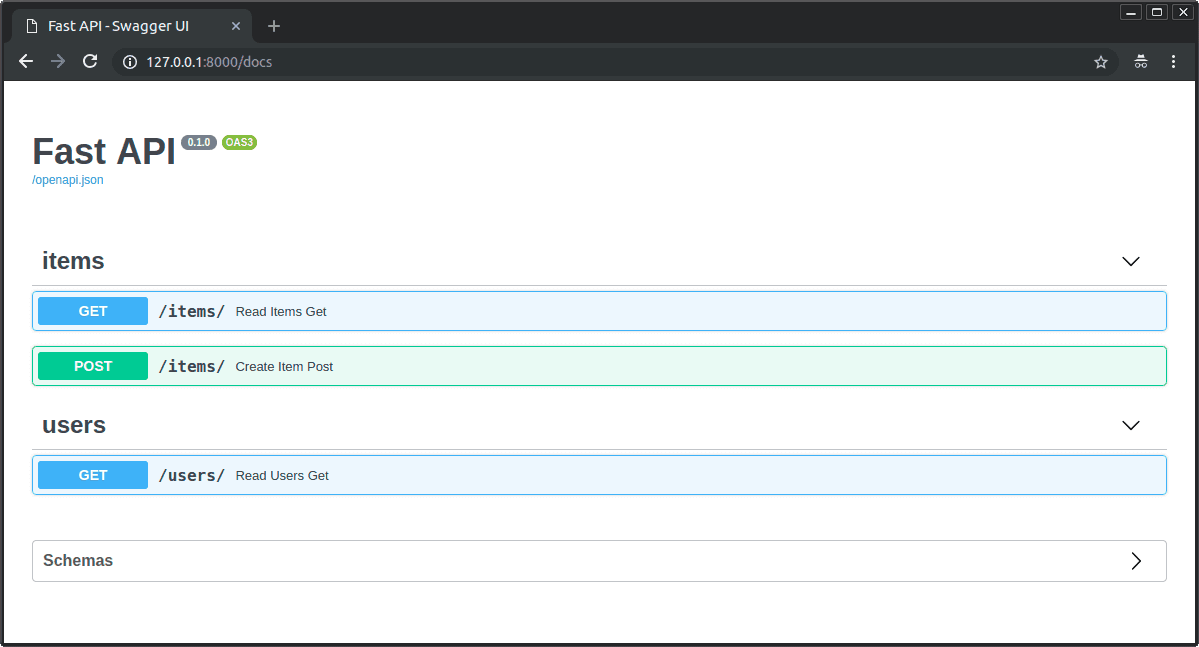
Add summary and description to a FastAPI endpoint for Swagger UI
This tests FastAPI path operation decorator configuration. Pass summary and description to @app.get, or use function docstring for description. A red flag is setting metadata inside the function body or confusing docs with Pydantic Field descriptions.
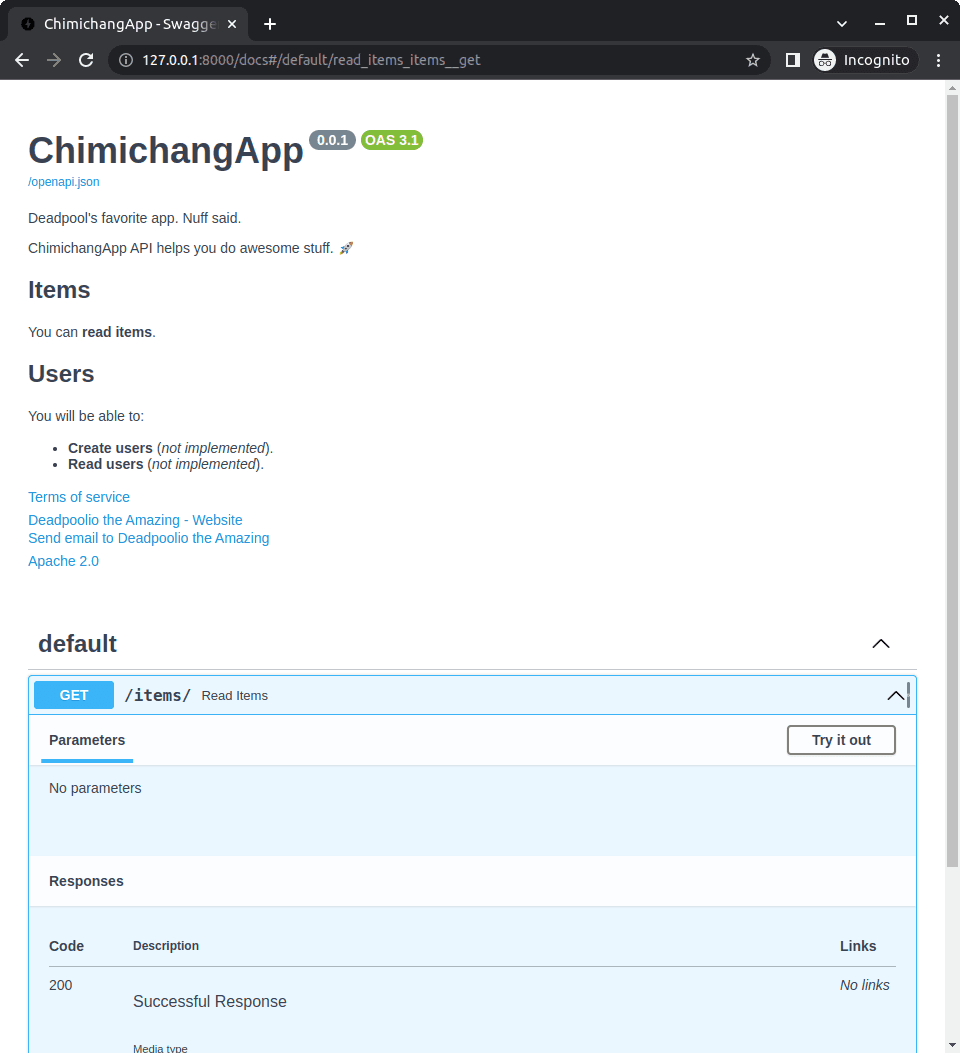
How do you add a title, description, and version to FastAPI auto-docs?
Tests if you know FastAPI's metadata kwargs for OpenAPI docs. Pass title, description, and version to the FastAPI() constructor; Swagger UI and ReDoc render them automatically.
What is FastAPI's TestClient and how does it differ from requests?
Tests if you know TestClient runs pytest against the app directly without a live server. Good answers note its HTTPX-based Requests-like API, passing the FastAPI app into the client, and simple asserts. Red flag: saying you need a running server and real URLs.
How do you test a FastAPI GET endpoint with pytest and TestClient?
Import TestClient and app, write a test_ function, call client.get("/items/1"), assert status_code == 200 and json() matches expected data.
Purpose of await next(request) in FastAPI middleware and timing effects
Tests ASGI middleware lifecycle. await next(request) forwards the request downstream to the endpoint and returns the response. Pre-call code touches the request; post-call code touches the response.
How do you send an email without blocking a FastAPI request?
Tests knowledge of FastAPI's BackgroundTasks for post-response work. Strong answer: import it, inject into the endpoint, define a task function, and call add_task before returning.
We are hiring for this. Every open role lists the topics its interview covers, so you can prepare for the real thing rather than guessing.
See open roles