More in Backend Dev — page 55
The Relational Model: Data as Simple Tables
The relational model organizes data into simple tables (relations) of rows (tuples), forming the foundation of SQL databases. It's used for structured data where consistency is critical, like in banking.
Primary Keys: The Unique ID for Every Row
A primary key is like a social security number for a database row, uniquely identifying it. It's used to reliably fetch records and link related data across tables. The footgun is using a natural key, like an email address, that might change over time.
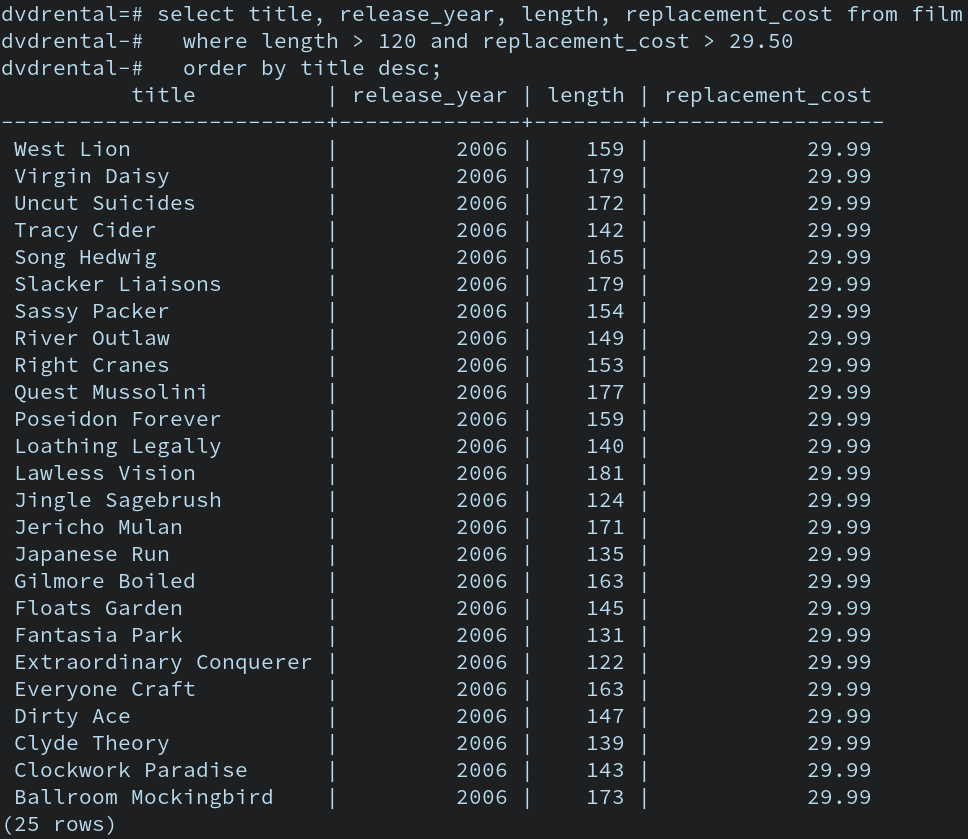
DBMS: The Software That Runs Your Database
A DBMS is the software engine that manages a database, separating your app from raw data files. You use it to query, update, and administer data, like with PostgreSQL or MySQL. The common footgun is confusing the DBMS with the database itself.

Top 10 FastAPI interview questions for senior roles
FastAPI interview questions rarely test syntax. They probe whether you understand its three pillars: ASGI powered async concurrency, Pydantic validation at the request boundary, and the Depends dependency injection graph that wires services together.

Async SQLAlchemy 2.0: the mental model that clicks
SQLAlchemy's async support is a bridge, not a rewrite. AsyncSession and AsyncEngine still run the same synchronous ORM internals underneath, inside a lightweight greenlet, and only hand control back to the event loop at the moment a real database call happens.