Everything in Cloud Platforms, page 12
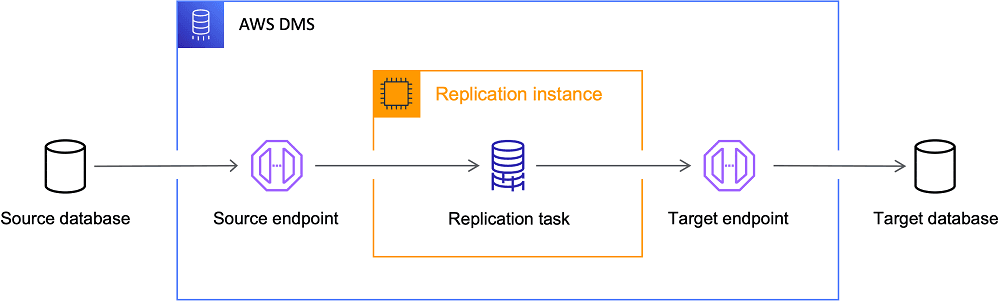
AWS DMS: Automating Database Migrations
AWS DMS automates moving data between databases, not just as a simple data pump. Use it for one-time migrations to the cloud or for continuous replication. The footgun is assuming DMS also converts your schema; for different engines, you must use the Schema…
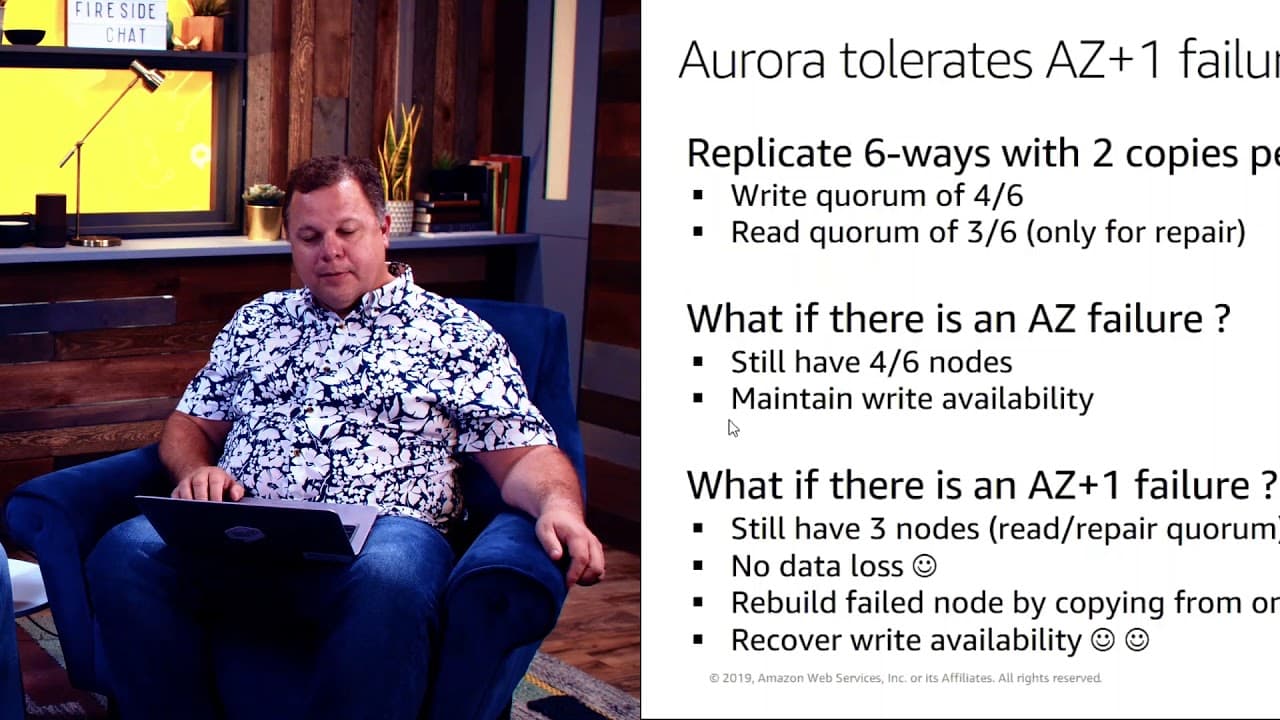
Global Database: One Logical DB, Multiple Regions
A global database is a single logical database that spans multiple geographic regions, providing fast local reads and disaster recovery. It's used for apps with a worldwide user base that must survive regional outages.
Managed Time Series Databases (TSDB)
A managed time series database is a hosted service optimized for data with a timestamp. It's used for application monitoring, IoT sensor data, and financial analytics. The main footgun is using a general-purpose database, which fails at high-volume writes.
Managed Graph Databases: When Relationships Are the Data
A managed graph database models data as nodes and edges, making relationship-heavy queries fast. Use it for social networks, fraud detection, or recommendations.
Cloud Data Warehouse: Analytics Without the Hardware
A cloud data warehouse is your company's analytical brain, but without the hardware headache. It separates storage and compute, letting you query massive historical datasets from sales, marketing, and ops.
Serverless Databases: Pay for Use, Not for Idle
A serverless database automatically scales compute and storage based on demand, from zero to massive, without you managing any servers. Use it for spiky, unpredictable workloads to avoid paying for idle capacity.
Managed In-Memory Data Store: Speed Without the Sysadmin
A managed in-memory store is a high-speed valet for your data, sitting between your app and database to serve requests at microsecond latency. Use it for database acceleration or session stores. The footgun is treating it as a permanent database.

Managed Document Databases: Your Data, Their Ops
A managed document database is like a fully-staffed warehouse for your data. You store JSON-like objects, and the provider handles security, maintenance, and scaling. It's the default for cloud apps, but the convenience isn't free—watch for surprise bills.
Managed Key-Value Databases: Scaling Without Server Chores
A managed key-value database is like an outsourced dictionary. You give it a key, it returns a value, and the cloud provider handles all scaling and server management. It's used for session stores or user profiles where you need fast lookups by a known ID.

Database Multi-AZ: High Availability vs. Read Scaling
Multi-AZ deployment is like a hot spare database in another datacenter for automatic failover. It's for critical systems where downtime is costly. The footgun is assuming all standbys serve reads; only the 'cluster' type does, not the 'instance' type.
Managed Database Backups: Your Cloud's Undo Button
Think of managed backups as your cloud provider's automated safety net for your database. It periodically saves snapshots, letting you restore to a point in time after a failure.
Securing Cloud Database Endpoints
Treat your database endpoint like a public API, even if it's "internal." A Zero Trust approach verifies every connection request, granting access based on identity and context, not network location. This prevents unauthorized data access, a top cloud threat.
Managed Databases: Let the Cloud Handle Ops
A managed database is like leasing a car with a full-service plan instead of fixing it yourself; you trade control for convenience. This is the model for AWS RDS or GCP Cloud SQL.
Cloud Compliance Frameworks: Security as a Standard
Think of a cloud compliance framework as a standardized rulebook for security. It translates broad security goals into specific, auditable controls, providing a checklist to prove your cloud environment is secure to regulators and customers.
Data Sovereignty: Your Data's Legal 'Citizenship'
Data sovereignty means data is subject to the laws of the country it's in; data residency is storing it there to comply. This is critical for apps in regions with strict laws like the EU's GDPR. The footgun is confusing residency with full legal compliance.
CSPM: A Single Pane of Glass for Cloud Security
A CSPM is a single pane of glass for your cloud security, continuously scanning all assets for misconfigurations. It unifies security data across multi-cloud environments, replacing disparate tools.
Zero Trust: Never Trust, Always Verify
Zero Trust assumes no user or device is safe by default, even on a 'trusted' corporate network. It's like needing a keycard for every door, not just the front gate. The biggest mistake is thinking you can buy a 'Zero Trust' product; it's a strategic.
DDoS Mitigation: Surviving Traffic Floods
DDoS mitigation acts like a smart bouncer, learning your app's normal traffic to block malicious floods. It's used for any public internet endpoint, filtering attacks at the network and transport layers (L3/L4).
Identity Federation: One Login for Many Services
Identity federation lets one trusted system vouch for a user's identity to many apps, like using a driver's license at multiple venues. This powers "Sign in with Google" and corporate SSO, but don't confuse it with simple user directory syncing.
Cloud Audit Trail: The 'Who Did What' Record
Think of a cloud audit trail as security camera footage for your infrastructure, recording who did what, where, and when. It's essential for investigating security incidents, proving compliance, and debugging operational issues.
We are hiring for this. Every open role lists the topics its interview covers, so you can prepare for the real thing rather than guessing.
See open roles