Intermediate concepts in Content & Copywriting

The Inverted Pyramid: Lead with the Conclusion
Lead with the conclusion, then add details in decreasing order of importance. This structure ensures readers get the main point even if they stop reading early. It's crucial for news, bug reports, and docs. The footgun is burying the lede in context.

The PAS Formula: Turn a Reader's Pain into a Purchase
The PAS formula turns pain into a purchase by stating a problem, making it feel worse (agitating), then offering your product as the solution. It's used in ads and landing pages where you need to be persuasive fast.
Brand Voice vs. Tone: Personality vs. Mood
Think of voice as your brand's consistent personality and tone as its mood, which adapts to the situation. This distinction guides all copy, from celebratory emails to error messages. The main footgun is forcing one tone, like humor, everywhere.

Cialdini's Principles: The Science of Persuasion
Persuasion isn't an art; it's a science based on six universal principles for building relationships. Use them to ethically increase profits in business or get a "yes" in daily life, like asking a neighbor for a favor.

The Hero's Journey: A Blueprint for Compelling Stories
The Hero's Journey is a narrative blueprint: a character leaves their world, overcomes a crisis, and returns transformed. It's the structure behind blockbuster films and persuasive case studies.
Audience Segmentation: Stop Shouting at Everyone
Instead of one message for your entire market, audience segmentation creates tailored messages for specific subgroups. It's used in email and ads to boost relevance and profit. The footgun is over-segmenting into groups too small to be profitable.
User Interviews: Uncover Needs, Not Just Test Designs
User interviews are structured conversations to understand the 'why' behind user actions, not just 'what' they do. Use them in discovery to learn user motivations and pain points, informing personas and journey maps.

Keyword Research: Find What Users Actually Search For
Keyword research is reverse-engineering user demand. Instead of guessing, you find the exact phrases people search for. It's crucial for SEO and content strategy, ensuring your work meets real needs.
Social Listening: Tracking Unsolicited Customer Feedback
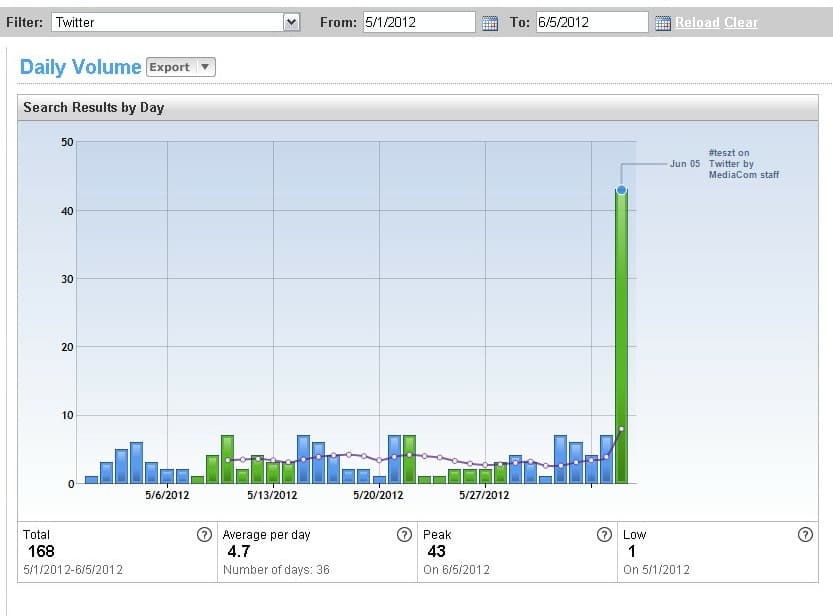
Social listening is like being a fly on the wall, hearing what customers say when you're not asking. Marketers use it to track brand sentiment and find pain points. The footgun is just counting mentions instead of analyzing the 'why' behind them.

Focus Groups: A Guided Conversation, Not a Survey
A focus group is like a guided dinner party for your product. You gather a small, specific group to discuss a concept, revealing qualitative insights and group dynamics that one-on-one interviews miss. It's for exploring 'why,' not measuring 'how many.'
Brand Messaging Framework: From Core Idea to Consistent Copy
A brand messaging framework is your company's playbook for communication, ensuring every piece of copy expresses the same core personality and value. It guides website copy, sales pitches, and social media, keeping your team aligned.
Brand Archetypes: Connecting via the Collective Unconscious
Brand archetypes apply universal patterns from myths (Jungian archetypes) to give a brand a familiar personality. This creates an emotional shortcut, making the brand feel instantly recognizable.
Style Guides: The DNA of Consistent Writing
A style guide is the source code for your brand's voice—a rulebook for writing, formatting, and design. It's used to create a unified experience across marketing, product, and docs.
Tagline vs. Slogan: Company Identity vs. Campaign Message
A tagline is your company's permanent mission statement (Nike's "Just Do It"). A slogan is a temporary message for a specific ad campaign. This clarifies brand strategy, ensuring long-term identity isn't diluted by marketing.

Topic Cluster Model: Organize Content for SEO Authority
The topic cluster model organizes your site like a bookstore, with a main 'pillar' page for a broad topic and 'cluster' pages for subtopics. This signals expertise to search engines, helping you rank higher and appear in AI answers.
Content Audit: Taking Stock of Your Website's Assets
A content audit is like a physical inventory for your website, cataloging every page and asset to decide what to keep, improve, or discard. It's crucial before a site redesign or migration. The footgun is treating it as a one-off project.
Content Gap Analysis: Find and Fill Your Content Holes
A content gap analysis is like scouting your competitors' playbook to find winning topics you're not covering. Use it to find keywords they rank for but you don't, helping you capture their traffic.

Content Mapping: Charting the Customer Journey
Content mapping plots your content against the customer journey, ensuring you provide the right information at the right time. It's used to move from random content acts to a strategic plan that answers customer questions at each stage, from awareness to…
Long-Tail Keywords: Winning with Specificity
Long-tail keywords are specific, multi-word search queries. While each has low traffic, they collectively form the majority of search volume. Use them to target niche audiences with high intent, like 'waterproof hiking boots for wide feet' instead of 'boots'.

Internal Linking: Your Site's GPS for Users and Bots
Think of internal links as a GPS for your website, guiding users and search engines to important content. It's crucial for SEO, helping bots discover pages and keeping users engaged. Neglecting this creates "orphan pages" that search engines may never find.
We are hiring for this. Every open role lists the topics its interview covers, so you can prepare for the real thing rather than guessing.
See open roles