Intermediate concepts in Databases & Architecture, page 3
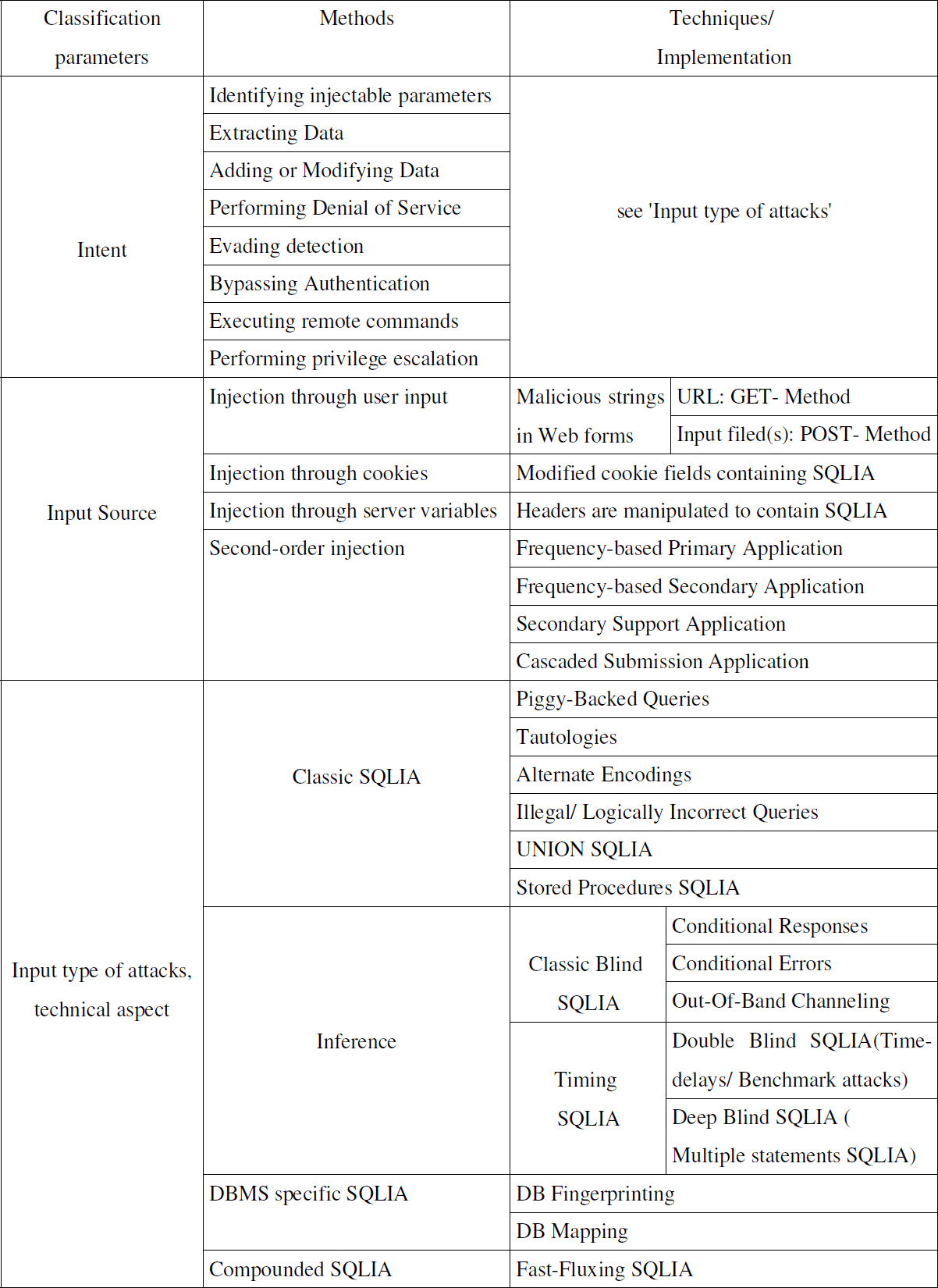
SQL Injection: When User Input Becomes a Command
SQL injection tricks a database into running unintended commands by sneaking them into user input. It's a common attack on websites where user data is directly stitched into SQL queries. The footgun is trusting input; always use prepared statements instead.
ORM: The Virtual Object Database Layer
ORM converts data between relational databases and object-oriented program memory, creating a virtual object database inside your code. The footgun is designing object models that ignore the relational structure, forcing awkward translations you never see.
The Object-Relational Impedance Mismatch
The Object-Relational Impedance Mismatch is the friction between how SQL databases see data (tables, rows) and how OO code sees it (objects, inheritance). It's the core problem ORMs solve. The footgun is thinking an ORM makes the database disappear.
SQL Query Builders: Write SQL Without Writing SQL
An SQL query builder is a translator for your database, converting visual clicks or chained code methods into raw SQL. It's used to write safer, database-agnostic code or to let non-technical users build queries. The footgun is generating inefficient queries.
Database Cursors: Row-by-Row Result Processing
A database cursor is an iterator for a query's results, letting you process a large dataset one row at a time. It's for batch jobs on huge record sets that would otherwise crash your app.
ORM Lazy Loading: Defer Queries Until Needed
An ORM's lazy loading fetches related data only when you access it, not with the initial query. This speeds up the first query if you don't need related objects. The footgun is the N+1 problem, where a loop triggers many hidden, slow database queries.

Compute & Storage Separation: Scale One Without the Other
This architecture treats your data warehouse (cheap storage) and query engine (expensive compute) as separate services. You can scale compute for peak demand without overprovisioning storage.
Amazon Aurora: AWS's Proprietary Relational Database
Amazon Aurora is a proprietary relational database from AWS, offered as part of the Amazon Relational Database Service (RDS). It provides a managed database solution within the AWS cloud ecosystem, available since October 2014.
Amazon DynamoDB: Scalable NoSQL as a Service
Think of DynamoDB as a database where you trade complex queries for near-infinite, hands-off scaling. It's a managed NoSQL service from AWS for key-value and document data, built for high-performance applications.
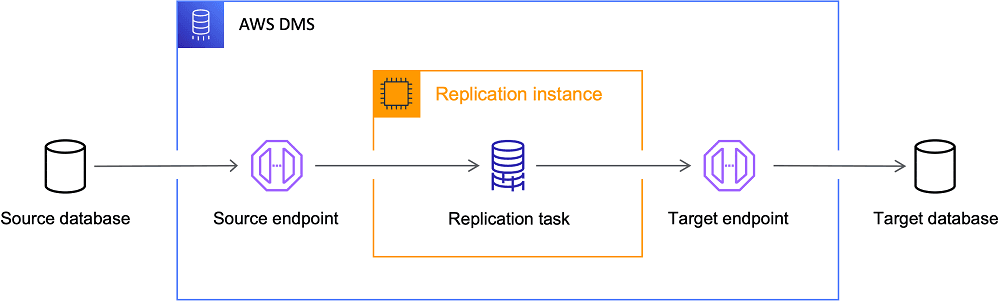
AWS DMS: Your Managed Database Migration Engine
AWS DMS is a managed service for migrating databases. It acts like a replication server you point at a source and target, handling the data transfer. It's used for one-time migrations to AWS or for continuous replication.
Schema Evolution: Changing a Live Database Without Outages
Schema evolution is like renovating a house while you live in it: you must change your database's structure without breaking the live application. This is critical when adding or renaming columns.
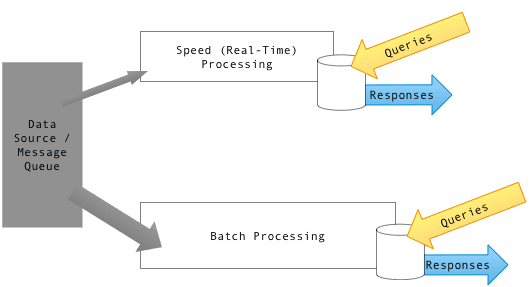
Lambda Architecture: Batch + Stream for Big Data
Lambda Architecture handles massive datasets by combining slow, accurate batch processing with fast, real-time stream processing. It's used for analytics needing both historical and live views.
Delta Lake: Database Reliability for Your Data Lake
Delta Lake adds a transaction log to your data lake, giving you database-like reliability over raw files. This enables ACID transactions, schema enforcement, and unified batch/streaming pipelines.
Windowing: Taming Infinite Data Streams
Windowing chops infinite data streams into finite chunks for aggregation, like counting clicks per minute. It's essential for real-time dashboards, fraud detection, and IoT sensor analysis. The main footgun is mishandling late data by confusing event time vs.
Full-Text Search: Beyond Simple String Matching
Full-text search isn't just string matching; it's a search engine for your data that understands language. Use it for e-commerce search or log analysis. The footgun is thinking a simple LIKE query is a substitute for a real search engine like Elasticsearch.
Cache Eviction: Deciding What to Forget
A cache eviction policy is the rule for discarding data when fast-access memory is full. This is crucial for databases and CDNs. The common mistake is assuming one policy, like LRU, fits all workloads, which can cripple performance on certain access patterns.
Faceted Search: Guided Drill-Down for Large Datasets
Faceted search turns a massive result list into an interactive drill-down experience, like the filters on a shopping site. It's used in e-commerce and document libraries where items have structured attributes.

Downsampling: Trading Precision for Storage in Time Series Data
Downsampling trades precision for storage in aging time series data. It's like summarizing old notes: you keep key trends but discard granular details. This is vital for observability systems that need recent precision but only coarse historical views.
Semantic Search: Finding Meaning, Not Just Keywords
Semantic search finds meaning, not just keywords. It's like asking a librarian for 'books about space travel' and getting results for 'astronaut biographies,' not just titles with the exact words. It's used in search engines to find conceptually related items.
Optimizer Hints: Backseat Driving Your Database
An optimizer hint lets you override the database's query plan, like telling a GPS which street to take. Use it as a last resort when you know more than the optimizer, but beware: hints can become performance traps when data or schemas change.
We are hiring for this. Every open role lists the topics its interview covers, so you can prepare for the real thing rather than guessing.
See open roles