Concepts in Design & UX, page 28
Strategic Foresight in UX
UX foresight is a telescope: it maps where behavior is heading so you avoid building winners that soon become obsolete. Deploy it when roadmapping multi-year platforms. The trap is treating scenarios as predictions rather than assumption stress-tests.
Figma File Covers as Status Billboards
A Figma cover page turns your file thumbnail into a status billboard, showing if a design is draft or ready for dev without opening it. Teams with many files use covers as scannable dashboards. Outdated badges send developers hunting for nonexistent specs.
Component Definition of Done: The Shipping Checklist
Component Definition of Done is the checklist that turns UI code into a team dependency. It covers a11y, tokens, tests, and docs so teams can adopt without asking questions. Stopping at code-complete is the footgun; orphans silently fracture systems.
Statement of Work (SOW): Defining 'Done' for a Project
An SOW is the project's blueprint, translating a goal into a concrete plan of activities, deliverables, and timelines. It's used when engaging vendors to ensure both sides agree on the scope. The footgun: a vague SOW invites scope creep and disputes.
Research Office Hours: A Drop-In Clinic
Research office hours are a drop-in clinic for product questions, offering expertise without a project brief. Teams use them to gut-check methods or interpret data fast. The trap is drop-ins replacing prioritization and making researchers reactive support.
Figma Branch Reviews: Merge Gates for Design
A Figma branch review is a merge gate: reviewers diff changes against main and approve before merge. Use it when designers share a system or a lead must sign off. The footgun is rubber-stamping and missing broken component links that corrupt the main file.
ADR: Capture Context, Not Just Conclusions
An Architecture Decision Record captures why a significant technical choice was made, so teams understand trade-offs without relitigating them. Use it when a decision is costly to reverse or crosses team boundaries.

Ghostwriting Agreement: Who Owns the Words?
A ghostwriting agreement legally transfers authorship from the writer to a credited person. It's used when an expert has ideas but not the time or skill to write, ensuring the final work is legally theirs.
Dynamic Counter: State in Figma
A dynamic counter wires a number variable to a text layer, letting taps change the value. Use it for quantity steppers or pagination in prototypes. The footgun is skipping the text-to-variable binding, so clicks fire but the on-screen number never updates.
Release Cadence: The Design System Heartbeat
Release cadence is the heartbeat of a design system: a fixed shipping rhythm that lets teams plan upgrades instead of absorbing random change. It is vital when many squads share a library.

Work for Hire: Who Owns What You Create?
Work for Hire makes the employer or client the legal author of a creation, not the person who made it. This is standard for employees' work and can apply to freelancers via contract. The footgun: without a specific agreement, freelancers own what they create.
Figma Boolean Variables: State Without Variant Sprawl
A boolean variable is a light switch for your component: one true/false value reveals badges or loaders instantly. Use it for binary states like visibility across a system. The trap is wiring too many switches into one component, making debugging a hunt.
Design System Roadshow: The Internal Campaign
A design system roadshow treats adoption as a political campaign, not a product launch. You visit every squad to demo components, surface fears, and co-build trust.

Author Platform: Your Reach to Sell Books
An author platform is your ability to sell books based on who you are and who you can reach. For nonfiction authors seeking a publisher, it's a non-negotiable proof of visibility with a target audience.
Figma Variable Modes for Multi-Context Theming
Variable modes let a single token hold different values for different contexts, like light and dark themes. Apply a mode to a frame and every token inside swaps instantly. The footgun is treating modes as component states, which creates a combinatorial mess.
Pair Programming Drives Design System Adoption
Pair programming with the system team embeds design system knowledge directly into product code. Use it when a squad ships their first feature with new tokens or components. The footgun is treating the session as code review rather than knowledge transfer.

Choosing Your Freelance Business Structure
Choosing a business structure defines your personal liability and tax obligations. This decision is a key step when launching your business, along with registering your name, getting tax IDs, and opening a business bank account.
Simulate Form Validation in Figma
A form prototype is an interactive script, not a picture. You pre-build every state — empty, typing, error, success — and link them so stakeholders feel validation timing before engineers code it. The trap is logic you cannot maintain across design changes.
NPS for Design Systems: Smoke Alarm, Not Scorecard
NPS for design systems is a smoke alarm for team trust, not a feature scorecard. Poll consuming teams quarterly to catch sentiment drops before adoption stalls. Never benchmark against consumer SaaS; internal tools face forced usage and different expectations.
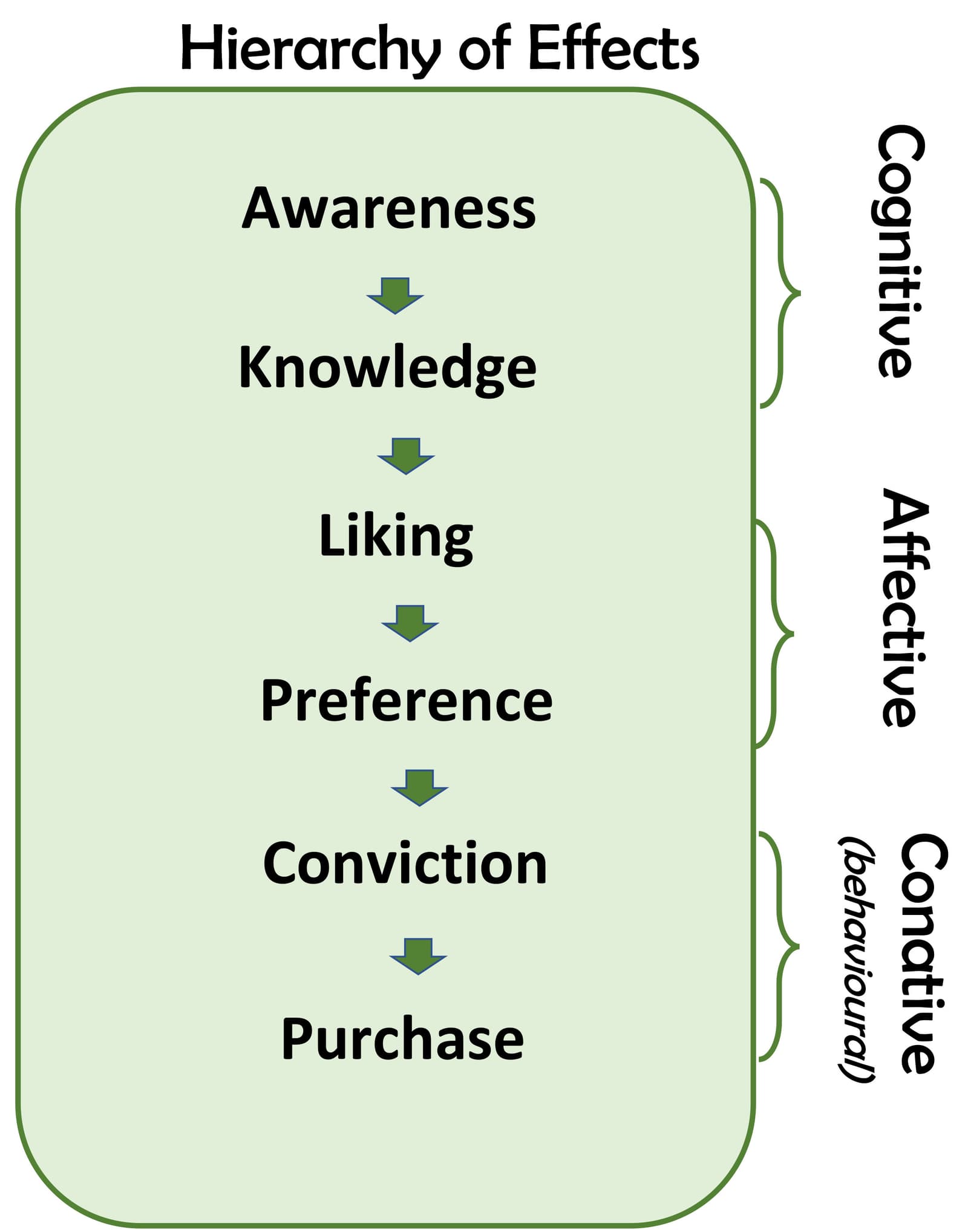
The AIDA Model: A Checklist for Persuasion
The AIDA model is a four-step checklist for persuasive writing: grab Attention, build Interest, create Desire, and call to Action. Use it to structure sales pages or emails to guide a reader from awareness to conversion.
We are hiring for this. Every open role lists the topics its interview covers, so you can prepare for the real thing rather than guessing.
See open roles