Intermediate interview questions in Design & UX, page 14
How would you use variables to calculate a real-time cart subtotal?
This tests reactive state in Figma using variables and expressions. Strong answer: store quantity in a number var, wire to a stepper, compute subtotal as qty times 25, and bind that to text. Red flag: static text or manual updates instead of live computation.
Explain concurrency vs parallelism: junior paragraph, UI tooltip, justify
This tests audience-adaptive technical writing and conceptual precision. A strong answer gives the junior a structural analogy, the UI a one-sentence action metric, and justifies why detail and brevity swap by context.
Using personas to drive technical decisions
Derive constraints like device, network, accessibility from personas; let them shape framework, payload shape, performance budgets.
Tracking design system health across the org
Static AST scanning for component imports and props, lint or detect-one-offs, parse package manifests for version drift, aggregate into a dashboard.
How would you structure variables and expressions for a price configurator?
This tests reactive state modeling in Figma. A strong answer uses a string variable for the base model and booleans for add-ons, binding the price text to an expression that maps the base to its cost and sums active extras.

How would you implement a simple editorial status workflow?
Use ENUM or lookup table for status; enforce transitions in app code or a matrix table; audit actor and timestamp.
Extracting actionable insights from a long report
Start with executive summary and recommendations, trace findings to evidence, filter for engineering-actionable items, confirm with the researcher.
Challenges of a federated contribution model
Federation scales velocity but needs governance, RFCs, contribution guidelines, automated quality gates, and core review.
Design a personalized ad copy pipeline
Identify sources, choose batch versus streaming, generate and deliver copy via APIs.
Describe how you would use variables and conditional logic to simulate input validation
Tests dynamic state management in Figma prototypes. Strong answers use a string variable bound to the password field, check length on submit, and conditionally route to error or success. Red flag: hardcoding static frames without variables.
Instrumenting a feature to validate a qualitative insight
Restate the pain as a hypothesis, define a primary behavioral metric plus guardrails, instrument events, compare against baseline.
Governance for a multi-brand design system
Brand-agnostic core consuming semantic tokens, per-brand token themes, contribution rules blocking brand conditionals in core.
How would you architect interdependent filter variables in a complex dashboard?
Tests reactive variable graphs, not interaction tangles. Strong answers centralize Figma variables, bind component properties to them, and chain conditional actions to derive downstream state. Red flag: duplicating frames instead of using variables and logic.
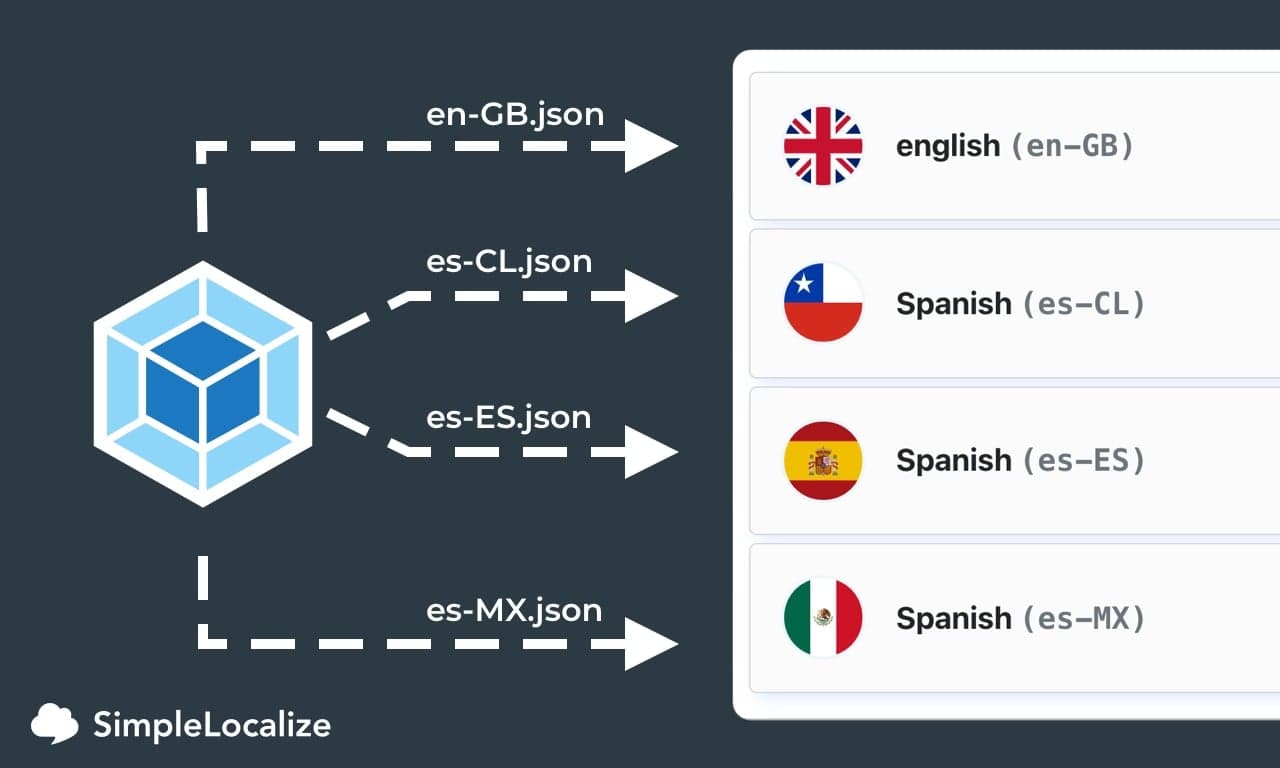
Propose two strategies for lazy-loading SPA localization data
This tests code-splitting for i18n. Strong answers cover: first, per-locale dynamic imports creating separate chunks per language; second, namespace splitting fetching only keys for active UI. Red flag: ignoring bundler chunking or Core Web Vitals impact.
Re-evaluating personas when engagement is low
Bring behavioral evidence, separate persona-wrong from execution-wrong, propose joint research to validate or invalidate.
Managing cross-framework parity in a design system
Shared token and spec source of truth, optional Web Components core, per-framework wrappers, a parity matrix, coordinated releases.
First Figma steps to turn a brief into low-fi concepts
This tests whether you structure IA before pixels. Strong answers audit the brief, map flows with simple frames, block out grayscale wireframes at target breakpoints, and annotate for async review. Red flag: jumping straight to components or color.
Justify static site generator vs CMS for a portfolio site
Matching tool complexity to static publishing needs. Choose Hugo or Jekyll with Git and a CDN; removing runtime databases eliminates per-request latency and PHP exploit surfaces.
Automating research participant recruitment and scheduling
Screener intake, eligibility matching, calendar booking, notifications, incentive payout; handle no-shows and idempotency.
Automating design system standards enforcement
Custom ESLint and Stylelint rules for tokens and APIs, a11y testing with axe, editor and pre-commit hooks, blocking CI gates plus visual regression.
We are hiring for this. Every open role lists the topics its interview covers, so you can prepare for the real thing rather than guessing.
See open roles