Intermediate interview questions in Design & UX, page 6
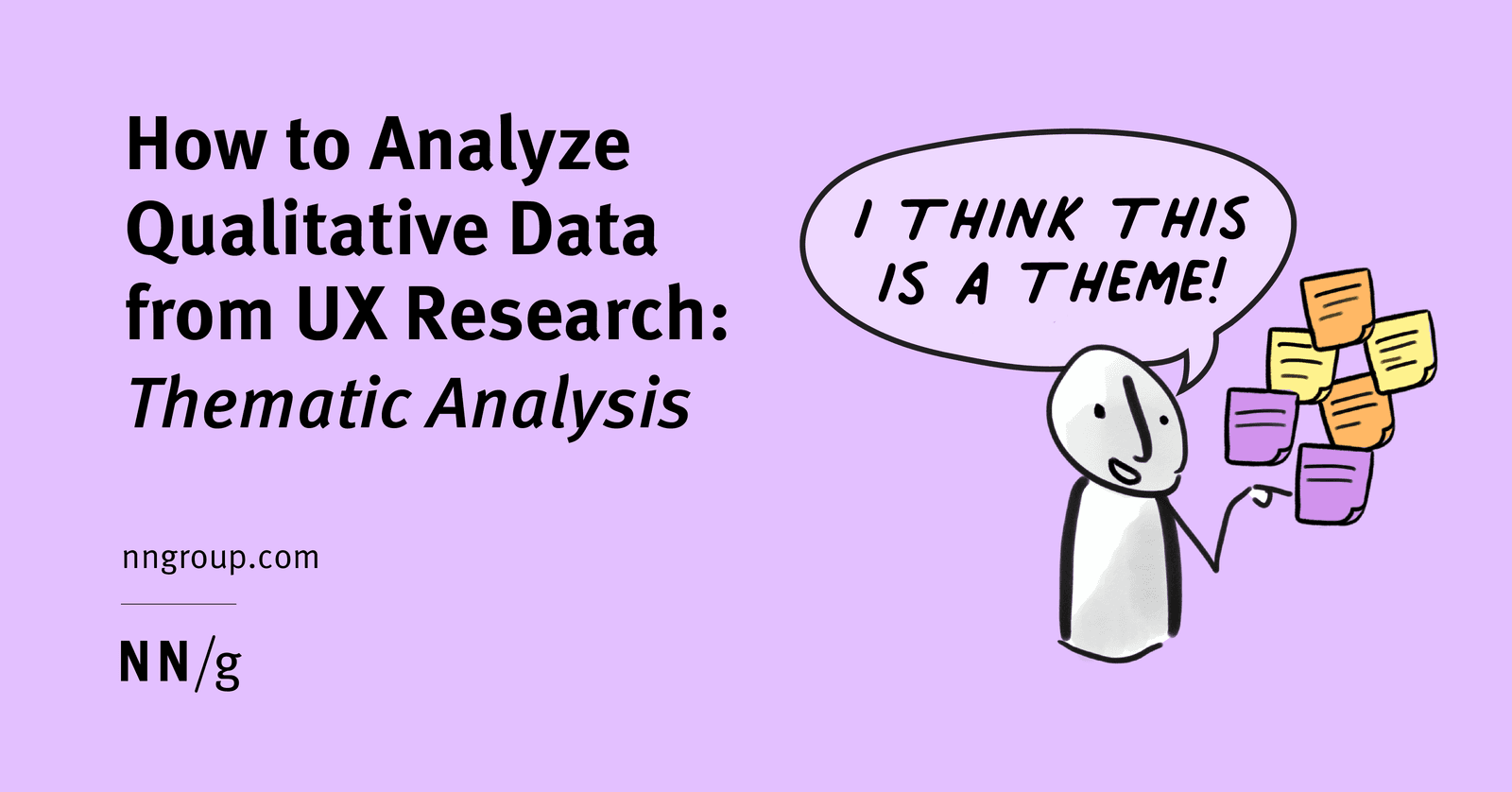
How do you handle a powerful emergent theme outside original research questions?
Validate recurrence and density, weigh timeline and goals, then document separately, expand formally, or park.
How does email open and click tracking work?
This tests beacon and redirect mechanics plus event schema design. A strong answer covers a 1x1 pixel fetched on open, a redirect link that logs then forwards, and data like IP, timestamp, and UA. A red flag is omitting image blocking or privacy implications.
What conflicts occur when two designers edit shared styles simultaneously?
Tests real-time style propagation. Strong answers note Figma instantly updates every linked object, so uncoordinated color edits surprise the second designer. Best practice: agree on ownership and publish via the team library.
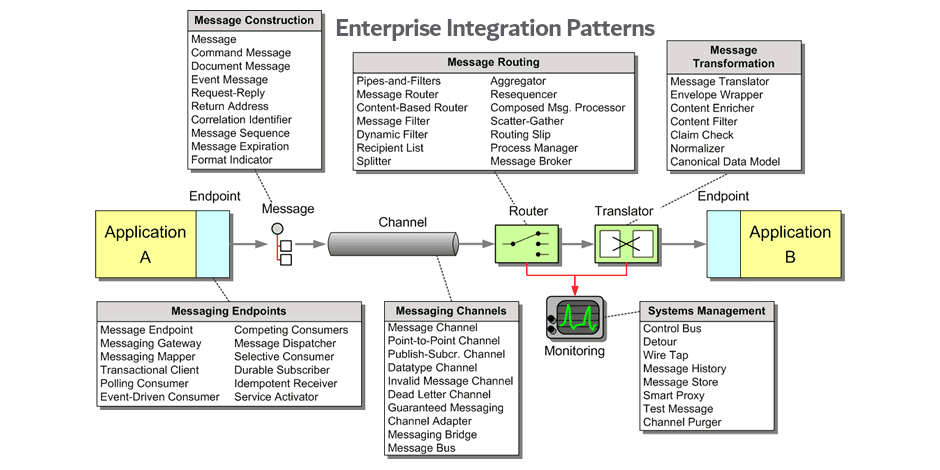
How would you design an idempotent order confirmation email sender?
Tests preventing duplicate side effects in distributed systems. Strong answers use deduplication keys, idempotency windows, and distinguish client retries from broker redelivery. Red flag: using a read-before-write check without unique constraints or TTLs.
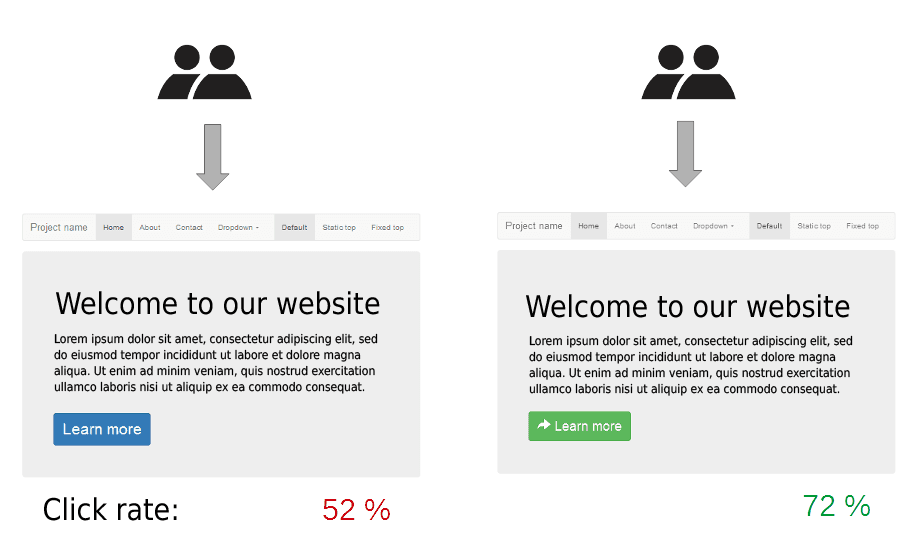
Architect email subject line A/B testing for a large user base
Tests distributed systems and statistical rigor. Covers deterministic user bucketing, isolated variant delivery, deduplicated tracking, and pre-powered significance. Red flag: daily re-randomization or using open rate without confidence intervals.
Classifying a visually breaking padding change
A layout-shifting padding change is effectively breaking, so major; release with visual diffs, a migration note, and a token or opt-in path.
How would you conditionally enable Submit after checking a terms checkbox?
Tests Figma advanced prototyping with boolean variables and conditionals. Strong answer: create a boolean for checkbox state, set it on click, then conditionally enable Submit only when true.
Designing a component deprecation process
Announce with a replacement and timeline, mark deprecated with runtime and lint warnings, provide codemods, then remove only in a major release.
How do you populate one overlay for three profiles using variables?
Tests Figma variables and advanced prototyping. Use Set variable actions on each profile to update a string variable bound to a single overlay's name, plus instance swap for the avatar, then open that overlay.
Confidence intervals versus p-values, explained simply
Define a CI as a plausible range for the true effect with its precision, contrast it with a binary p-value, and read [-1%, 7%] as inconclusive because it spans zero.
Governance model for specialized contributions
Define a governance model, RFC and shared-need gate, tiered intake (core vs community), CI and CODEOWNERS review, then versioned release.
How many users do we need to survey?
Tests pragmatism over guesswork. A strong answer asks if this is a census or sample, population size, whether stratified or multi-group designs apply, and cost, time, and power constraints. Red flag: blurting a number without probing scope, design, or budget.
How do you change a nested Button's state from a Card instance?
Tests knowledge of nested component properties in Figma. A strong answer adds a variant property to the nested Button inside the Card main component so its state appears in the Card instance panel.

What is the multiple comparisons problem in UX research?
This tests whether you know running many tests inflates false positives. Strong answers define family-wise error, give a UX example like comparing twenty metrics in one A/B test, and name a correction like Bonferroni.
Designing a UI consistency score
Combine signals like token vs hard-coded values, design-system vs off-system components, and override rates, then automate via AST scans and CI.
Outline the architecture of a Dynamic Creative Optimization system
Tests distributed system design for combinatorial ad optimization. A strong answer maps a creative asset service, combination engine, real-time ad server with A/B testing, performance feedback pipeline, and campaign config UI.
Quantifying migration cost for a major release
Pre-release, scan codebases for affected usages and estimate engineer-hours; post-release, track actual upgrade lead time and effort.
How do you attribute a delayed direct conversion to original ad copy?
Persist copy IDs in first-party cookies at landing, read at conversion to fire server-side events in a 90-day window.
Automatically moderate user-generated ad copy
A layered pipeline of fast keyword/regex filters plus an ML text classifier, with human review for borderline cases.
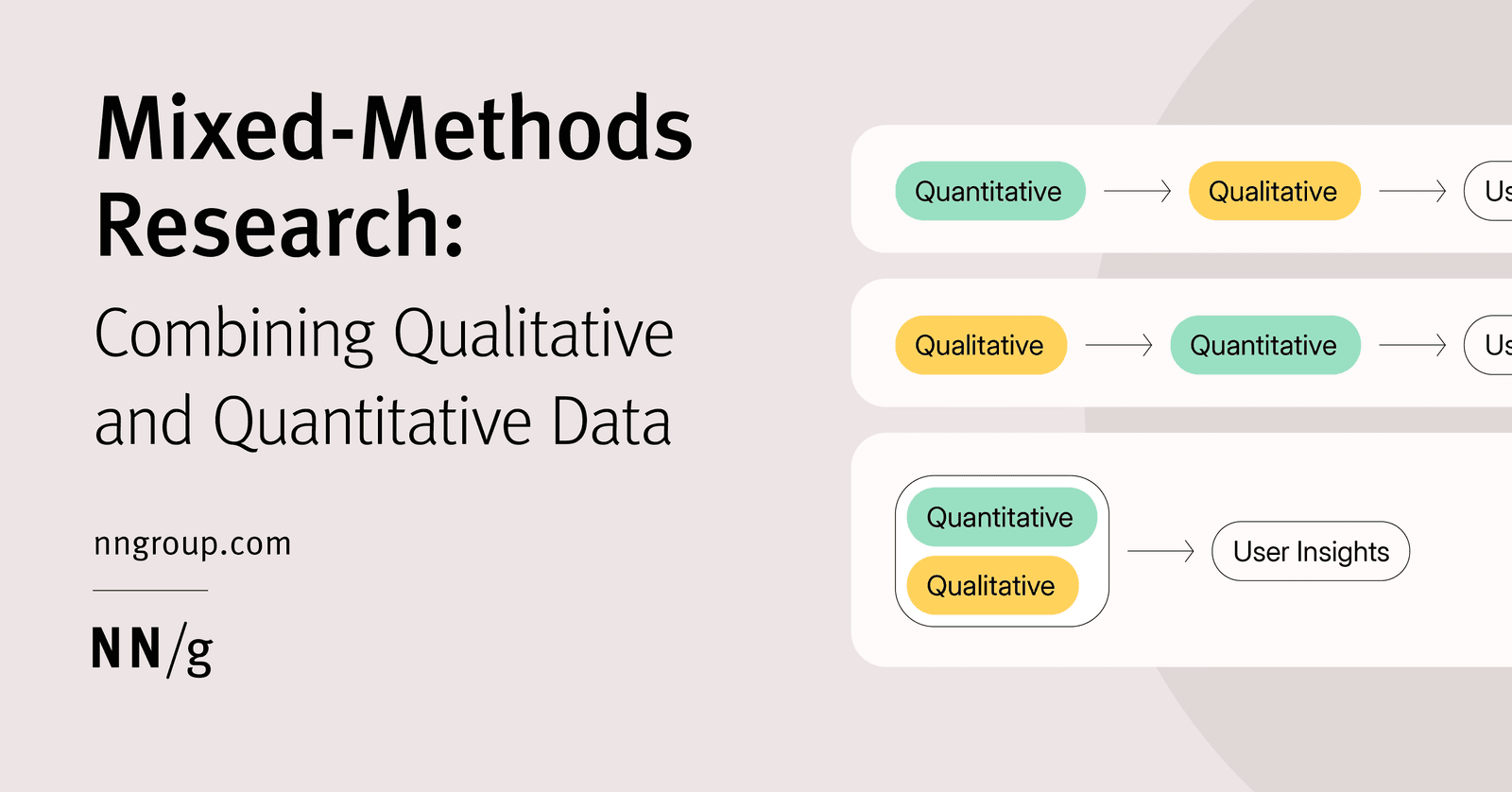
How do you reconcile conflicting qualitative stories with quantitative data?
Integrating mixed-methods without picking sides. A strong answer triangulates definitions, scope, and timing; uses qualitative context to explain outliers; and treats conflict as a signal to dig deeper.
We are hiring for this. Every open role lists the topics its interview covers, so you can prepare for the real thing rather than guessing.
See open roles