Interview questions in Design & UX, page 18
Modeling a confirmation action for voice
Model confirmation as a modality-agnostic intent, add voice tokens (prompts, accepted phrases, reprompts, timeouts), and map intent to each modality.
Manage localized copy across many A/B tests
A keyed versioned string store, a translation workflow with per-locale status, and pooling or hierarchical analysis for small languages.

What instrumentation would you add to validate the user's 'job'?
This tests whether you instrument for intent and struggle, not vanity metrics. Strong answers log pre-export context, abandonment flows, post-export file usage, and workaround signals.
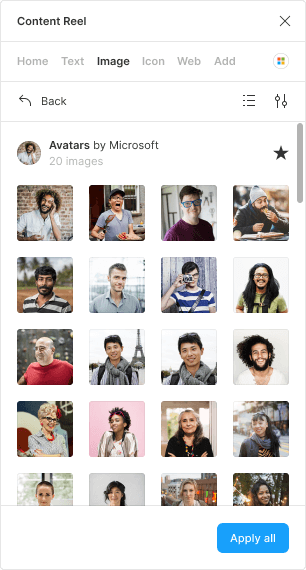
Which Figma plugin populates tables with realistic user data?
Tests Figma content automation. Name a plugin like Content Reel, select layers to apply text strings and image collections for names, emails, and avatars at once, and cite grouped content to keep rows aligned. Red flag: manual entry or mismatched placeholders.
Performance trade-offs of abstracting native UI
Bridge/serialization overhead, JS-thread bottlenecks for lists, and mitigations like virtualization, native modules, and profiling both threads.
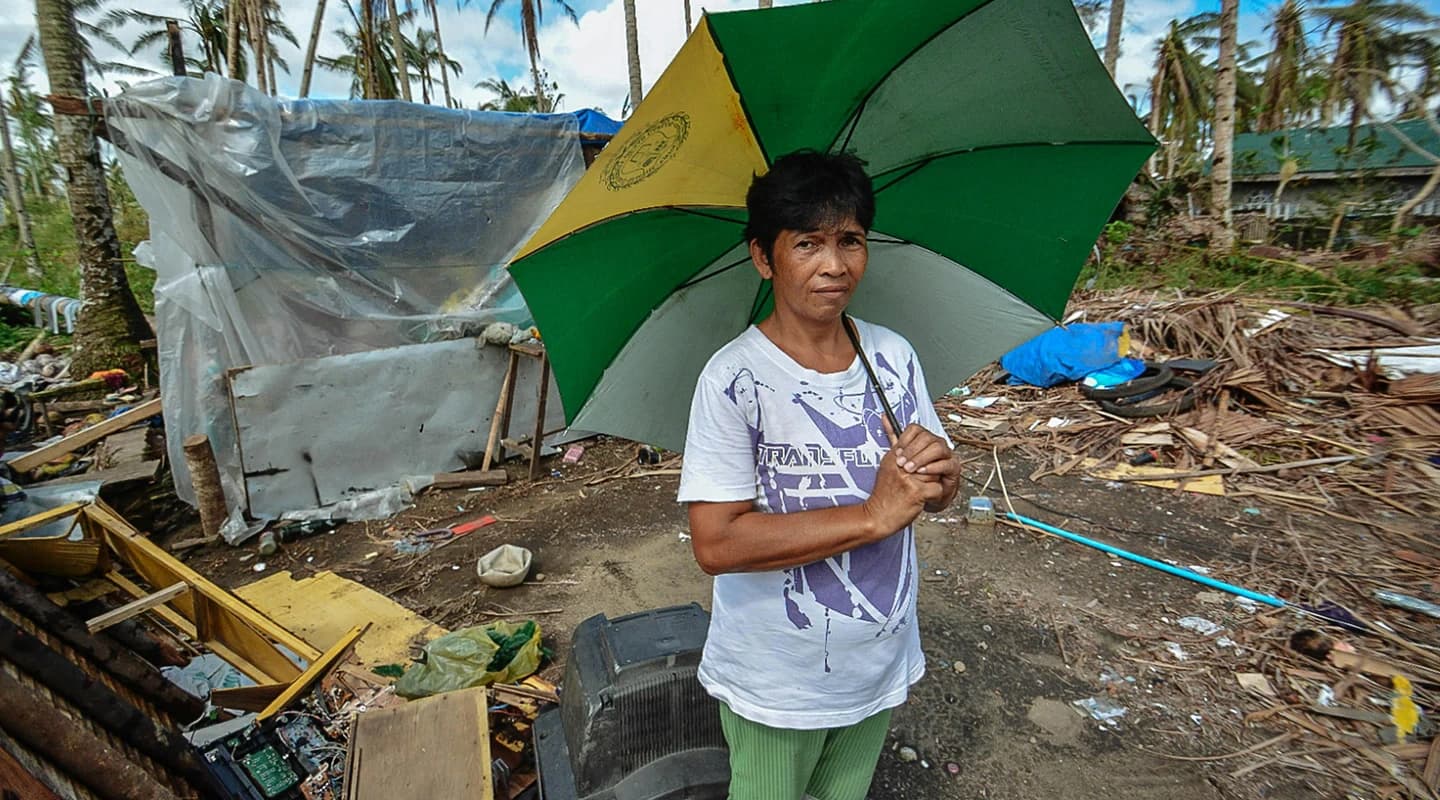
How would you mitigate latency in a low-bandwidth remote usability study?
Tests planning for 2-5Mbps rural 3G research constraints. Strong answers cover: lightweight prototypes with compressed assets; 3G-throttled environments plus backup comms; data-cost compensation. Red flag: heavy screen-share tools without offline fallbacks.
How do you use boolean properties for optional icon and chevron?
This tests Figma boolean properties for avoiding variant explosion. A strong answer toggles icon and chevron visibility on one component for all four states. A red flag is creating variants for every permutation or manually hiding layers on instances.
How do you diagnose a confounded A/B test with slower page load?
This tests confounding beyond p-values. A strong answer isolates the bug, checks if slower load hurt or helped conversions, and judges whether copy or latency caused the lift. A red flag is defending a 5% win because p < 0.05 while ignoring randomization.
Manage light and dark themes with Variables and Modes
Separate primitive and semantic variables, define light and dark modes in one collection, and bind UI fills to semantic tokens.
Governance to keep platforms from diverging
A federated model with central stewards plus platform reps, an RFC process, and contribution rules.
Design a globally compliant, low-latency research backend architecture
Partition by region with local storage, ingest at the edge, aggregate anonymized metrics cross-border.

Track a 'Request a Demo' button click
End-to-end click instrumentation. A strong answer covers: a DOM listener on the button, a custom event name like request_demo, and a payload with page path and button ID.
Token architecture for multi-modal alerts
A semantic alert concept with per-modality token groups (visual, voice, haptic) under one name, single source of truth, and platform transforms.

How would you integrate user research into agile sprints without disrupting velocity?
Tests embedding continuous discovery into agile rather than front-loading research. Strong answers mention parallel tracks, backlog stories derived from insights, and lightweight discount-usability methods.
How do you structure and maintain a Figma component library for scale?
This tests scalable Figma architecture bridging design and engineering. Strong answers cover atomic structure, variant booleans, auto-layout, and Dev Mode docs. Red flag: treating Figma as static mockups without properties or naming conventions.
How would you track which headline wins in an A/B test?
Tests end-to-end experiment instrumentation across the stack. Outline: deterministically bucket users, serve variant A or B, emit click events, and aggregate by variant.
Refactor a legacy UI for accessible DOM flow
Align DOM order with reading order, use semantic landmarks and headings, and ensure a sensible tab order with managed focus.
Challenges of breaking changes in a design system
Technical (semver, codemods, coexistence) and organizational (comms, migration support, timelines) challenges.
Measure active engagement time accurately
Accumulate time only while the tab is visible and the user active, via Page Visibility and activity events; flush with sendBeacon on unload.

Describe lightweight user validation without a dedicated researcher
This tests if you value direct user feedback over expert-only evaluation without researchers. A strong answer covers recruiting fresh users and observing real use for intuitiveness.
We are hiring for this. Every open role lists the topics its interview covers, so you can prepare for the real thing rather than guessing.
See open roles