Advanced everything in Design & UX, page 5

How do you migrate a breaking change in a mature design system?
This tests organizational change management at scale, not just code changes. A strong answer covers SemVer major versioning, beta testing with key consumers, phased deprecation timelines, and automated file audits.

Super button versus composition: discuss trade-offs and scalability
Tests combinatorial explosion and API trade-offs in design systems. Contrast the super button's exponential growth with composition's explicit APIs and linear scalability, noting governance needs. Red flag: absolutism or ignoring type safety and tree-shaking.
Build a responsive feature grid with nested Auto Layout and component properties
This tests nested Auto Layout fluency for responsive grids. Strong answer: vertical section frame with wrapping horizontal row, cards with 280 px min widths, and component properties to swap content. Red flag: duplicating static artboards per breakpoint.
Structure a responsive nav bar using variants and Auto Layout
One component set with desktop/mobile variants; horizontal Auto Layout with wrap for links, then hamburger and vertical overlay.
How would you configure a wrapping filter tag container and its properties?
This tests horizontal wrap vs grid and tuning container and child resizing. Set the container to horizontal auto layout with wrap, adjust spacing and padding, and set tags to hug contents. Red flag: confusing wrap with grid or suggesting manual breaks.
How would you structure Figma colors for light and dark themes?
Fluency with token layers and Figma's mode-aware raw values. Use aliased color variables for semantics, switch themes via variable modes, and apply variables to styles not relying on styles for modes. Suggesting styles handle theming instead of variables.
How do you optimize nested Auto Layout for performance?
Tests architectural restraint and layer complexity in Figma. Strong answers use Grid and Wrap to avoid deep nesting, remove redundant groups, and favor component instances. Red flag: proposing invisible spacers or manual positioning hacks.

How do you apply systematic rules to asymmetrical layouts predictably?
Grid and spacing tokens as guardrails; deliberate ratios create asymmetry, not random offsets; engineers get rules, not pixels.

How would you structure a multi-theme color system in Figma and CSS?
Primitives and Semantic collections with theme modes; pipeline to CSS variables; components use semantic tokens only.
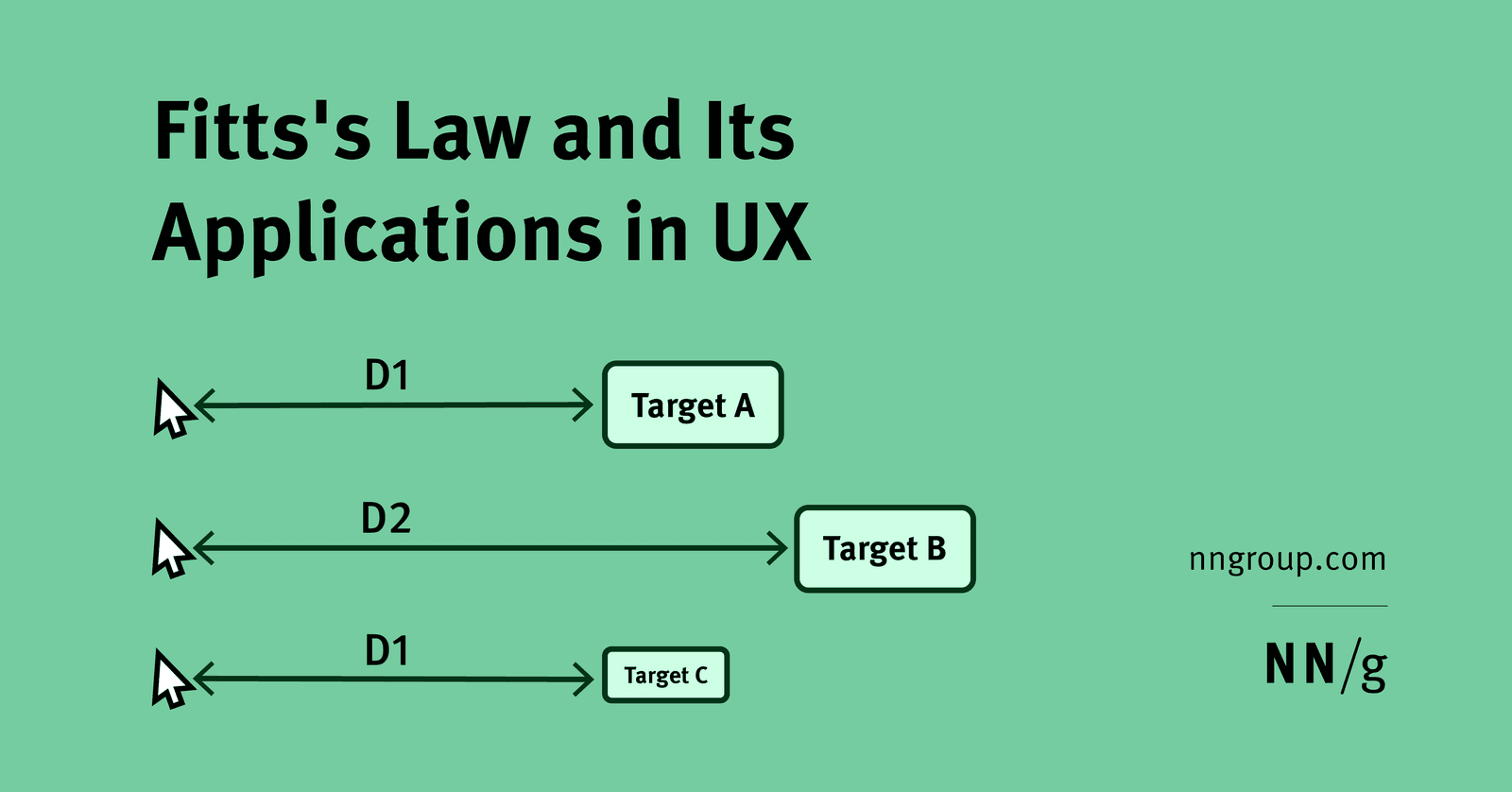
Use Fitts's Law to size and place primary vs secondary mobile actions
Large primary actions in easy thumb zones; secondary actions farther but keep minimum targets.
How do you model and articulate long-term design debt cost to stakeholders?
Estimate refactor hours and support tickets; show fixes cost 3-5x more later; map inconsistency to trust erosion.

Design a type-safe polymorphic component that renders as different HTML elements
Tests TypeScript generics and prop forwarding in design systems. Answer: generic as constrained to keyof JSX.IntrinsicElements, merged with ComponentPropsWithoutRef<C>, omit clashes, forward ref with ElementRef.
How do you handle a one-off token exception for a campaign?
Tests balancing speed and systemic consistency. Strong answers outline a governance fast-track with sunset clauses, document the exception, and isolate it via campaign overrides instead of mutating core tokens. Red flag: permanently hardcoding the one-off.

Describe a robust architecture for implementing theming using design tokens
Three tiers, CSS custom properties for live switching, and layered overrides.
.avif&w=1600&q=75)
How does a mature design system change cross-functional collaboration?
Tests whether you view maturity as a collaborative operating framework, not just components. Strong answers hit shared definitions of done, living documentation, code/design parity, and trust-based adoption. Red flag: calling it a docs or enforcement problem.
How do you handle a product team requesting a custom Button?
This tests governance discipline. A strong answer asks context questions to separate misuse from a real gap, uses a decision tree for actions and CTAs, and extends the system with a documented variant. A red flag is instantly greenlighting a custom fork.

What governance model would you propose for a centralized design system?
Tests balancing standardization with autonomy across legacy silos. A strong answer proposes a hybrid model with a core team and contribution rules, weighing consistency against migration cost.

Pitching Design Systems with Business Value
Design systems fail without people, not tools. Pitch them by asking stakeholders if they like saving time and money, then frame consistency, speed, and shared vocabulary as business value instead of design ideology.

Seven-Figure Copywriter Ditches Eloquence for Customer Research
Seven-figure copywriter Tim Stoddart says clarity beats eloquence. Mine customer pain points from sales calls and Reddit, then mirror that language in copy. Engineers should swap jargon for verified customer vocabulary to increase conversion.

Design a system to measure technical content deflection
Tests causal attribution of content on tickets. Answers must unify identity, correlate topics with NLP, compute deflection as self-service resolutions over total intent, and validate outcomes.
We are hiring for this. Every open role lists the topics its interview covers, so you can prepare for the real thing rather than guessing.
See open roles