Easy everything in Design & UX, page 12
Value Proposition: Why Should a Customer Choose You?
A value proposition is your core promise of value to a customer, answering 'What's in it for me?'. It's the foundation for landing pages and marketing copy. The footgun is listing features instead of the tangible benefits those features provide.
Survey Research: How to Ask Better Questions
Survey research is the science of asking the right questions to the right people. It's used in market research and user feedback to understand a population. The footgun: assuming any questionnaire yields truth. Biased questions or samples create garbage data.
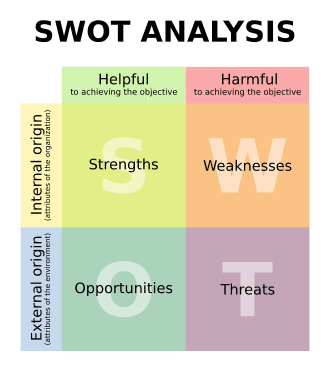
SWOT Analysis: A Structured Brainstorming Framework
SWOT analysis is a 2x2 grid for decision-making, mapping internal factors (Strengths, Weaknesses) against external ones (Opportunities, Threats). Use it for strategic planning or project evaluation.
Competitive Analysis: Sizing Up the Competition
Competitive analysis is systematically assessing rivals' strengths and weaknesses to find your own edge. It helps identify market opportunities and threats before you act. The footgun is focusing only on direct competitors and missing the indirect ones.

User Personas: Designing for Someone, Not Everyone
A user persona is a semi-fictional character built from real user data to represent a target group. It helps teams design for "Sarah the busy manager," not a vague "user." The footgun is forgetting the persona is an archetype, not a literal person.

Plain Language Writing: Write for Your Audience, Not Yourself
Plain language isn't dumbing down; it's writing so your audience can understand and act on information the first time. Use it in UI copy and docs to reduce user error. The footgun is assuming your audience shares your jargon and context.

Ethos, Pathos, Logos: The Three Appeals of Persuasion
Persuade anyone by appealing to their head (logos), heart (pathos), or trust in you (ethos). Use this framework in design docs or presentations to make a stronger case.
We are hiring for this. Every open role lists the topics its interview covers, so you can prepare for the real thing rather than guessing.
See open roles