Advanced concepts in DevOps & Cloud, page 8
Apache Flink: Unifying Batch and Stream Processing
Apache Flink treats everything as a stream of data, even finite batches. This unified model lets you process real-time events and historical data with the same logic. Use it for live analytics or fraud detection.
Analyzing Flaky Tests
A flaky test passes and fails randomly without code changes, eroding trust in your CI pipeline. It often points to race conditions or external dependencies. The biggest footgun is ignoring them, as this teaches developers to dismiss real failures.
Argo CD Sync Phases and Waves: Ordering Your Deployments
Argo CD Sync Phases and Waves are a recipe for ordering deployments. Use them for complex apps where a database migration must run pre-sync. The footgun: a single failed resource in a wave halts the entire sync process, making it brittle if overused.
Apache Beam: Write-Once, Run-Anywhere Data Pipelines
Apache Beam is a universal remote for big data engines. You write your pipeline logic once using its SDK, and it translates your code to run on different "runners" like Spark or Flink. The footgun is thinking Beam is an engine; it's an abstraction that.
Chaos Engineering: Break Systems to Build Confidence
Chaos Engineering is like a fire drill for your software: you intentionally break things in a controlled way to find weaknesses. It's used in distributed systems to test resilience against server failures or network latency.
Flux Image Update Automation: Closing the GitOps Loop
Flux's image update automation acts like a bot that watches your container registry. It finds new image tags that match your policies (like semver) and automatically commits the change back to your Git repository, triggering a deployment.
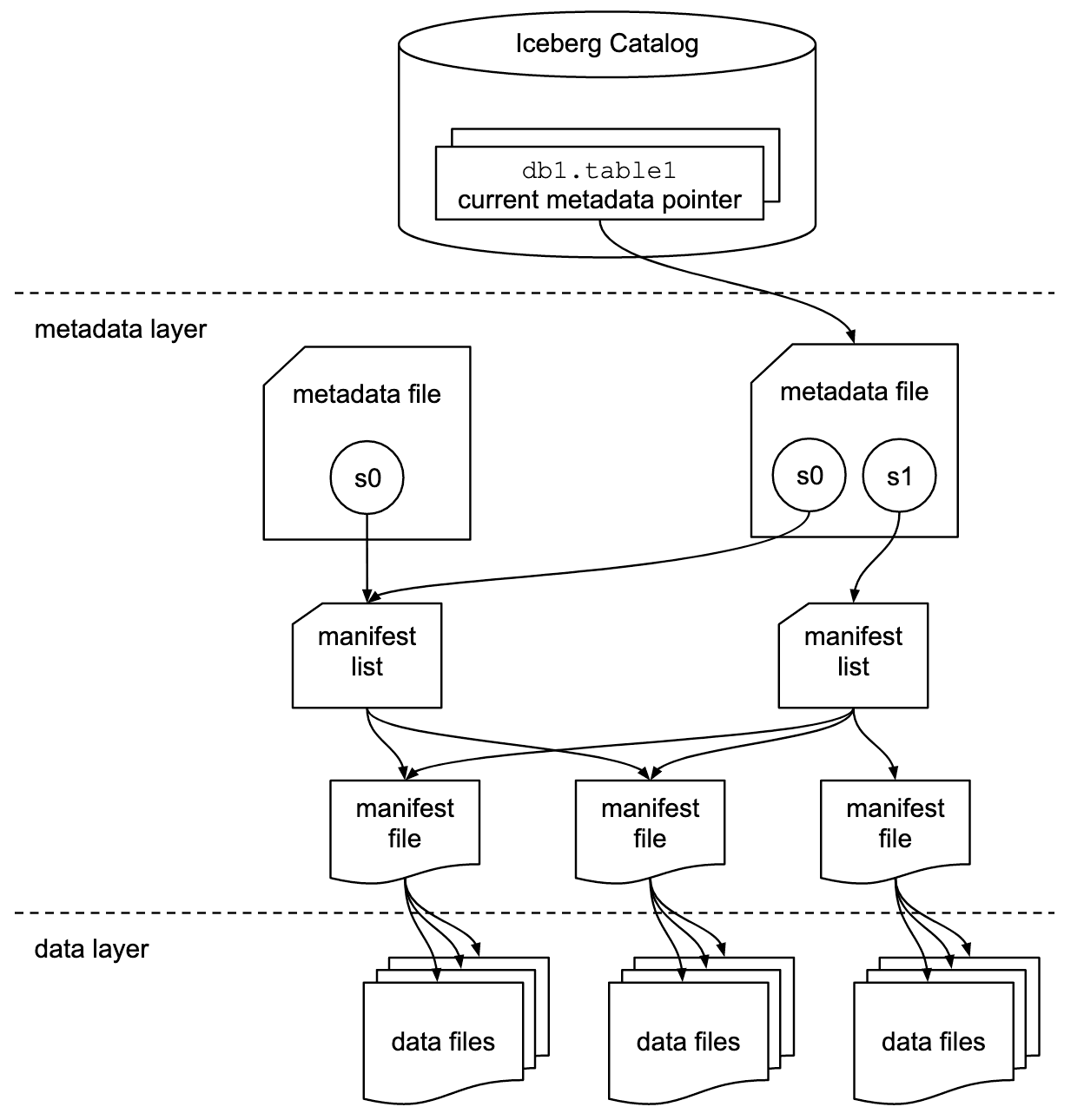
Apache Iceberg: A Table Format for Huge Datasets
Apache Iceberg is an open table format for huge analytic datasets. It adds a metadata layer to files in object storage, enabling engines like Spark and Trino to work with transactional guarantees. The footgun: it's a format, not a query engine itself.
eBPF: Run Sandboxed Programs in the Linux Kernel
eBPF lets you run sandboxed programs directly in the Linux kernel, like adding programmable event handlers to your OS. This enables high-performance networking, security, and observability without changing kernel code.
Helm Post-Rendering: Customize Charts Without Forks
Helm post-rendering lets you modify a chart's Kubernetes manifests just before deployment. It's ideal for applying kustomize patches or injecting sidecars without forking a public chart.
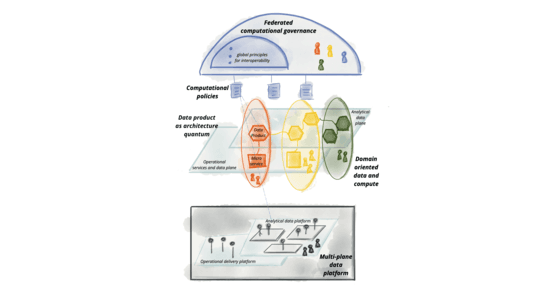
Data Mesh: From Central Data Lake to Distributed Ownership
Data Mesh decentralizes data ownership, moving it from a central team to the business domains that create it. This approach, like microservices for data, is for orgs where a monolithic data lake has become a bottleneck.
Data Virtualization: One Query, Many Sources
Data virtualization creates a single logical database from many physical sources without moving the data. It's used for real-time integration across silos like SQL, NoSQL, and APIs.
Flagger: Progressive Delivery for Kubernetes
Flagger is an automated traffic cop for Kubernetes releases. It gradually shifts traffic to new versions while monitoring metrics, enabling safe canary or blue/green deployments with service meshes or ingress controllers.
controller-runtime: The Engine for Kubernetes Operators
Think of controller-runtime as the standard library for writing Kubernetes controllers. It handles the boilerplate of watching resources and reconciling state, forming the foundation for tools like Kubebuilder and Operator SDK.
Argo CD Image Updater: Automate Image Updates
An Image Updater automates deployments by watching for new container image versions and telling Argo CD to update your app. It's used to automatically roll out new builds, but misconfiguring update strategies can accidentally deploy unstable tags to…
Argo CD ApplicationSet: Manage Many Applications as One
Think of an ApplicationSet as a factory for Argo CD Applications. It uses a template and generators to automatically create apps for many clusters or services in a monorepo.
Argo AnalysisTemplates: Reusable Health Checks for Deployments
An AnalysisTemplate is a reusable recipe for judging a deployment's health. During a canary rollout, Argo uses it to query metrics like error rates to decide whether to promote or roll back the new version.
Kubernetes API Aggregation Layer: Extending the API Server
The API Aggregation Layer bolts custom API servers onto the main Kubernetes API, with kube-apiserver acting as a proxy. This powers features like the metrics server (kubectl top) and enables complex extensions.

Distributed Model Training: Splitting the Workload
Don't wait for one GPU to finish; use many. Distributed training splits a model's workload across multiple processors to finish faster. It's essential for massive deep learning models.
Model Drift: When Good Models Go Bad
A model is a snapshot of the world; model drift is the alarm that fires when the world changes but your snapshot has not. It detects when production data no longer statistically matches the training data, a common issue for models predicting user behavior.
Explainable AI (XAI): Why Did the Model Do That?
Explainable AI (XAI) translates a model's 'black box' decision into a human-readable reason. Use it to debug predictions, build user trust, or meet regulatory needs. The footgun: explanations are approximations of the model's logic, not absolute truth.
We are hiring for this. Every open role lists the topics its interview covers, so you can prepare for the real thing rather than guessing.
See open roles