Easy concepts in DevOps & Cloud, page 7

Consolidated Billing: Combine Cloud Bills for Bigger Discounts
Consolidated Billing is like a family phone plan for AWS accounts. It rolls multiple accounts into one bill, letting you share volume and savings plan discounts across the entire organization.
The SRE Mandate: Breaking the Dev vs. Ops Cycle
SRE breaks the classic conflict between developers who want to ship fast and operations teams who want stability. It treats operations as a software problem, not a human one. The footgun is creating a rebranded sysadmin team that still does manual work.
AWS Cost Explorer: Visualize and Forecast Your Cloud Spend
Cost Explorer is your cloud bill's interactive dashboard, turning raw data into trend graphs and forecasts. Use it to find which service is driving up costs or to predict next quarter's bill. The main footgun: once enabled, it cannot be disabled.
Threat Modeling: Thinking Like an Attacker
Threat modeling is thinking like an attacker to find security flaws before they're exploited. It systematically analyzes your system to prioritize defenses against the most likely threats. The footgun is treating it as a one-off task, not a continuous process.
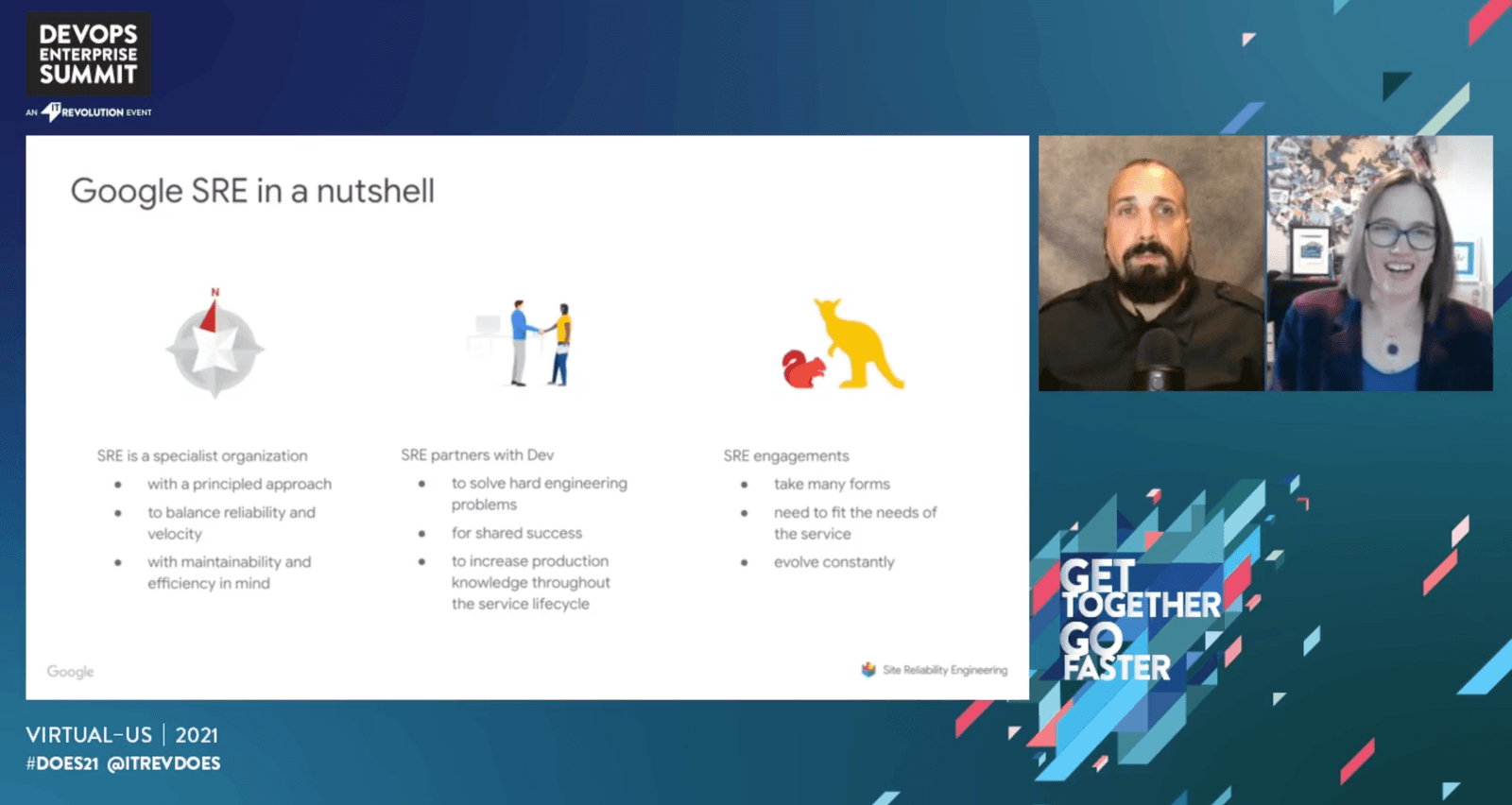
SRE Office Hours: Scaling Expertise Through Consultation
SRE Office Hours are a scheduled time for development teams to get expert advice from SREs, scaling reliability knowledge without embedding them everywhere. Use them to review designs or define SLOs. The footgun is treating them as on-call support.
Cloud Budgets: Your Guardrail Against Overspending
A cloud budget is a spending alarm for your cloud account. It warns you when costs approach a limit you've set, preventing surprise bills. Use it to track monthly spend or monitor usage. The main footgun: billing data lags, so you can overspend before an.
SAST: A Security Spellchecker for Your Code
SAST is like a spellchecker for security, scanning your source code for vulnerabilities before it ever runs. It integrates into your CI/CD pipeline to give feedback on every commit. The main footgun is noise: false positives can overwhelm developers.
Software Composition Analysis (SCA): Know Your Dependencies
Software Composition Analysis (SCA) is like checking the ingredient list for your software. It scans the open-source libraries you use for known vulnerabilities, license issues, and outdated versions.
Observability: Seeing Inside Your System
Observability is the ability to ask new questions about your system's health without shipping new code. It's crucial for debugging distributed systems and is the first step in triaging an outage.
APM: Turning System Metrics into Business Meaning
APM turns system metrics into business meaning by tracking software performance and availability. It matters most when slowdowns threaten service levels. The footgun is gathering data without translating IT metrics into what the business actually cares about.
GitOps Principles: Your Repo as the Source of Truth
GitOps treats infrastructure state like code, with your Git repo as the single source of truth. Automated agents pull declarative configs from the repo to reconcile the live system, making it ideal for Kubernetes.
Helm: The Package Manager for Kubernetes
Helm is like apt or Homebrew for Kubernetes. It bundles all your app's YAML files into a single manageable package called a Chart, solving "YAML sprawl." Use it to install complex apps with one command or to package your own for repeatable deployments.
Structured Logging: Logs as Data, Not Strings
Treat logs as structured data (like JSON), not just plain text. This makes them machine-readable and queryable, letting you filter, search, and create dashboards on specific fields (e.g., user_id, trace_id).
Bug Tracking Systems: The Central Log for Software Defects
A bug tracker is the central log for a project's known defects. It’s used in software development to keep track of reported bugs, coordinate fixes, and manage the lifecycle of an issue. The footgun is undervaluing the quality of bug reports.
Helm Repository: Your Private App Store for Kubernetes
A Helm repository is a private app store for your Kubernetes applications. It's just an HTTP server with a catalog file (index.yaml) pointing to your packaged charts. Use it to share reusable app templates across teams without using public registries.
MapReduce: Divide and Conquer for Big Data
MapReduce breaks a huge data job into smaller, parallel tasks across a cluster. It's ideal for batch processing massive datasets, like indexing the web. The common footgun is using it for real-time queries; it's built for throughput, not speed.
Batch vs. Stream Processing: When to Process Data
Batch processing is like a nightly report, crunching a full day's data at once. Stream processing is a live feed, handling events as they arrive. Use batch for ETL jobs and stream for real-time fraud detection.
Custom Resource Definitions (CRDs): Teach Kubernetes New Tricks
CRDs let you define your own resource types, teaching Kubernetes new nouns like Database or Backup. This is how operators manage complex apps declaratively. The footgun is that a CRD only defines the API; you still need a controller to act on the objects.
Kustomize: Template-Free Kubernetes Configs
Kustomize manages environment-specific Kubernetes configs by layering patches on a base YAML, avoiding complex templating. Use it to tweak deployments for dev, staging, or prod. The footgun: the kubectl version can lag, causing unexpected behavior.
The Operator Pattern: A Robot SRE for Your App
The Operator pattern adds a custom, automated "robot SRE" to your Kubernetes cluster. It encodes human operational knowledge for a specific application, like a database, into software that handles complex tasks like upgrades, backups, and failovers…
We are hiring for this. Every open role lists the topics its interview covers, so you can prepare for the real thing rather than guessing.
See open roles