Intermediate concepts in DevOps & Cloud, page 6

Ingress Controller: Your Cluster's Smart Reverse Proxy
An Ingress Controller is the traffic cop for your Kubernetes cluster, directing external HTTP/S requests to the correct internal services. It exposes multiple services under a single IP, handling host and path routing.

Database Multi-AZ: High Availability vs. Read Scaling
Multi-AZ deployment is like a hot spare database in another datacenter for automatic failover. It's for critical systems where downtime is costly. The footgun is assuming all standbys serve reads; only the 'cluster' type does, not the 'instance' type.
Kubernetes LoadBalancer: Your App's Public Entry Point
A Kubernetes LoadBalancer Service automatically provisions a cloud provider's load balancer to expose your app externally. It's the simplest way to get a public IP, but creating one per service is expensive and inflexible. Use an Ingress for more control.
Managed Key-Value Databases: Scaling Without Server Chores
A managed key-value database is like an outsourced dictionary. You give it a key, it returns a value, and the cloud provider handles all scaling and server management. It's used for session stores or user profiles where you need fast lookups by a known ID.

Managed Document Databases: Your Data, Their Ops
A managed document database is like a fully-staffed warehouse for your data. You store JSON-like objects, and the provider handles security, maintenance, and scaling. It's the default for cloud apps, but the convenience isn't free—watch for surprise bills.
Managed In-Memory Data Store: Speed Without the Sysadmin
A managed in-memory store is a high-speed valet for your data, sitting between your app and database to serve requests at microsecond latency. Use it for database acceleration or session stores. The footgun is treating it as a permanent database.
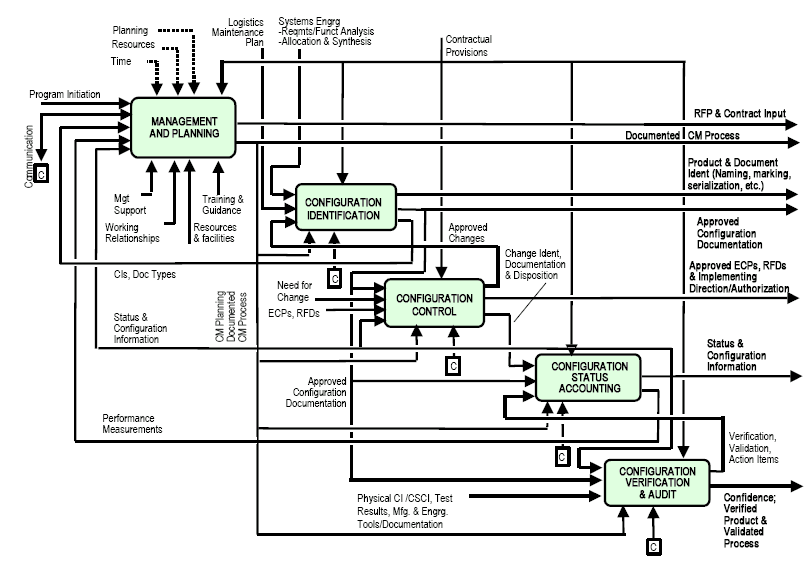
Configuration Management: Enforcing Desired State
Configuration Management treats your system's setup as code to prevent "configuration drift." It's used to reliably provision servers, deploy apps, and manage fleets, ensuring every component matches its intended design and is reproducible.
Terraform State: The Map to Your Infrastructure
Terraform state is the source of truth mapping your code to real cloud resources. It's used on every plan and apply to determine changes. The footgun: never store state in Git or edit the tfstate file directly; this risks corruption and secret leaks.
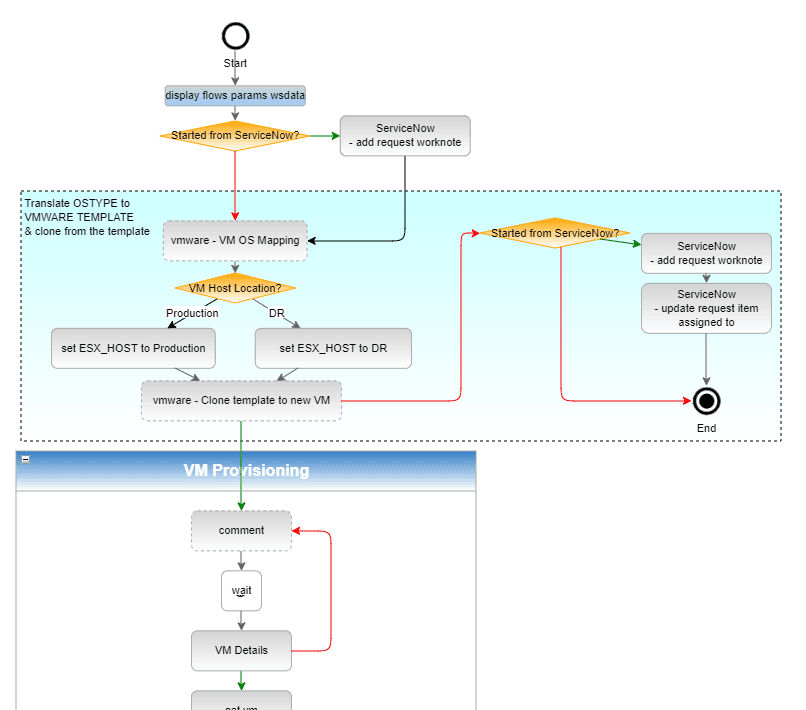
Executable Runbooks: Code, Not Just Checklists
An executable runbook turns a procedural document into an automated script. Instead of reading steps, you run them. It's used for incident response or maintenance, ensuring consistency. The footgun is not making them idempotent, which can worsen an outage.
Packer: Build Identical Machine Images Everywhere
Packer is a universal recipe for baking machine images. It takes a single template and builds identical images for multiple platforms like AWS or Docker. Use it to create consistent "golden images" for your infrastructure.
Ansible: Automating Infrastructure with Playbooks
Ansible is like a recipe book for your servers. You write simple "playbooks" describing a desired state, and Ansible makes it happen over SSH without installing agents. It's ideal for configuration management, app deployment, and orchestrating workflows.
Infrastructure Drift: When Reality and Code Diverge
Infrastructure drift is when live systems no longer match their configuration code. This happens when someone manually changes a cloud resource instead of updating the Terraform file. The footgun: your next terraform apply may destroy your manual changes.

Ephemeral Environments: A Staging Server for Every PR
Ephemeral environments are disposable, production-like test servers created for every pull request. They let developers test changes in isolation without waiting for a shared staging server, catching integration bugs earlier.
Continuous Delivery: Ship Reliably, Anytime
Continuous Delivery (CD) makes software releases a boring, routine event. Your codebase is always in a deployable state, allowing you to ship small, incremental updates reliably and at any time. The footgun is confusing it with Continuous Deployment.
Projected Volumes: Mount Config as Live Files
A projected volume mounts ConfigMaps and Secrets as files inside your Pod, which update automatically when the source object changes. Use this for apps that can hot-reload config, avoiding restarts. The footgun: updates aren't instant; there's a delay.
Feature Flags: Ship Code Now, Release It Later
Feature flags are like light switches for your code, letting you turn features on or off in production without a new deployment. This enables canary releases and A/B tests. The main footgun is letting old flags accumulate, creating a maze of dead code.
The Kubernetes Downward API: Pod Self-Awareness
The Downward API gives a container self-awareness, injecting Pod metadata like its name or IP address as environment variables or files. Use it so apps can self-configure without calling the main K8s API.
Quality Gates: Your Automated Release Checklist
A quality gate is an automated checklist that decides if code is ready for release. It runs in your CI pipeline, blocking merges or failing builds if metrics like code coverage or bug counts don't meet predefined standards.
Immutable Secrets & ConfigMaps: Write-Once Configuration
Treat your Kubernetes configuration like a container image: create it once, then create a new version to update it. The immutable flag enforces this "write-once" pattern for Secrets and ConfigMaps, reducing API server load and preventing accidental updates.
Kustomize: Template-Free Kubernetes Configuration
Kustomize is a patch tool for Kubernetes YAML, letting you manage environment-specific configurations without complex templates. Use it to define a base config and apply overlays for dev, staging, and prod. The footgun is treating it like a templating engine.
We are hiring for this. Every open role lists the topics its interview covers, so you can prepare for the real thing rather than guessing.
See open roles