Advanced concepts in Frontend Dev, page 4

Zod: TypeScript-First Schema Validation
Zod creates a single source of truth for your data's shape, providing both runtime validation and static TypeScript type inference from one definition. Use it to parse API inputs or form data, ensuring data is correct and typed.
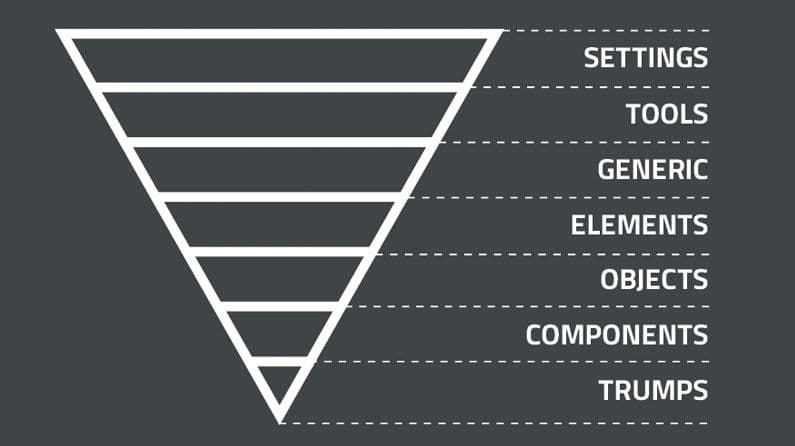
ITCSS: Structuring CSS from General to Specific
ITCSS organizes CSS from generic to specific, like an inverted triangle. It's for large projects to prevent specificity wars and make code predictable. The main footgun is not enforcing the layer order, which leads back to styling chaos and defeats the system.

Critical CSS: Render Above-the-Fold Content Instantly
Critical CSS accelerates rendering by inlining styles for above-the-fold content directly in the HTML. This lets the browser paint the visible page immediately, while the full stylesheet loads asynchronously.

The Fetch API's Request Object
The Fetch API's Request object is a blueprint for an HTTP call, bundling URL, method, headers, and body. It's key for intercepting traffic in service workers or building reusable fetches. The main footgun: its body is a stream that can only be read once.
State Normalization: Treat Your Store Like a Database
Treat your Redux state like a database. Instead of nesting related data, flatten it into separate 'tables' keyed by ID. This simplifies updates and prevents unnecessary re-renders. The footgun is storing API data as-is, creating update bugs.

Design Tokens: A Standardized Language for Your UI
Design tokens are named variables for your UI's visual properties, stored in a central format like JSON. They enable consistent branding and theming across platforms (web, iOS) and tools (Figma, code).
SSR State Hydration: Syncing Server and Client State
SSR hydration syncs server and client state to prevent UI errors. The server renders the page with initial data, then sends that data to the client to "hydrate" its own state store. The footgun is using a global store on the server, which leaks data.
CSS Cascade Layers: Control Your Cascade
Cascade Layers are explicit buckets for your CSS, letting you control which styles win without fighting specificity. Use them to predictably layer resets, component libraries, and utilities.
Runtime Response Validation with Schema Libraries
TypeScript types evaporate at runtime, so a fetch response typed as User[] can be null or malformed. Schema libraries like Zod give static types and runtime guards from one contract. The footgun is using as instead of parse, silently reintroducing crashes.
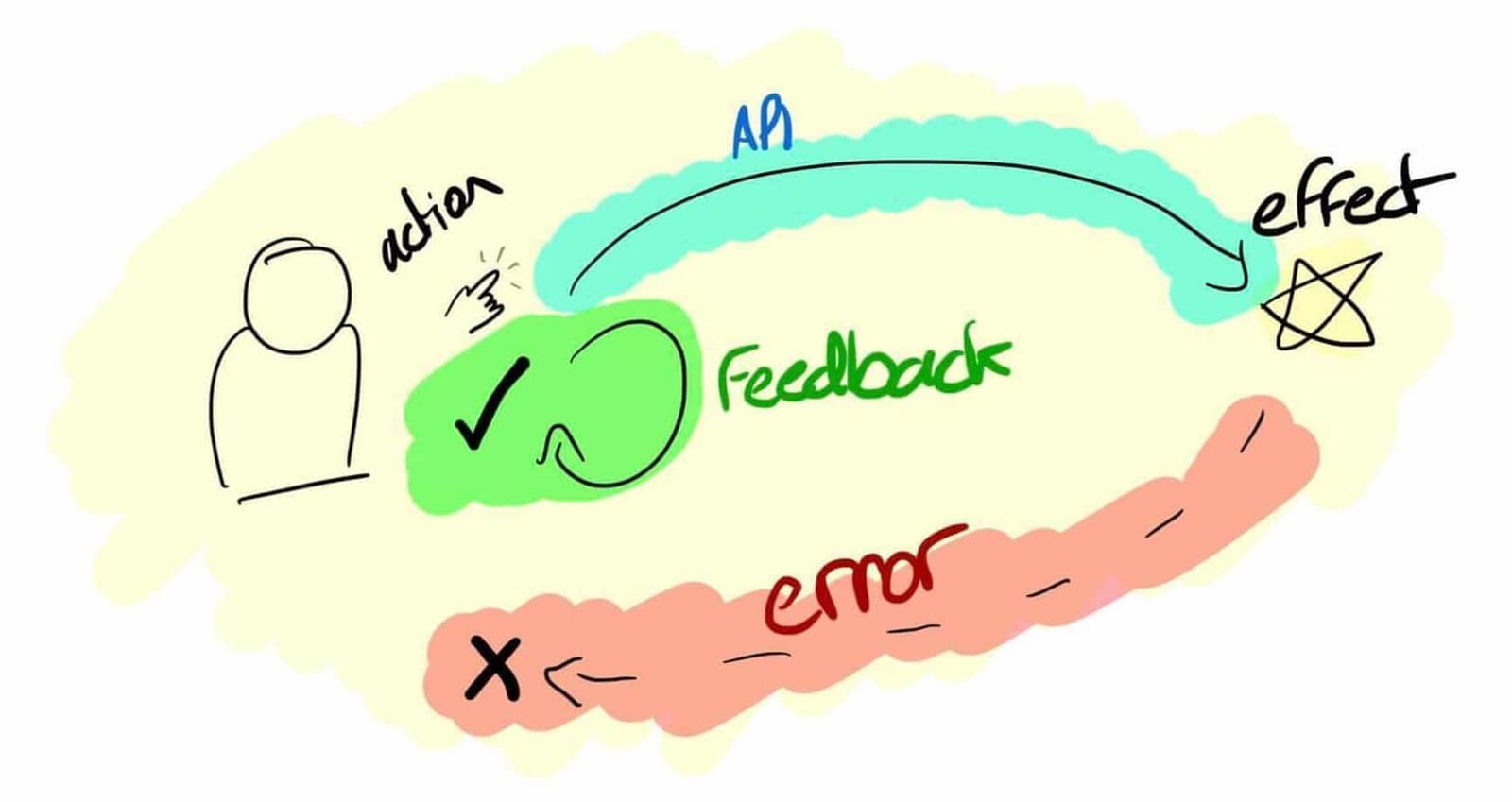
Optimistic UI: Assume Success for a Faster Feel
An optimistic UI assumes an action will succeed, updating the interface instantly instead of waiting for the server. This makes actions like liking a post or adding to a cart feel instant. The footgun is failing to revert the UI when the server reports an.
RTK Query: Your Redux Data Fetching Layer
RTK Query treats server data as a cache, not global state, handling fetching and loading states for you. Use it to replace manual fetch logic and keep data fresh across components. Forgetting to call setupListeners disables automatic refetching.

XState: Predictable UI State with State Machines
XState treats UI logic as a formal state machine, making impossible states impossible. It's ideal for complex components like multi-step forms or data fetching UIs. The footgun is overusing it for simple boolean toggles, which adds needless boilerplate.
Stream a Fetch Response Chunk by Chunk
Process a fetch response as it arrives, chunk by chunk, instead of buffering the whole file in memory. This is ideal for large files like videos or giant JSON datasets.

SSR Hydration: Don't Re-render, Reuse
Hydration tells your client-side app to reuse the HTML sent by the server instead of wastefully re-rendering it. This prevents UI flicker in Server-Side Rendered apps and improves load performance.
Sass Functions: Reusable Logic for Your Styles
Sass functions are like JavaScript functions for your CSS, letting you compute and return a single value. Use them to centralize complex logic, like generating a color palette. The footgun: don't use functions for side-effects; that's what mixins are for.

MSW: Mock APIs at the Network Layer
Mock Service Worker intercepts API calls at the network level using a Service Worker, so your app makes real requests. Use it for consistent mocking in development, testing, and Storybook.
Sass Built-in Modules: Namespaced Power Tools
Think of Sass built-in modules as namespaced toolkits for color, math, and more. You explicitly import what you need, like using sass:color for theming. The footgun is relying on old global functions, which ties you to legacy Sass implementations.
Vue Route Animations: Animating Page Changes
Animate between pages by wrapping your router view in a <transition> component, giving your SPA the feel of a native app. This is used for sliding or fading effects during navigation.

cy.intercept: Control Network Traffic in Cypress Tests
cy.intercept acts like a programmable proxy in your Cypress tests, letting you watch, modify, or fake network requests. Use it to test loading states or error handling without a live backend. Footgun: intercepts are cleared before each test, not just once.
The act Utility in React Testing Library
React Testing Library re-exports everything from DOM Testing Library and explicitly lists act as a core top-level API method alongside render and renderHook, making it available as a named export from the framework package without requiring a separate wrapper.
We are hiring for this. Every open role lists the topics its interview covers, so you can prepare for the real thing rather than guessing.
See open roles