Intermediate interview questions in Frontend Dev, page 2

Which CSS background properties make a hero image cover its container?
Tests background-size keywords and aspect-ratio behavior. Lead with cover, note it fills the container by cropping while preserving ratio, unlike contain. Red flag: recommending 100% 100% or explicit lengths, which stretch and distort the image.

Describe two key Angular CLI production build optimizations
Tests whether you know architect targets and concrete production optimizations. Strong answers name two of: dead code elimination and minification, hashed filenames for cache busting, or disabled source maps.
Explain DOM event capturing and bubbling with addEventListener
Tests DOM event propagation and addEventListener phase selection. Core: capture moves root-to-target, bubble moves target-to-root, useCapture or options.capture sets it. Red flag: saying events only bubble or confusing stopPropagation with preventDefault.

How do you fetch data with useEffect and prevent memory leaks?
This tests useEffect async lifecycle and cleanup. A good answer places fetch inside useEffect, uses an ignore flag or AbortController to block state updates after unmount, and includes deps. A red flag is skipping cleanup and letting a late response set state.
Create a vertical black gradient overlay on a background image
Use linear-gradient with rgba black stops, layer it over the image via stacked backgrounds or a pseudo-element.
What is a SvelteKit adapter and how do adapter-static and adapter-node differ?
Tests your grasp of SvelteKit's deployment abstraction. A strong answer outlines how adapters compile the app for a target platform, contrasting adapter-static's CDN-ready HTML with adapter-node's server-side request handler for Node environments.
What are the key differences between NodeList and HTMLCollection?
Tests DOM snapshot vs live binding: querySelectorAll returns a static NodeList, getElementsByTagName returns a live HTMLCollection. Strong answers note childNodes is a live NodeList and warn against caching length during DOM mutation.
What is the purpose of the useEffect cleanup function?
Explain cleanup prevents memory leaks by clearing timers or unsubscribing when dependencies change or on unmount.
What is font-display and how do swap and block differ?
This tests knowledge of the font display timeline. Swap shows fallback immediately then swaps in custom font, while block hides text for a short block period before fallback. A red flag is claiming swap prevents layout shift or that block is superior.
Why pass a function to useState for expensive initial values?
This tests your understanding of React's render-phase behavior. Without the function, expensive work reruns on every render and is thrown away; the initializer runs once only during mount.
How do CSS Custom Properties manage a design system color palette?
Define --color-primary on :root, use var() for buttons and headings, mention fallbacks.
How would you use an enum to represent API statuses?
What it tests: TypeScript enum runtime behavior and API serialization trade-offs. Strong answer: define a string enum with exact API values, contrast readable wire format vs opaque numeric values.
How would you model a WebSocket message discriminated union in TypeScript?
This tests TypeScript discriminated union narrowing. Define interfaces with readonly literal kind fields, union them, and narrow with switch or if checks. A red flag is typing kind as generic string or using type assertions instead of narrowing.
Explain flex-grow, flex-shrink, flex-basis and their interaction
Tests deep understanding of flexbox sizing beyond keywords. A strong answer defines grow and shrink as ratios for distributing leftover or overflow space, basis as the starting size, and explains the two-step calculation.
Content projection: slots vs props for composition?
Slots let parent pass markup (not data) to child, child renders it as-is, vs props pass values; slots excel when parent needs full layout control.
Write a generic ApiResponse<T> type with success and error states
Define two interfaces sharing a status literal, one with data: T and the other with error: { code; message; }.
Explain useReducer and when to prefer it over useState
Tests if you know useReducer centralizes complex state transitions better than scattered useState. Answer: define reducer/dispatch, then contrast with useState via interdependent fields or deep updates. Red flag: calling it only for global state or Redux.
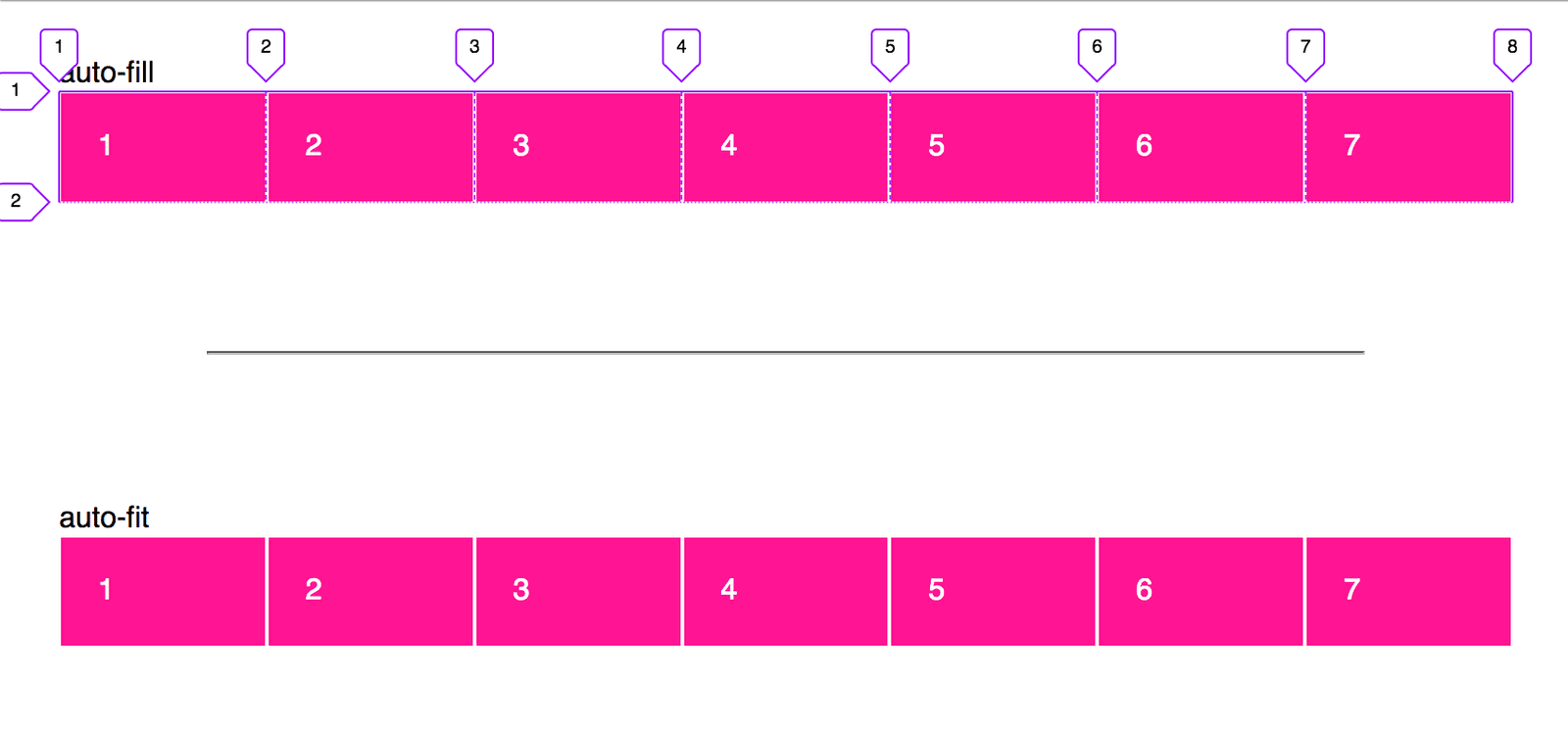
Create a responsive card grid without media queries
This tests CSS Grid intrinsic sizing. Answer: grid-template-columns with repeat(auto-fit, minmax(min, 1fr)), leveraging repeat, minmax, and auto-fit for fluid wrapping. Red flag: defaulting to Flexbox or media queries instead of intrinsic grid behavior.
What bindings do v-model and ngModel sugar, and why?
V-model sugars value and input; ngModel sugars [value] and (ngModelChange). This enforces one-way data flow for predictable state.
How would you combine BaseRecord and PostContent into a Post type?
This tests TypeScript type composition for API resources. A strong answer proposes an intersection type or interface extends, then discusses overlap conflicts and the type versus interface trade-off.
We are hiring for this. Every open role lists the topics its interview covers, so you can prepare for the real thing rather than guessing.
See open roles