Intermediate concepts in LLMs & Generative AI, page 5
BLEU Score: Judging Translation by Human Overlap
The BLEU score judges a machine translation by how closely its text matches a professional human translation. It's a popular, automated, and inexpensive way to benchmark translation systems, like comparing different versions of a model. The main footgun is that a high score indicates high textual overlap, not necessarily better fluency or meaning, as it's just a proxy for human judgment.
RNNs: Neural Networks with Short-Term Memory
A Recurrent Neural Network (RNN) processes sequences by keeping a running memory of what it's seen. It feeds its own output from one step back into the next, like someone reading a sentence one word at a time. This is ideal for sequential data like text or time series where context is key. The main footgun is its notoriously short memory; information from early in a long sequence often gets lost.
Vector Databases: Searching by Meaning, Not Matches
A vector database organizes data by meaning, not just exact values. Instead of finding a record by its ID, you find it by its similarity to a query. This powers AI features like Retrieval-Augmented Generation (RAG), where an LLM finds relevant documents, and recommendation engines. The main footgun is that it finds *approximate* matches, trading perfect accuracy for speed and the ability to search unstructured data.

Attention: Weighing Input by Relative Importance
The attention mechanism lets a model decide which parts of a sequence are most important relative to others. In natural language processing, it assigns 'soft' weights to words, allowing the model to focus on what's most relevant for a given task. It's used to encode sequences of token embeddings, from short phrases to massive documents. The main pitfall is forgetting that these weights are contextual and relative, not absolute measures of a word's importance.
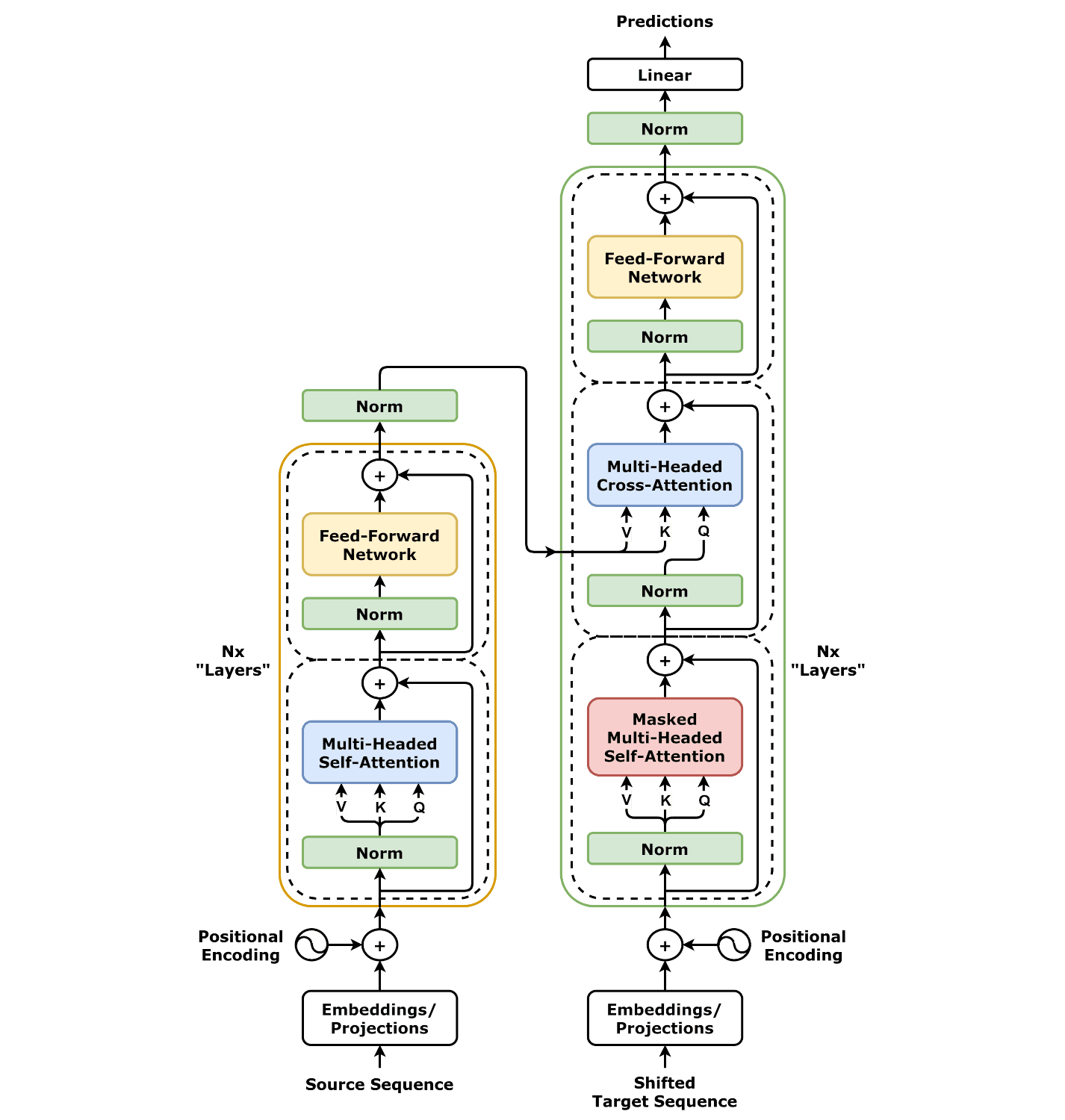
Transformers: Processing Language in Parallel with Attention
Transformers process all input text at once, weighing which words are most important to each other in parallel. This 'attention' mechanism is the core of models like GPT, allowing them to understand context over long sequences. Text is broken into tokens, turned into vectors, and then contextualized by multiple attention 'heads'. The key footgun is that attention alone is order-agnostic; without explicit positional encodings, the model can't distinguish 'dog bites man' from 'man bites dog'.
We are hiring for this. Every open role lists the topics its interview covers, so you can prepare for the real thing rather than guessing.
See open roles