Concepts in Mobile Dev, page 2
Hermes: The JS Engine for Faster React Native Apps
Hermes is a JavaScript engine optimized for React Native that prioritizes fast startup and low memory use. It's the default for new apps, pre-compiling JS to bytecode at build time. The footgun: don't just check a global variable; benchmark release builds.
Swift Error Handling: Throwing, Catching, and Propagating
Swift error handling uses a dedicated channel for failures. Functions declare they can fail with throws, you handle them with do-catch, or transform them into optionals with try?. The footgun is overusing try!, which crashes your app on failure.

Kotlin Data Classes: Automatic Boilerplate for Data Holders
A Kotlin data class automatically generates boilerplate like equals() and toString() for classes that just hold data. Use it for model objects or DTOs where value equality matters. The footgun: its copy() method is shallow, sharing mutable objects.
Kotlin Collections: Think Transformations, Not Loops
Treat collection operations as a pipeline, not a for loop. Each function (map, filter) transforms data and passes it to the next stage, ideal for turning API data into UI models.
The React Native Bridge: Why It's Being Replaced
Think of the React Native Bridge as an asynchronous JSON message queue between your JavaScript code and the native UI. This design is the source of its core limitation: communication delays that cause visible UI jank and prevent modern React features.
Protocols: Swift's Blueprint for Behavior
Protocols are Swift's blueprints for behavior, enabling composition over inheritance. They're used to decouple dependencies and define shared functionality like Codable. The footgun is mistaking any Protocol for some Protocol, inviting performance costs.
Dart's Sound Null Safety: No More Null Errors
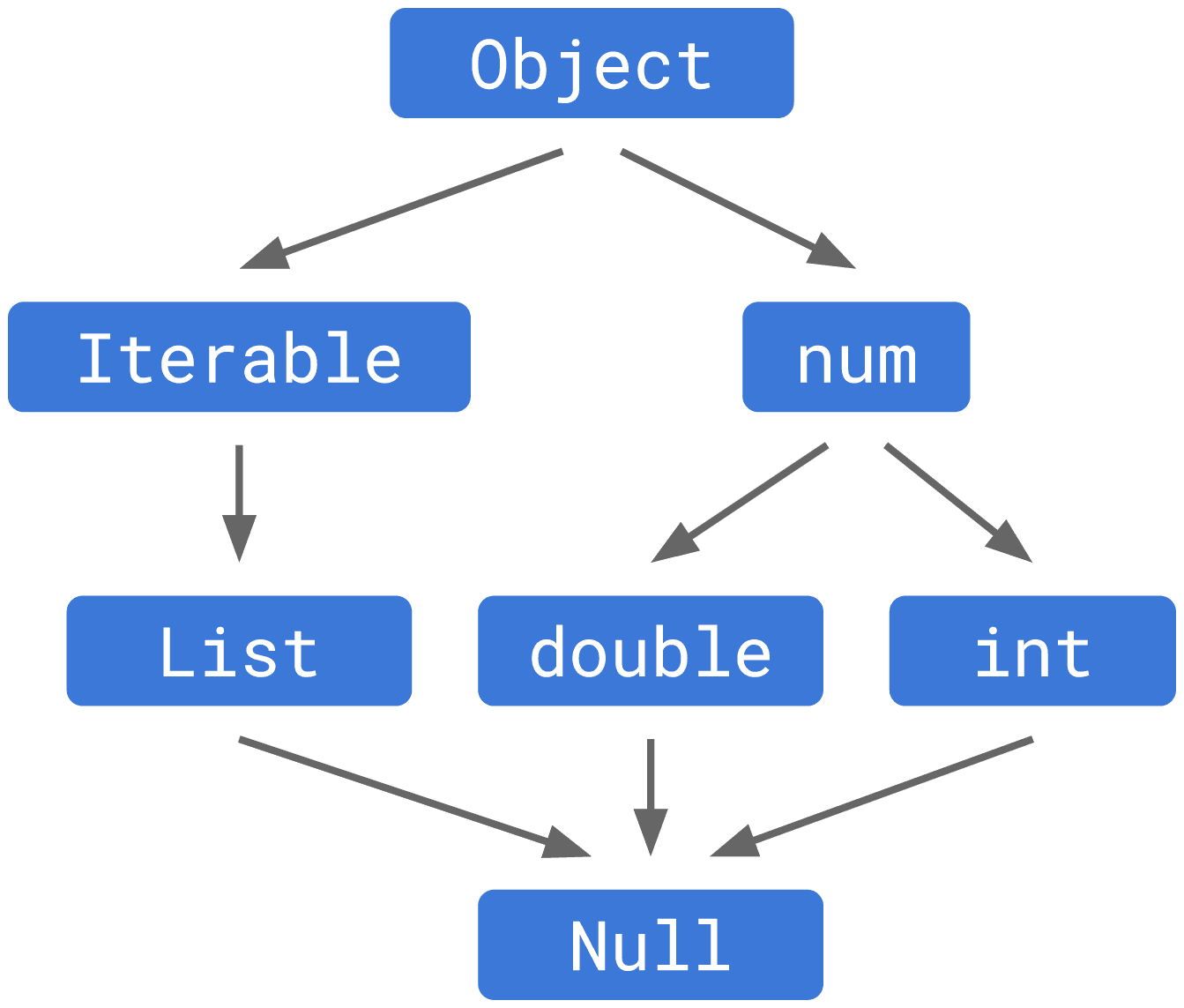
In Dart, variables can't be null unless you explicitly allow it. This flips the usual model, turning potential runtime null pointer crashes into compile-time errors you can fix immediately.

Expo Application Services (EAS): The Cloud Toolchain for React Native
Expo Application Services (EAS) is the cloud toolchain for production React Native apps. It handles complex native builds, app store submissions, and over-the-air updates. The main footgun is confusing it with the local expo CLI for development.
Automatic Reference Counting (ARC): Swift's Memory Manager
ARC is Swift's automatic memory manager for classes. It's like a landlord tracking tenants: when the last reference to an object is gone, its memory is freed. It's used everywhere in Swift, but the footgun is creating strong reference cycles.
Dart's Null-Aware Operators: Safely Handle Nulls
Null-aware operators let you work with potentially null values without a cascade of if (x != null) checks. Use them to access properties, provide defaults, or assign values only when a variable is null. The footgun is confusing safe ?. with unsafe !.
Kotlin Extension Functions: Add Methods Without Inheritance
Kotlin extension functions let you add new functionality to existing classes without inheritance, as if you were adding a new method. They're perfect for creating helpers for third-party library classes or framework types like String.
async/await: Write Concurrent Code That Reads Synchronously
async/await lets you write asynchronous code that reads like a synchronous story, eliminating callback hell. It's ideal for network requests or file I/O. The footgun is thinking await blocks a thread; it only suspends the current task.
Dart's Cascade Notation: Chain Calls on One Object
Cascade notation (..) lets you perform a sequence of operations on the same object without repeating its name. It's ideal for configuring new instances in one block.
Kotlin Scope Functions: Cleaner Code, Clearer Choices
Kotlin's scope functions (let, run, apply) create a temporary workspace for an object, avoiding repetitive variable names. Use them for object configuration or chaining calls.
Adding Native Code to Expo (The Modern 'Eject')
Adding native code to Expo no longer means 'ejecting'. You create a custom development build with your specific native modules. This is for when a library has native code not in the Expo SDK. The footgun is thinking you must abandon Expo's tools and services.
Value vs. Reference Semantics in Swift
Value types are like emailing a document copy; changes don't affect the original. Reference types are like a shared Google Doc link; everyone edits the same instance. In Swift, structs are copies, while classes are shared references.
Dart's async/await: Non-Blocking Code That Reads Synchronously
Dart's async/await makes non-blocking code read like a simple script. Use it for network requests or file I/O to keep your UI from freezing. The biggest footgun is calling an async function but forgetting to await its Future result.
Kotlin Sealed Classes: Enums for Types
A sealed class is like an enum, but for types. It defines a closed set of subclasses, letting each one carry different data. It's perfect for modeling states like Loading, Success, and Error, ensuring you handle every case at compile time.
The View Component: React Native's UI Building Block
Think of View as the <div> of React Native. It’s the fundamental container for grouping and styling other components, used everywhere to structure layouts with flexbox. The footgun: Text must be in a <Text> component, not directly in a View.

The Result Type: Modeling Success and Failure
The Result type is a sealed box for an operation's outcome: it holds either a success value or a failure error. It's used in asynchronous code like network requests to create clean, explicit completion handlers. The footgun is forgetting to handle both cases.
We are hiring for this. Every open role lists the topics its interview covers, so you can prepare for the real thing rather than guessing.
See open roles