Interview questions in Mobile Dev
Expo managed workflow vs bare React Native
Expo gives fast setup, OTA updates, managed builds, and prebuilt APIs; bare gives full native control and arbitrary native modules.
What is the difference between let and var in Swift?
This tests value semantics beyond syntax. A strong answer defines let as immutable and var as mutable, notes that let on a reference type only fixes the pointer, and cites clearer intent and compiler optimization.
What is the difference between final and const in Dart?
Tests compile-time versus runtime immutability in Dart. A strong answer: final allows single assignment at runtime, but const requires a compile-time constant and deep immutability.

Explain val vs var in Kotlin and null safety risks
Val is read-only, var is mutable; nullables use ? like String?; risk is NullPointerException if checks are missed.
Explain val vs. var and null safety in Kotlin
Tests your grasp of Kotlin's core principles: immutability and compile-time null safety. Define val (read-only) vs. var (mutable), declare nullables with ?, and identify the risk as runtime NullPointerExceptions.
Explain val, var, and null safety in Kotlin
This tests your grasp of immutability and Kotlin's compile-time null safety. Define val (immutable reference) vs. var (mutable), explain nullable types using ?, and state the risk is NullPointerException. A red flag is confusing val with a constant.
What do the safe call and Elvis operators do in Kotlin?
?. yields null if receiver is null; ?: provides the right operand when left is null; chain as val len = str?.length ?: 0.
UI unresponsive during large data processing on main thread
Tests RN's dual-thread model and 16.67ms frame budget. Strong answers separate JS and UI thread roles, blame long JS tasks for dropped frames, and propose chunking data to yield the event loop. Red flag: claiming memoization alone solves thread blocking.
What is an optional in Swift? Demonstrate two safe unwrapping methods.
This checks Swift type safety and nil-handling. A strong answer defines Optional as an enum, demonstrates if let binding, and shows the nil-coalescing operator ?? for defaults. Avoid suggesting force-unwrapping with ! as a safe pattern.
Explain Dart positional vs named parameters and write one signature
Tests Dart parameter syntax. A strong answer covers required positional args, optional positional args in square brackets, and named args in curly braces with defaults. Red flag: claiming named parameters are always optional or confusing bracket types.
Purpose of Kotlin's safe call (`?.`) and Elvis (`?:`) operators?
This tests your grasp of Kotlin's null safety philosophy. A good answer defines the safe call (?.) for conditional access and the Elvis operator (?:) for default values, then combines them. A red flag is using verbose if/else checks for simple cases.
Purpose of safe call (`?.`) and Elvis (`?:`) operators
This tests your grasp of Kotlin's idiomatic null safety. Explain the safe call (?.) for chaining on nullables and the Elvis operator (?:) for providing defaults. Combine them in a one-line example. A multi-line if/else is a red flag.
Improving React Native startup time
Enable Hermes for fast bytecode startup, shrink and lazy-load the JS bundle via inline requires and RAM bundles, and defer non-critical native init.
How does Swift's switch differ from C's switch?
Switches must be exhaustive, there is no implicit fallthrough between cases, and cases can match ranges, tuples, and bind values.
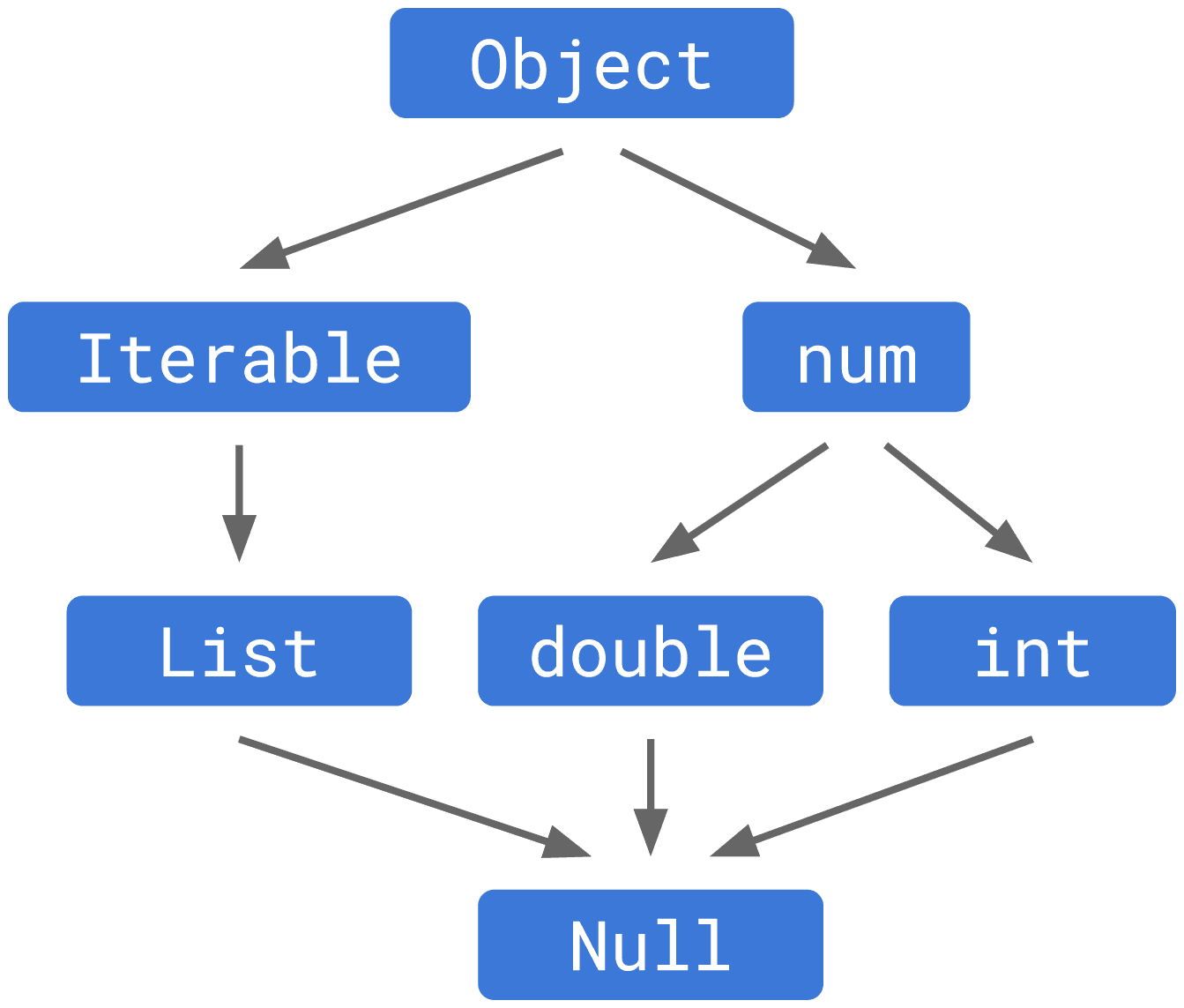
Describe Dart's null-aware ?. and null assertion ! operators
Tests Dart null safety mechanics: ?. short-circuits member access on null, while ! casts away nullability. A strong answer notes ?. avoids NPEs and ! is a risky opt-out. Red flag: claiming ! is safe or that ?. provides a default value.
What is an extension function? Write a hasWhitespace extension for String.
Explain receiverType.functionName adds behavior without inheritance; write hasWhitespace with any { it.isWhitespace() }.
What is a Kotlin extension function? Write one for String.
Tests your grasp of adding functionality to existing classes without inheritance. A great answer defines it as syntactic sugar over static methods, explains its use for third-party code, then implements the requested String.hasWhitespace function.
What is a Kotlin extension function? Write one for String.
Tests adding functionality to classes without inheritance. Define extension functions as static utilities, explain their use case (e.g., third-party libs), then write hasWhitespace using an idiomatic method like any. A red flag is manually looping.
Building a native module from scratch
Write a native module class with exported methods or constants, register it via a package, then expose a typed JS wrapper.
Explain the primary differences between a struct and a class in Swift
Tests value versus reference semantics and their impact on memory and mutation. Strong answers note structs copy on assignment and lack inheritance, while classes share heap instances via ARC. Red flag: claiming structs are always stack-allocated.
We are hiring for this. Every open role lists the topics its interview covers, so you can prepare for the real thing rather than guessing.
See open roles