Intermediate interview questions in Mobile Dev
UI unresponsive during large data processing on main thread
Tests RN's dual-thread model and 16.67ms frame budget. Strong answers separate JS and UI thread roles, blame long JS tasks for dropped frames, and propose chunking data to yield the event loop. Red flag: claiming memoization alone solves thread blocking.
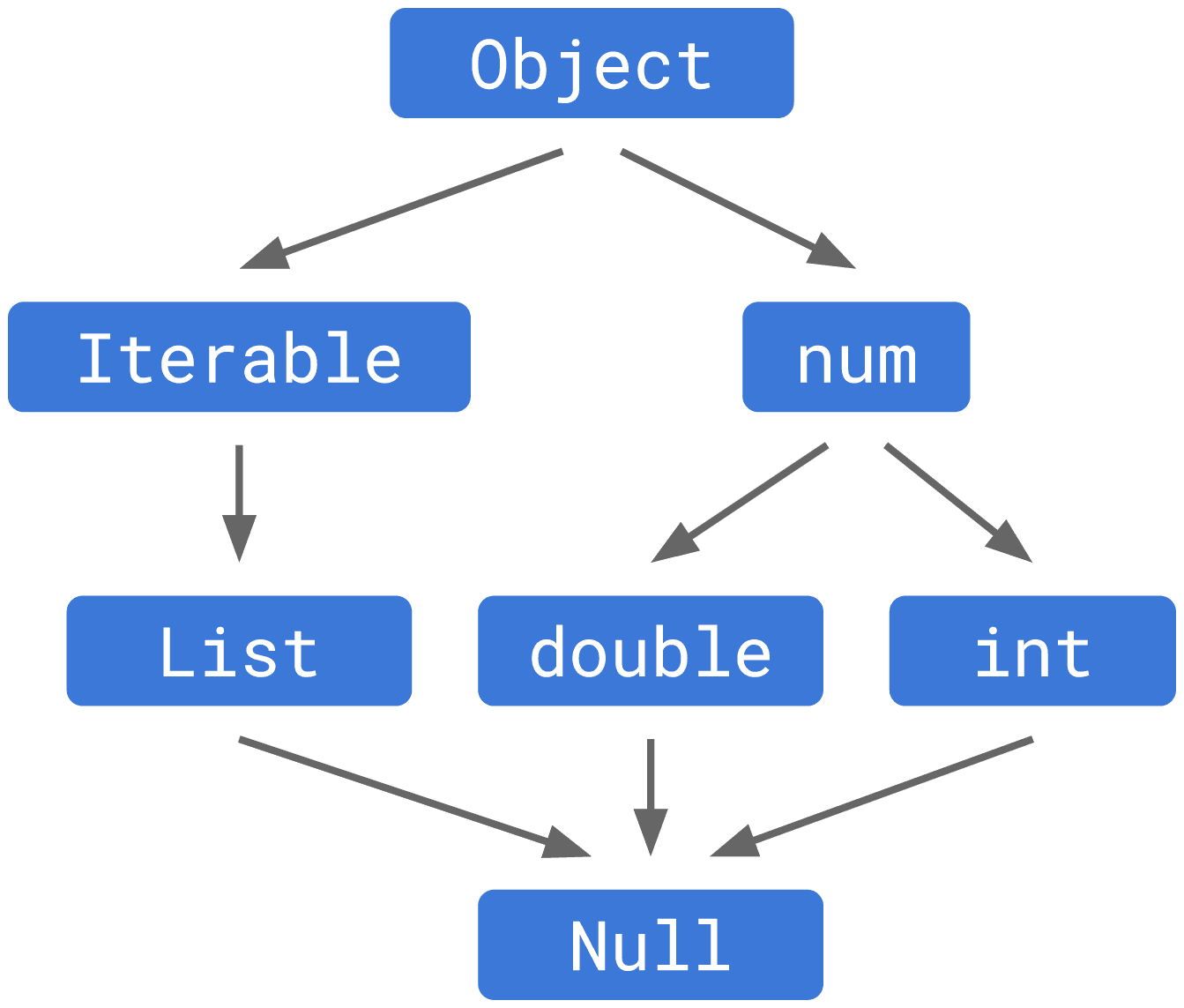
Describe Dart's null-aware ?. and null assertion ! operators
Tests Dart null safety mechanics: ?. short-circuits member access on null, while ! casts away nullability. A strong answer notes ?. avoids NPEs and ! is a risky opt-out. Red flag: claiming ! is safe or that ?. provides a default value.

What is an extension function? Write a hasWhitespace extension for String.
Explain receiverType.functionName adds behavior without inheritance; write hasWhitespace with any { it.isWhitespace() }.
What is a Kotlin extension function? Write one for String.
Tests your grasp of adding functionality to existing classes without inheritance. A great answer defines it as syntactic sugar over static methods, explains its use for third-party code, then implements the requested String.hasWhitespace function.
What is a Kotlin extension function? Write one for String.
Tests adding functionality to classes without inheritance. Define extension functions as static utilities, explain their use case (e.g., third-party libs), then write hasWhitespace using an idiomatic method like any. A red flag is manually looping.
Explain the primary differences between a struct and a class in Swift
Tests value versus reference semantics and their impact on memory and mutation. Strong answers note structs copy on assignment and lack inheritance, while classes share heap instances via ARC. Red flag: claiming structs are always stack-allocated.
What problem does late solve in Dart?
Tests definite assignment and lazy init in null-safe Dart. Strong answers cover: deferred non-nullable field init, lazy final evaluation, and LateInitializationError on early access. Red flag: treating late as nullable or saying it bypasses null safety.

What are the primary advantages of using a data class?
Tests Kotlin boilerplate reduction and value semantics. Name three generated functions like equals, hashCode, and copy; explain structural equality; and show copy updating immutable UI state.
What are the advantages of a Kotlin data class?
Tests knowledge of Kotlin's boilerplate reduction for data holders. A good answer defines the advantage (conciseness), names generated functions like equals, hashCode, and copy, and explains copy for immutable state updates.
What are the advantages of a Kotlin data class and its functions?
Tests knowledge of Kotlin's idiomatic features. A good answer explains the main advantage (boilerplate reduction), lists generated functions like toString() and equals(), and describes copy() for immutable state updates.
How do you use collection-if and collection-for to declaratively build a list?
Tests Dart's declarative collection control-flow features. Answer: show collection-for to filter inside a literal, collection-if for conditional items, and combine both in one expression. Red flag: imperative loops and add() instead of literal syntax.
Explain lateinit var versus val by lazy in Android
Tests deferred initialization and lifecycle coupling. Great answers contrast lateinit var's imperative assignment with lazy's first-access delegation, mapping lateinit to injected Activity fields and lazy to expensive computed objects.
lateinit var vs. val by lazy in Android
Tests your grasp of Kotlin's non-nullable property initialization. Define lateinit (mutable, framework-init) vs. lazy (immutable, deferred-init). Use lateinit for Views in onCreate and lazy for expensive objects. Red flag: confusing their mutability.
lateinit var vs. val by lazy in Android
Tests your grasp of Kotlin property initialization and its lifecycle implications. A good answer contrasts mutability (var/val), initialization timing, and thread safety.
What is a Dart closure? Write a function that returns a function.
Tests lexical scoping: define a closure as a function plus its captured environment, show a makeAdder where the inner function uses a parent variable after the parent returns.
Explain higher-order functions and implement filterAndTransform
Tests whether you can define higher-order functions and use lambdas idiomatically in Kotlin. A strong answer defines HOFs as functions that take or return functions, then implements filterAndTransform with filter and map.
Explain and implement a higher-order function in Kotlin
Tests your grasp of functions as first-class citizens. Define a higher-order function, explain it takes/returns functions, then implement filterAndTransform using the specified lambdas.
Explain and implement a Kotlin higher-order function
Tests understanding of first-class functions and lambda usage. First, define a higher-order function (HOF) as one that takes/returns functions. Then, implement the requested function, iterating to apply the predicate and transform.
Default flexDirection and header-content-footer layout
Default flexDirection is column, unlike web's row; give the root flex 1, fixed heights to header and footer, and flex 1 to a scrollable middle.
alignItems vs justifyContent in flexbox
JustifyContent aligns along the main axis, alignItems aligns along the cross axis; with column direction main is vertical and cross is horizontal.
We are hiring for this. Every open role lists the topics its interview covers, so you can prepare for the real thing rather than guessing.
See open roles