Advanced concepts in Monitoring & SRE, page 2

Bulkhead Pattern: Isolate Failures, Protect Your System
The Bulkhead pattern partitions a system like a ship's hull, containing failures to prevent a total outage. By isolating resource pools for each service or consumer, a fault in one component won't cascade and take down the entire application.
Data Sharding: Splitting a Database for Scale
Sharding splits a huge database into smaller, independent databases (shards), each on its own server. It's like giving different volumes of a phone book to different librarians. This is critical for massive datasets, but a bad shard key creates 'hot spots'.
Threat Modeling for Reliability: Find Failures Before They Happen
Threat modeling for reliability is like pre-gaming an outage: you systematically ask "how will this break?" before shipping code. Instead of attackers, you model failures like a database failing or a cloud region going down, then design mitigations.
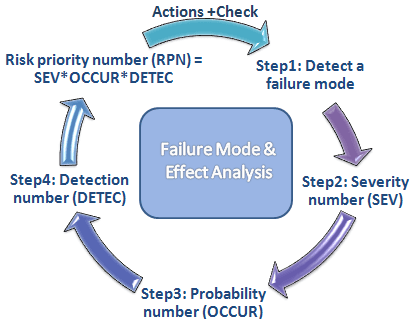
FMEA: Systematically Mapping What Could Go Wrong
FMEA is a structured pre-mortem for system components, cataloging potential failures, their causes, and their effects. It's used in system design to proactively identify risks before they become outages. The footgun is treating it as a one-time task.
Resilience Engineering: Studying Success, Not Just Failure
Resilience Engineering studies how systems succeed despite surprises, not just why they fail. It applies to incident analysis and chaos engineering, focusing on building adaptive capacity for unknown events rather than just preventing known failure modes.
Shift-Left Resilience: Chaos in Your CI/CD Pipeline
Think of it as an automated stress test in your build pipeline that breaks things on purpose. It runs alongside integration tests, injecting faults like pod failures to find weaknesses before a merge.
Just Culture: Fix the System, Not the Blame
Just Culture treats human error as a system failure, not a personal one. It's key for incident post-mortems, encouraging honest reporting to improve reliability.

Customer Reliability Engineering: SRE for Your Customers
CRE extends SRE principles to your customers, making their reliability a shared goal. A provider partners with a key customer to co-engineer resilient services on their platform.
The Ironies of Automation: More Automation, More Problems?
Automating a system to reduce human error makes the human's role more critical, not less. The more reliable the automation, the less practice operators get for the rare, high-stakes moment it inevitably fails, leaving them unprepared to take control.
We are hiring for this. Every open role lists the topics its interview covers, so you can prepare for the real thing rather than guessing.
See open roles