More in Product Management — page 63
Entitlements: Use Feature Flags for Permanent Access Control
Entitlements use permanent feature flags to control long-term access, like a bouncer for your app's VIP section. This is how you manage premium tiers or special user permissions, ensuring the right customers always see the right features.
The Hybrid GTM Model: PLG Meets Enterprise Sales
A hybrid go-to-market model blends a self-serve product with a sales team, letting users start on their own and bringing in sales for big deals. B2B SaaS uses this for efficiency, but the footgun is creating friction if the handoff isn't seamless.
In-Product Discovery: Finding Growth Inside Your App
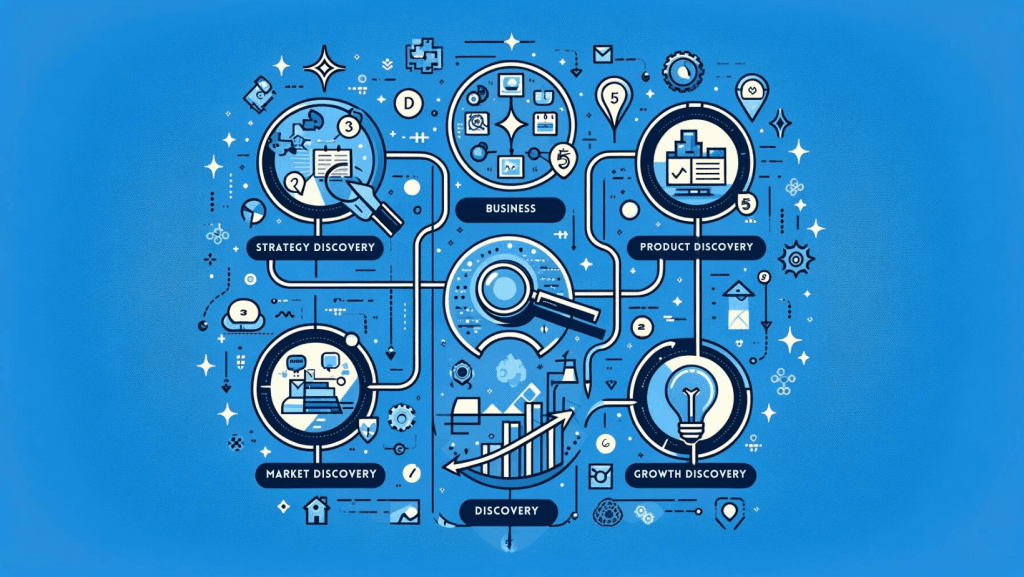
In-product discovery is finding your next growth lever by observing users within your live product, not just in pre-launch research. It's used to scale existing products via in-app experiments.
Product Bumps: Testing Prices with Temporary Increases
A product bump is a temporary price increase for an in-app purchase to test user price sensitivity. It helps you find the optimal price without permanently changing it for everyone. The footgun is misinterpreting statistical noise from small test groups.

Reverse Trial Model: Freemium Reach, Free Trial Urgency
A reverse trial gives new users a time-limited taste of paid features before downgrading them to a free plan. It aims for the best of both worlds: freemium's user acquisition with a free trial's conversion urgency.
Freemium Model: Free Forever, Pay for More
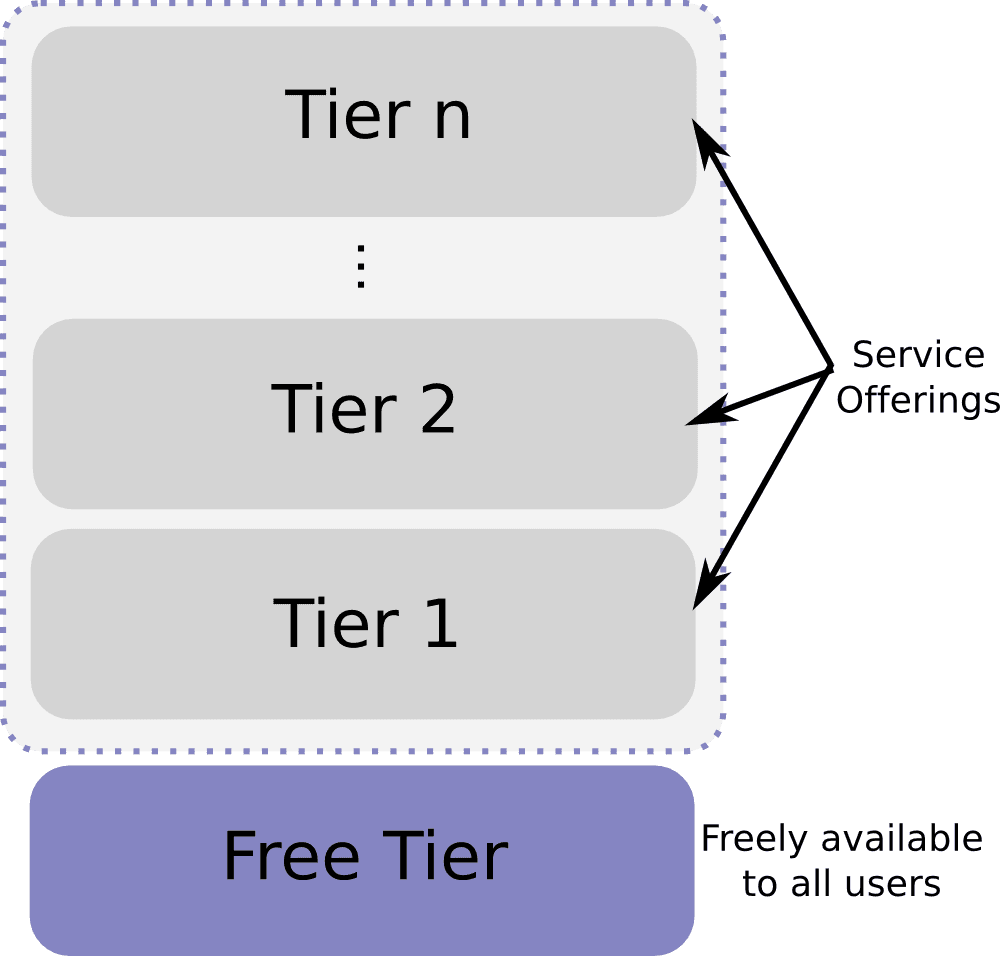
The Freemium model offers a basic product for free, charging only for premium features, services, or goods. This pricing strategy is common in software and video games (as "free-to-play").
The Self-Serve Funnel: Let Your Product Do the Selling
A self-serve funnel lets users discover, try, and buy your product without talking to a human, making the product the main sales driver. It powers rapid growth for companies like Slack. The main footgun is poor onboarding; if users get stuck, they churn.
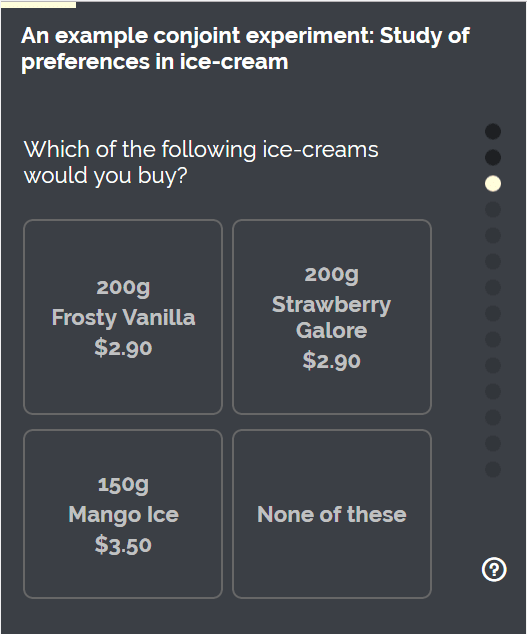
Conjoint Analysis: What Features Do Users *Really* Value?
Stop asking users what they want; make them choose. Conjoint analysis reveals true priorities by forcing trade-offs between product features, like price vs. battery life. It's used for pricing and roadmapping.
Price Elasticity: How Price Changes Affect Demand
Price elasticity measures how sensitive sales are to price changes. An elasticity of -2 means a 1% price increase causes a 2% drop in quantity sold. It's key for forecasting revenue from price tests, but the biggest footgun is assuming this ratio is constant.
Value-Based Pricing: Charge for Impact, Not Cost
Value-based pricing anchors your price to the customer's perceived benefit, not your production costs. It's used for unique goods like art or software where value is high. The main footgun is assuming value instead of researching customer willingness to pay.

Usage-Based Pricing: Pay for Value, Not Seats
Usage-based pricing links cost directly to consumption, letting customers pay for what they use instead of a flat fee per user. It's common for cloud services (AWS) and APIs where value isn't tied to seats.

Tiered Pricing: One Product, Many Prices
Tiered pricing sells one product at multiple prices by packaging features for different customer needs. It's common in SaaS (Basic, Pro, Enterprise plans) and telecoms.
Average Revenue Per User (ARPU)
ARPU is the average revenue each user generates, a pulse check for a subscription business's health. It's used by media and SaaS companies to track if users are becoming more valuable, but it can be skewed by a few high-paying "whales."
Subscription Business Model: Renting Access, Not Selling Products
A subscription model rents access to a product instead of selling it, creating predictable, recurring revenue. It's common for digital goods like streaming services or SaaS.
Freemium: Give Away the Basics, Sell the Upgrades
Freemium gives away a useful core product for free to attract a large audience, then sells premium features to a small subset of users. It's common in apps and games. The footgun is miscalibrating the free tier: make it too good and no one pays.
Customer Health Score: A Predictive Churn Signal
A Customer Health Score is like a credit score for customer loyalty, predicting churn risk. SaaS companies use it to focus retention efforts on at-risk accounts before they cancel. The footgun is using vanity metrics like logins over true value signals.
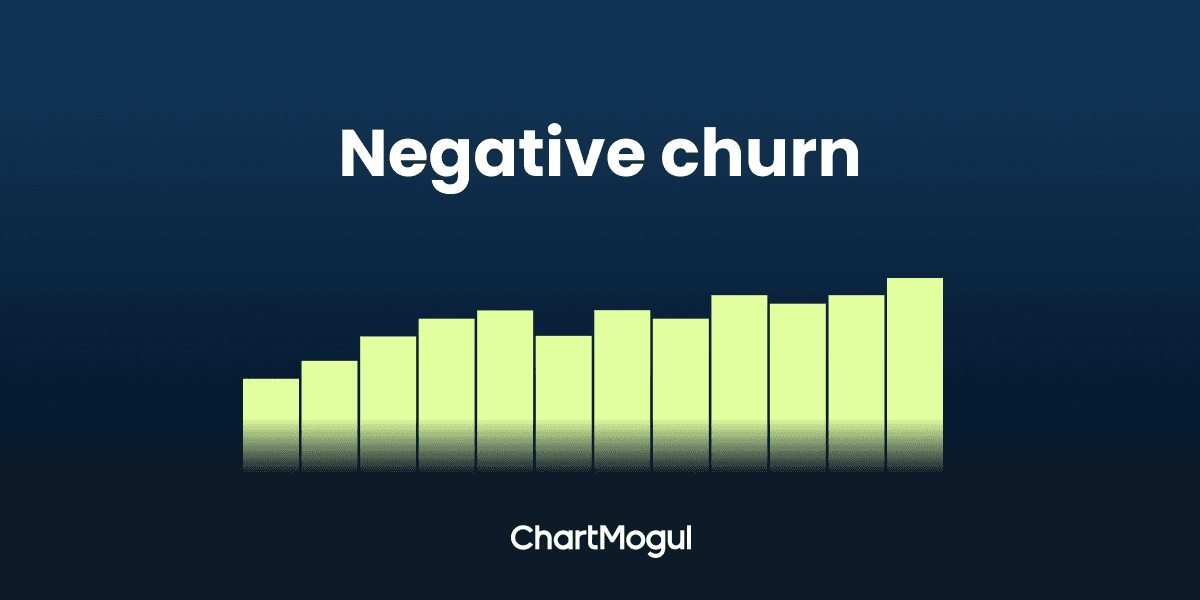
Negative Churn: When Losing Customers Still Means Growth
Negative churn means existing customers upgrade faster than others leave, growing your revenue even if you lose logos. It's a key SaaS metric for variable pricing models. The footgun: you can have negative revenue churn while still losing many customers.
Notification Preference Center: Granular Control to Reduce Churn
A notification preference center gives users granular control, not just a global unsubscribe. It lets them choose what (updates vs. reminders), where (email vs. push), and how often (real-time vs.

Streaks: Engineering Identity Through Loss Aversion
Streaks convert effort into identity, making users fear losing progress more than they enjoy extending it. Apps like Duolingo use this for daily engagement, but the footgun is when the streak itself becomes the goal, trapping users in a loop of loss aversion.
Email Drip Campaigns: Automated User Nurturing
An email drip campaign is an automated conversation guiding a user from one state to another. It's used for onboarding new users or re-engaging inactive ones. The footgun is creating a rigid monologue that ignores user behavior instead of reacting to it.