All bites
The whole library, newest first. Filter by what you are here for, or pick a topic if you already know.
4247 bites
Page 2
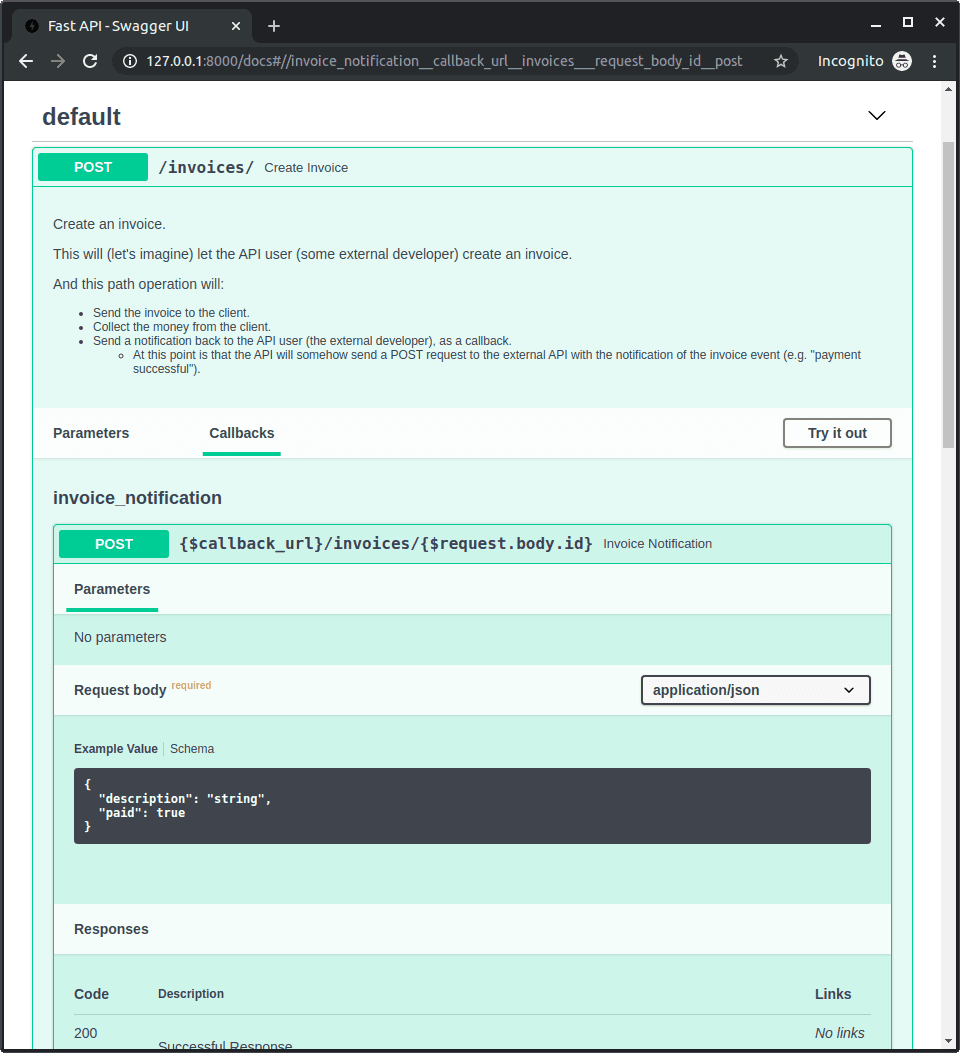
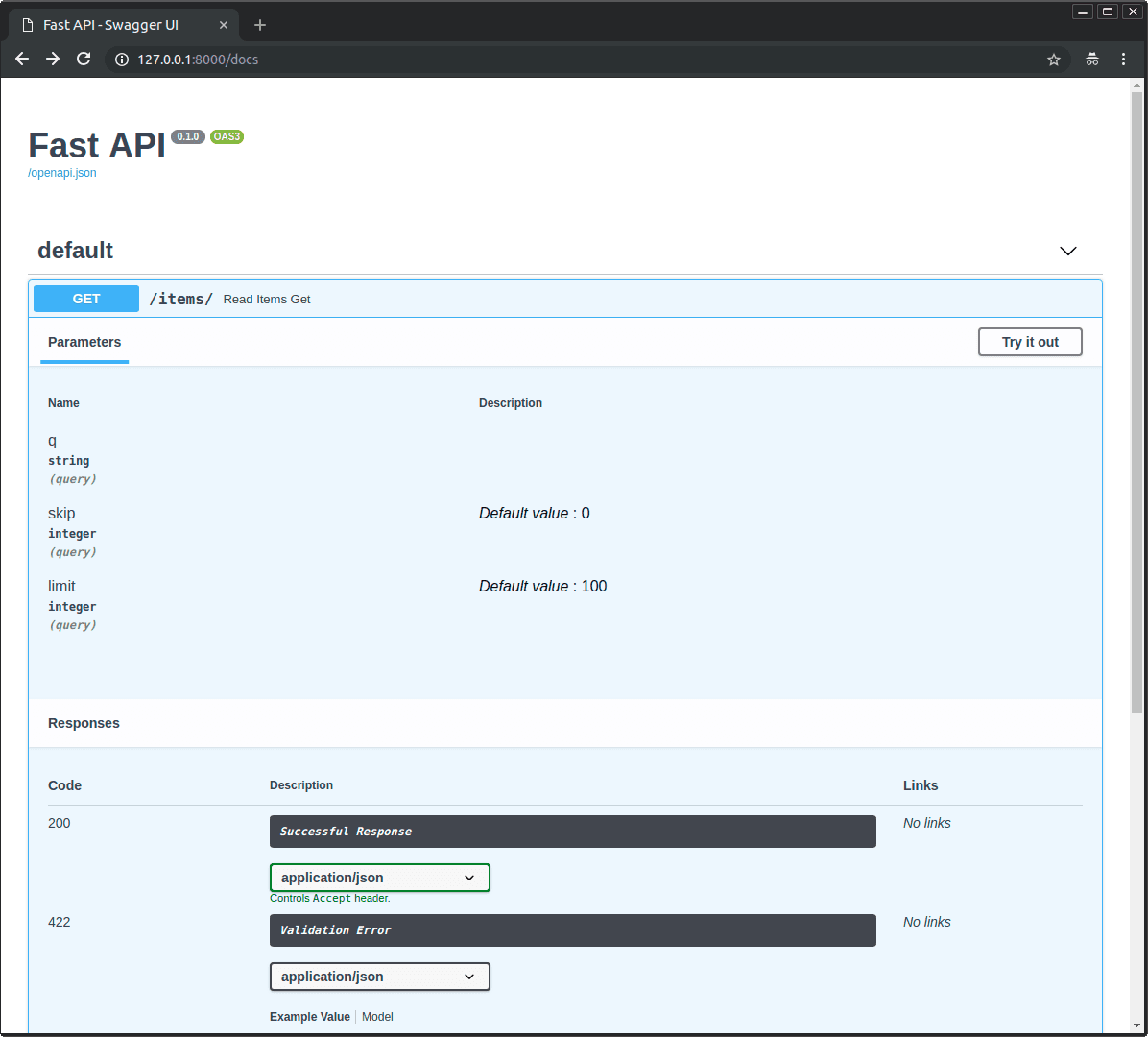
FastAPI: Automatic Interactive API Docs
FastAPI turns your Python type hints into live, interactive API documentation. It generates an OpenAPI schema to power a UI where you can test endpoints directly from your browser, no extra work needed.
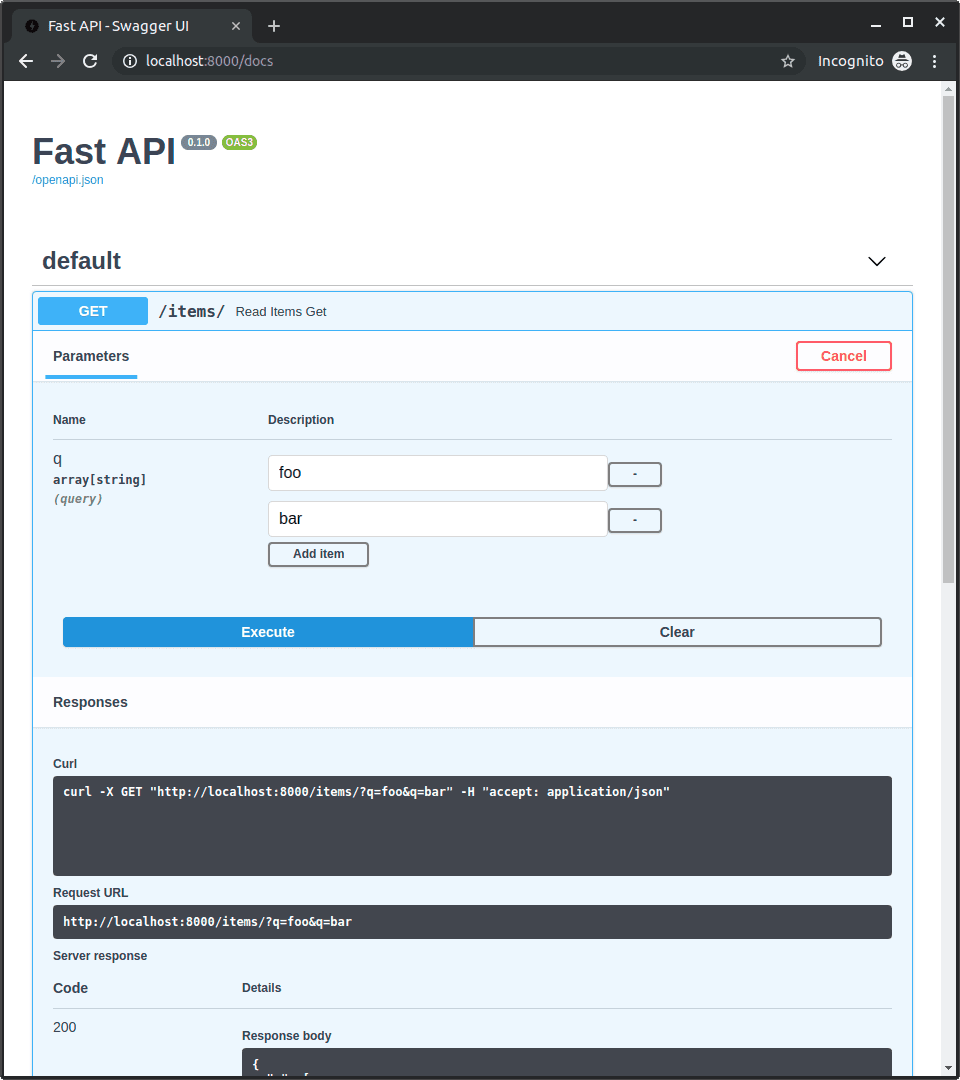
FastAPI: Validate Parameters with Query and Path
FastAPI's Query and Path objects let you declare rich validation rules directly in your function's signature. Enforce string lengths, regex patterns, or numeric ranges on URL parameters without writing manual checks.
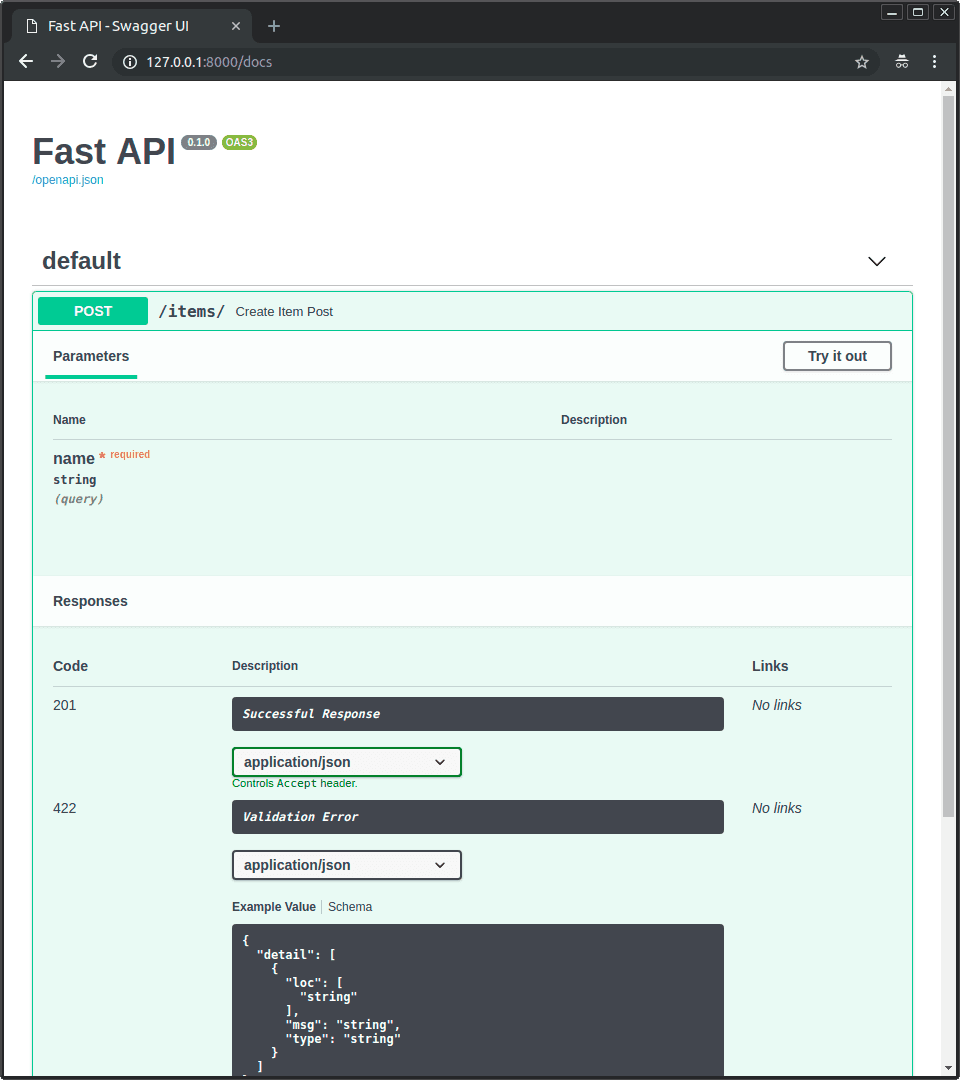
FastAPI: Set a Response's HTTP Status Code
In FastAPI, set the success status code in the decorator, not the function. Use status_code=201 in @app.post() to signal resource creation. The common footgun is placing status_code in the function signature instead of the decorator itself.
FastAPI: Use HTTPException to Return Client Errors
FastAPI's HTTPException is your tool for stopping an operation and sending a clean HTTP error. Raise it when business logic fails, like a missing database record. The footgun is catching it yourself; just raise it and let FastAPI do the rest.

Async Path Operations in FastAPI
FastAPI path operations can be async, letting the server switch to other requests during I/O waits. Declare dependencies and sub-dependencies async when they await external calls.
Starlette's Request Object: A Clean API for ASGI
Starlette's Request object is a high-level wrapper around the raw ASGI scope, providing a clean API for request data. Use it in endpoints to read headers, query params, or parse the body. The footgun: the request body can only be read once.

Pydantic: Required vs. Optional Fields
In Pydantic, a field is required by default. To make it optional, you must provide a default value, like name: str = "guest" or age: int | None = None. This is key for flexible API request bodies.

Nested Pydantic Models: Composing Complex Data
Use a Pydantic model as a field type inside another to build complex, nested structures. This is essential for modeling JSON with sub-objects, like a user with an address.

Pydantic's Data Coercion: From Raw Data to Python Types
Pydantic automatically converts raw data, like strings from a JSON request, into the Python types you declare. It's how FastAPI turns a JSON body into a typed Python object.

Pydantic: Configuring Models with `model_config`
Think of model_config as the settings panel for your Pydantic models, letting you change validation rules like string length or immutability. Use it to enforce global constraints or make models immutable. The footgun is using the old class Config: from V1.

Pydantic Computed Fields: Serialize Derived Values
A Pydantic computed field makes a derived value, like an area from width and length, part of your model's serialized output. Use it to include calculated attributes when calling .model_dump().
FastAPI: Handling Form Data, Not Just JSON
FastAPI can handle classic HTML form data, not just JSON. Use Form to define expected fields in your endpoint, just like query parameters. It's ideal for login pages. The footgun: forgetting to pip install python-multipart will break form parsing.
Declaring Request Headers in FastAPI
Treat request headers like any other parameter in FastAPI. Declare them in your function signature to access values like User-Agent or X-Token. FastAPI automatically converts hyphens to underscores, so User-Agent is accessed via the user_agent…
FastAPI: Reading Request Cookies
FastAPI treats request cookies like any other parameter. Declare them directly in your endpoint's function signature using Cookie(), and the framework will extract the value for you. Use this for reading session IDs or user preferences.
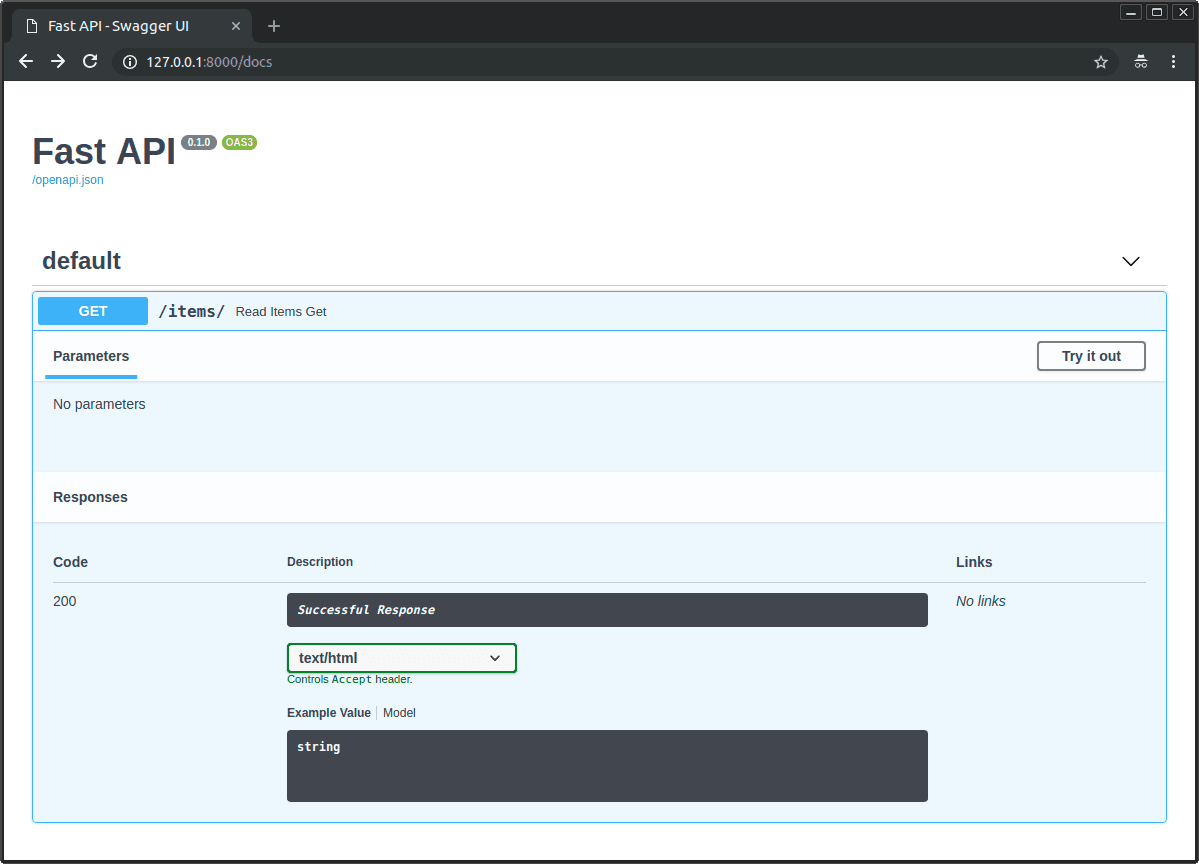
FastAPI: Returning HTML with HTMLResponse
Override FastAPI's default JSON output by using HTMLResponse to return a raw HTML string directly from an endpoint. It's for simple status pages or server-side rendered components.
FastAPI: Use UploadFile for Efficient File Uploads
FastAPI handles file uploads as 'form data', giving you a streamable UploadFile object instead of a raw byte blob. Use this for endpoints like image or document submissions. The footgun is reading large files into memory instead of streaming them.
FastAPI: Set Cookies Without Returning a Response Object
Inject a Response object into your endpoint to set cookies without manually building the whole response. Use this for session tokens while still returning data like a dict.
FastAPI `yield` Dependencies for Setup and Teardown
A yield dependency is a context manager for your endpoints. Code before yield runs setup, like getting a DB connection; code after yield runs teardown.
FastAPI: Setting Custom Response Headers
Set custom HTTP headers in FastAPI by adding a Response parameter to your endpoint. This lets you add metadata like trace IDs without changing your return data. The footgun is thinking you must return the Response object; just return your data as usual.
FastAPI's Depends: Let the Framework Handle Setup
Think of Depends as a pre-flight checklist for your API endpoints. You list required setup tasks, like getting a user or a database session, and FastAPI runs them for you. This is key for sharing logic like auth or database connections across many routes.