All bites
The whole library, newest first. Filter by what you are here for, or pick a topic if you already know.
4247 bites
Page 28
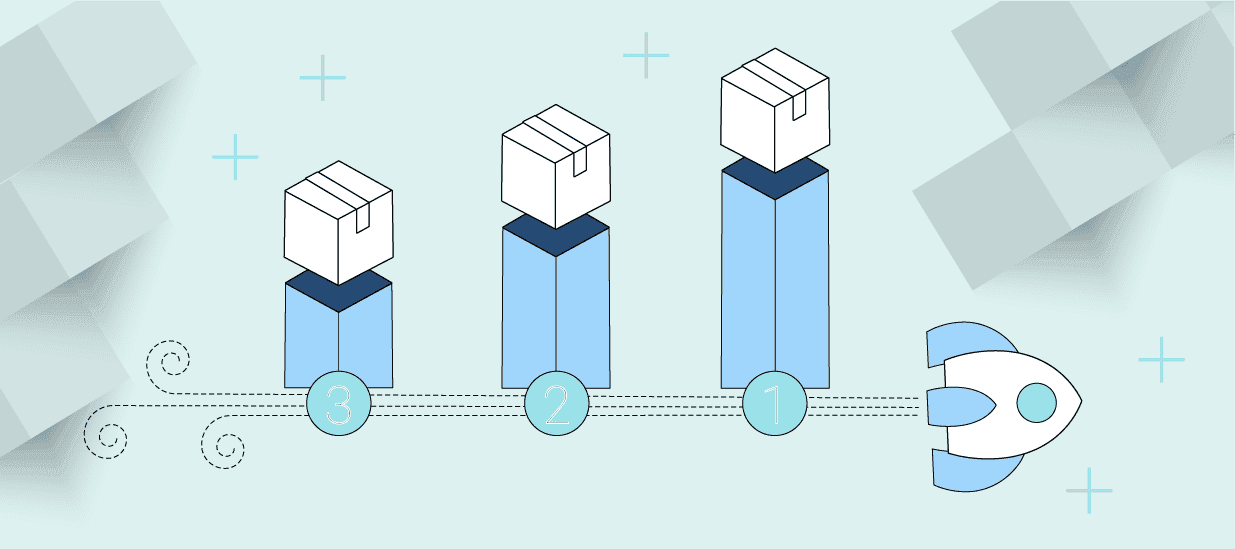
Product Launch Tiers: Right-Sizing Your Go-to-Market
Product launch tiers match marketing effort to business impact. Instead of a one-size-fits-all approach, you classify releases to allocate resources rationally, preventing burnout on minor updates while focusing big efforts on major products.
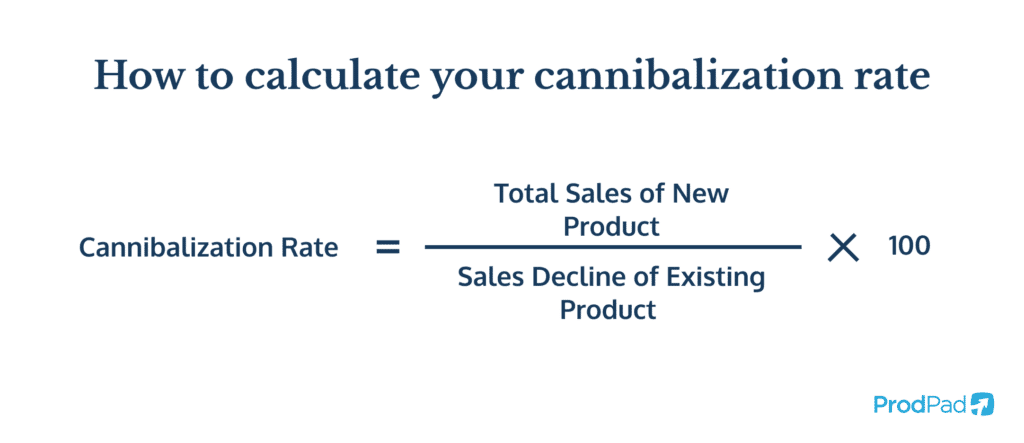
Product Cannibalization: Eat Your Own Lunch
Product cannibalization means competing with yourself before someone else does. Apple famously did this with the iPhone, knowing it would kill the iPod. The footgun is accidentally shrinking your total market share instead of growing it with new offerings.

Platform Governance: Enabling Scale Without Chaos
Platform governance provides guardrails for internal tools, letting teams build safely and quickly. It's crucial when a platform's growth creates security risks or duplicated effort. The footgun is reactive governance—only making rules after an incident.

Influence Without Authority: Earn Your Influence Capital
Influence isn't rank; it's 'influence capital' you earn. Product managers use this to lead teams they don't manage by building expertise, strong relationships, and compelling data. The footgun is trying to make big asks before you've made these deposits.

Objection Handling: Turning Customer 'No's into Trust
Objection handling turns customer feedback into trust, even when you say 'no.' Instead of just rejecting a feature request, you explain the 'why' behind your roadmap.
Product Vision: The User's Future, Not Yours
A product vision is a shared picture of the future your product creates for users, not a feature list. It aligns distributed teams when data is ambiguous. Teams often mistake it for a mission statement or roadmap, producing vague slogans, not a useful filter.
Vision Storytelling: Turn Roadmaps Into Shared Futures
Vision storytelling makes strategy tangible by narrating the future your team is building. Use it when roadmaps explain what but not why. The footgun is confusing slogans for stories; without a user, conflict, and resolution, you get branding, not alignment.
Now-Next-Later Roadmaps: Commitment Over Calendar Dates
Now-Next-Later buckets work by commitment, not dates, keeping priorities visible without false precision. Use it when teams need alignment more than Gantt charts. The fatal mistake is letting stakeholders map buckets to quarters, recreating the deadline trap.
Sales-Led Growth: High-Touch Revenue Motion
Sales-led growth uses human reps as the primary engine, not self-serve signup. It fits complex, high-price products with procurement hurdles. The footgun is hiring sellers before repeatable messaging exists, burning cash on custom pitches that never scale.
Three Horizons: Core, Growth, Future
Three Horizons splits energy across core defense, scaling winners, future bets at once. Use it when your roadmap is only incremental tweaks with no long-term bets. The footgun is seeing horizons as sequential stages, not parallel portfolios needing fuel today.
The Platform Chicken-and-Egg Trap
A platform is worthless until both sides show up, yet neither arrives first without the other. Marketplaces and payment networks face this coordination trap. Growing both sides at once starves the platform because neither reaches critical mass.
Minto Pyramid Principle: Answer First
Start with the answer, then stack the proof beneath it. Use it when executives will cut you off if you don't reach the point in 30 seconds. The footgun is messy buckets: overlapping supporting arguments collapse the pyramid and make correct answers look…
User-Centered Design: Build for Who, Not What
User-Centered Design (UCD) puts the user's goals, tasks, and environment at the core of development. This process shapes software and websites through user personas and real-world testing.
Nielsen's 10 Heuristics: Rules of Thumb for UI Design
Nielsen's Heuristics are ten rules of thumb for evaluating if a design is user-friendly. Use them to spot usability issues in any interface, from apps to stovetops. The biggest mistake is treating them as strict laws, not flexible guidelines.
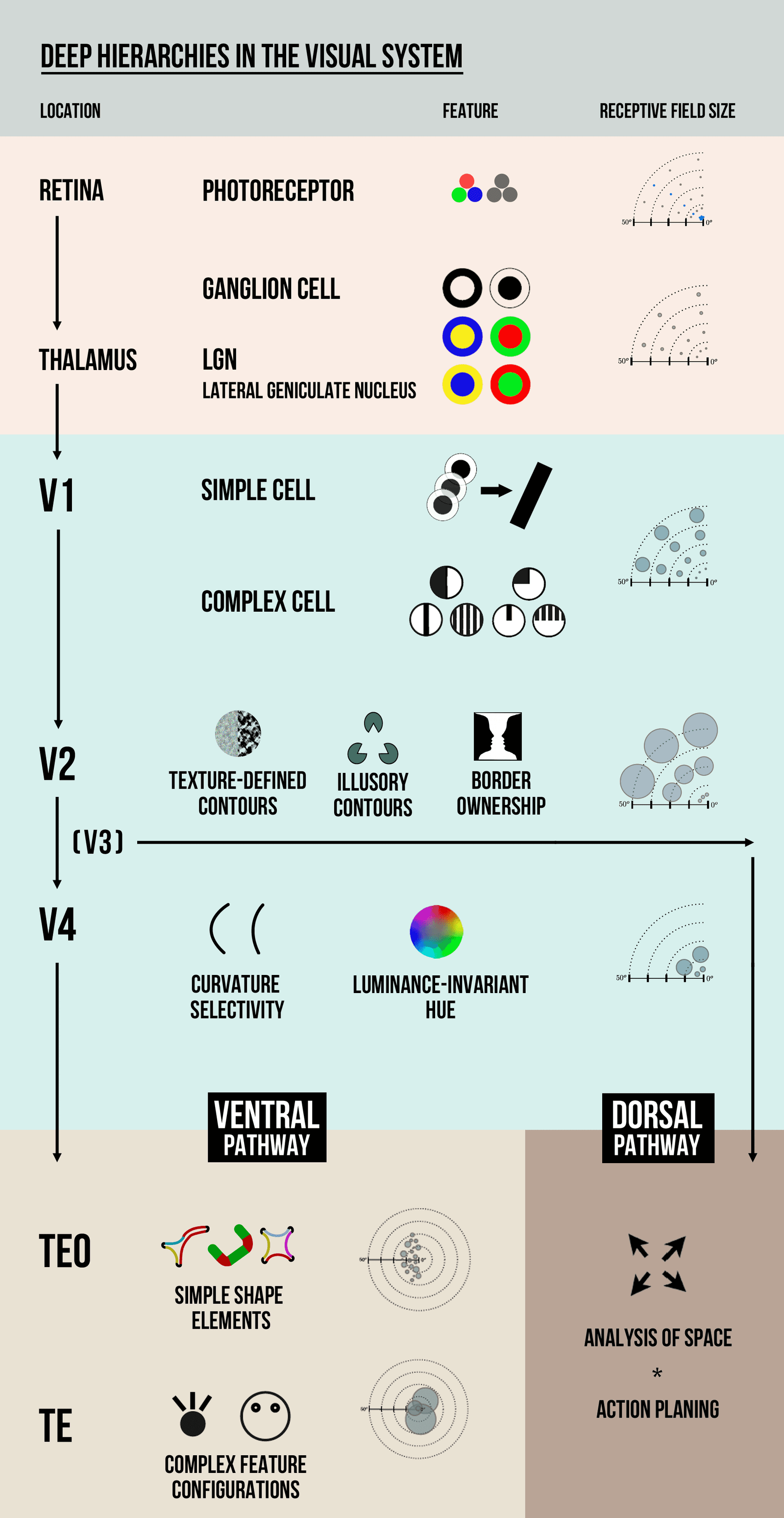
Visual Hierarchy: Guiding the User's Eye
Visual hierarchy guides the user's eye by making important things look important. It uses contrast in size, color, and placement to create a path of importance, like a big headline versus small footer text.
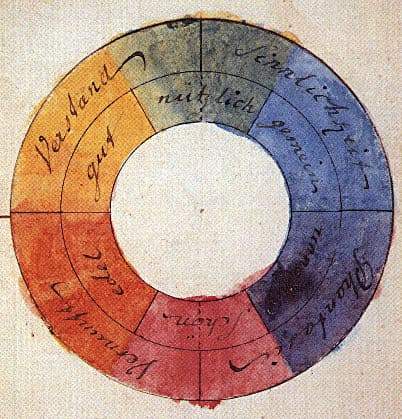
Color Theory: Harmony, Contrast, and Meaning in UI
Color theory is a system for using contrast, harmony, and symbolism to guide user experience. It's applied in UI to create visual hierarchy, evoke brand emotions, and ensure readability.
UI Typography for Readability
Good typography isn't about fancy fonts; it's about making content effortless to read by controlling size, spacing, and alignment. It's crucial for body copy, headings, and labels. The footgun is using justified text or lines over 90 characters long.
Affordances Are Actions, Signifiers Are Clues
An affordance is what's possible (a door can be pushed), while a signifier is the clue telling you how (the flat plate). In UI, a button's styling is a signifier for its click affordance. The footgun is saying 'affordance' when you mean 'signifier'.

Jakob's Law: Don't Reinvent the UI Wheel
Users spend most of their time on other sites, so they expect yours to work like everything else they already know. Leverage familiar patterns for navigation, icons, and workflows.
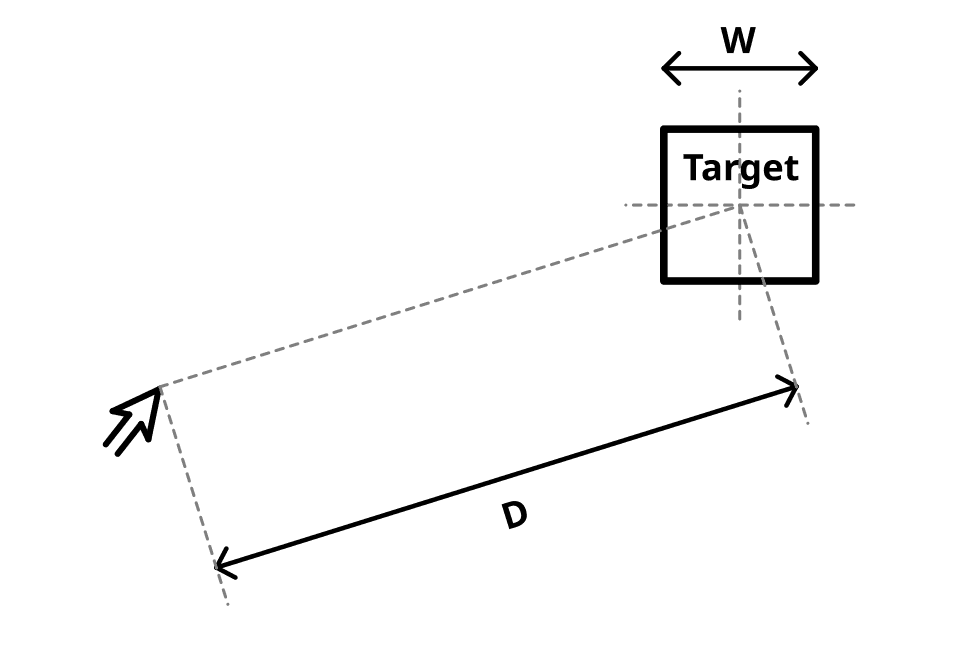
Fitts's Law: Bigger, Closer Targets Are Faster to Hit
Fitts's Law predicts that the time to hit a target depends on its distance and size. This is why mobile buttons are large and context menus appear at your cursor. The footgun is making everything huge, which sacrifices information density and visual hierarchy.