All bites
The whole library, newest first. Filter by what you are here for, or pick a topic if you already know.
4247 bites
Page 80
express-validator: Validate at the Edge
express-validator stops garbage before it hits your logic. Use it on any route that accepts user input like form data, query strings, or JSON payloads. The biggest mistake is validating but forgetting to check validationResult, so invalid requests pass.

Cloud Computing: Renting Someone Else's Computer
Cloud computing is like renting a car instead of buying one. You get access to powerful computers and services over the internet, paying only for what you use, without the upfront cost of owning hardware. The footgun: "cheap to start" isn't "cheap at scale."

Public Cloud: Renting, Not Owning, Your Datacenter
Public cloud is like renting computing power instead of owning a datacenter. You get on-demand access to a shared pool of resources like servers and storage, paying only for what you use. The main footgun is cost; uncontrolled usage leads to surprise bills.
Private Cloud: Cloud Computing on Your Terms
A private cloud offers cloud benefits like self-service and scalability on dedicated hardware. It's used for sensitive data or regulatory compliance. The footgun: it's not just a data center; it requires a full cloud software stack for automation.
Infrastructure as a Service (IaaS): Renting the Data Center
IaaS is like renting raw computing hardware—servers, storage, and networking—without owning the physical data center. It's used for workloads needing maximum control, but the footgun is you're still responsible for managing the OS and all software.
Platform as a Service (PaaS): Focus on Code, Not Infrastructure
PaaS is like a managed workshop for your code; you just bring your application, and the platform handles the servers, OS, and runtime. It's used to quickly deploy web apps without managing infrastructure. The footgun is inflexibility and vendor lock-in.
SaaS: Renting Software Instead of Owning It
Think of SaaS as renting software. You pay a subscription to use an app online, and the provider handles all maintenance. This model offers scalability and cost-effectiveness, but the footgun is forgetting you don't own the software or control the update…

CapEx vs. OpEx: The Cloud's Financial Shift
Cloud computing shifts IT spending from buying assets upfront (CapEx) to paying for services as you use them (OpEx). Think buying a car vs. hailing a ride. This model lets you scale on demand, but the biggest mistake is assuming it's always cheaper.

Cloud Scalability vs. Elasticity: Planned Growth vs. Real-Time Reaction
Think of scalability as adding lanes to a highway for long-term growth. Elasticity is opening a reversible lane only during rush hour. Scalability handles predictable demand, like a product launch; elasticity manages unpredictable spikes, like a viral post.
High Availability: Designing Systems That Don't Go Down
High Availability (HA) means designing systems to survive failures by having redundant components ready to take over instantly. It's essential for services like payment gateways where downtime costs money and user trust.
Cloud Regions and AZs: Infrastructure Built for Failure
Think of a cloud region as a city and its availability zones (AZs) as independent power grids. If one AZ fails, your app runs in another. The footgun is deploying to a single AZ; this provides no protection against data center-level outages.
The Cloud's Shared Responsibility Model
Using the cloud means you share security duties with the provider. The split depends on the service: in IaaS, you manage the OS and up; in PaaS, just your app and data; in SaaS, mostly your data and users.
Multi-cloud: Spreading Bets Across Cloud Providers
Multi-cloud is a strategy for using services from two or more cloud providers to avoid vendor lock-in. It's used to cherry-pick best-in-class services or improve resilience. The footgun is underestimating the complexity of managing disparate APIs and security.
FaaS: Run Code, Not Servers
FaaS lets you run code without managing servers, like renting a contractor for one task. It's ideal for event-driven actions like processing uploads or handling webhooks. The footgun is cost: for high, steady traffic, a dedicated server is often cheaper.
Virtual Machine (VM): A Computer Inside a Computer
A Virtual Machine (VM) is a complete computer simulated in software, letting you run multiple isolated operating systems on a single physical machine. This is how cloud providers rent out server space.
Machine Images: The Blueprint for Your Servers
A machine image is a server blueprint, packaging an OS and software into a template for launching identical virtual machines. It's used for auto-scaling and creating consistent environments.
Cloud Instances: Renting Servers on Demand
Think of a cloud instance as renting a virtual computer. Instead of buying hardware, you launch a pre-configured virtual machine to run your applications, paying only for what you use. This is ideal for applications that need to scale up or down with demand.
Cloud Load Balancer: Your App's Traffic Cop
A cloud load balancer is a traffic cop for your servers, distributing requests across a pool of machines to prevent overload. It's essential for scaling apps and ensuring high availability.

Auto Scaling Groups: Elasticity and Self-Healing
An Auto Scaling Group (ASG) is like a thermostat for your servers, automatically adding or removing instances to match demand and replacing any that fail. Use it for web apps with variable traffic or services that need to self-heal from instance failures.
AWS Reserved Instances: Commit to Compute, Save Big
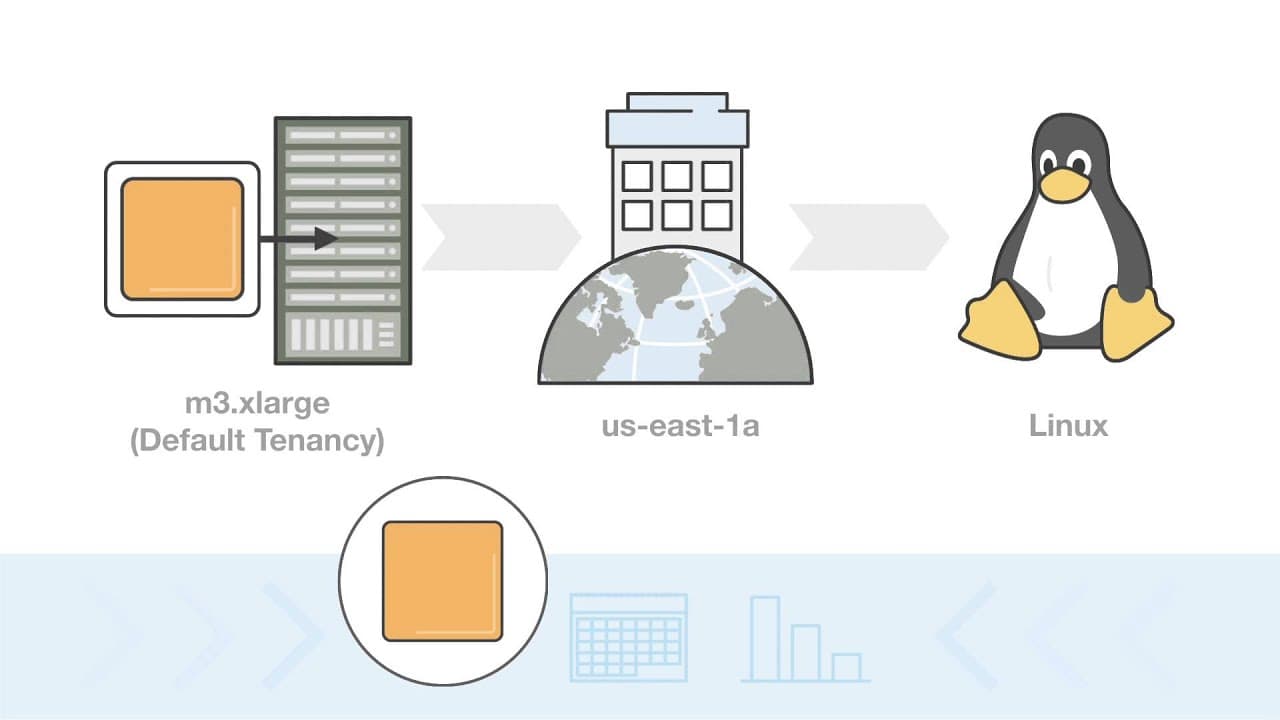
Reserved Instances are like leasing a car instead of renting daily: commit to 1-3 years of compute for a steep discount. They're ideal for predictable, steady-state workloads. The footgun is buying inflexible Standard RIs when your needs might change.