All bites
The whole library, newest first. Filter by what you are here for, or pick a topic if you already know.
4330 bites
Page 160
Explain false positives and negatives for churn
False positive flags a loyal customer (wasted incentive), false negative misses a leaver (lost customer), tie to threshold choice.
Design an automated A/B test reporting system
Standardized metric definitions, automated stats with confidence intervals and guardrails, segment breakdowns, a clear ship recommendation.
Explain a loan denial with LIME or SHAP
LIME fits a local surrogate, SHAP attributes the prediction across features via Shapley values, both give per-feature contributions.
repartition() versus coalesce() in Spark
Repartition does a full shuffle and can increase or balance partitions; coalesce avoids a full shuffle and only reduces them.
Purpose of watermarks in Spark Structured Streaming
A watermark sets a threshold on event-time lateness, lets late data update windows up to that bound, and tells Spark when to finalize and drop old state.
Communicate a forecast interval to an executive
Give the point estimate but frame the range as scenarios, use a fan chart, tie the interval to planning decisions and risk.
A/B test two fraud models in production
Randomize by entity, consider shadow mode first, collect precision/recall and business loss, decide with significance and guardrails.
Audit an ML pipeline for GDPR compliance
Inventory data and check minimization, verify processing matches stated purpose, build lineage to trace any prediction's inputs.
Parquet versus CSV for analytical data lakes
Parquet stores by column enabling projection pushdown, compression, and predicate skipping; CSV is row-based, untyped, and slow to scan.
Interactive versus static plots for EDA
Interactive libraries win for exploring dense, high-cardinality, or multi-dimensional data via zoom, hover, and filtering; static plots win for reproducible, publication output.
Present a small but significant A/B test lift
Hypothesis, design and validity checks, result with effect size and interval, business impact of 0.5%, then a clear recommendation.
Explain an interaction effect to a non-statistician
Define interaction as it depends on, show separate slope lines per age group, give the business takeaway on targeting.
Demographic Parity versus Equalized Odds in hiring
Demographic parity equalizes selection rates regardless of qualification; equalized odds equalizes true and false positive rates across groups, conditioning on the true label.

Outline README sections for a migration CLI and explain persuasion
Tests information architecture and developer persuasion. Strong answers sequence: hook, one-line install, runnable quickstart, comparison table, then config. Front-loads time-to-value and tackles migration pain.
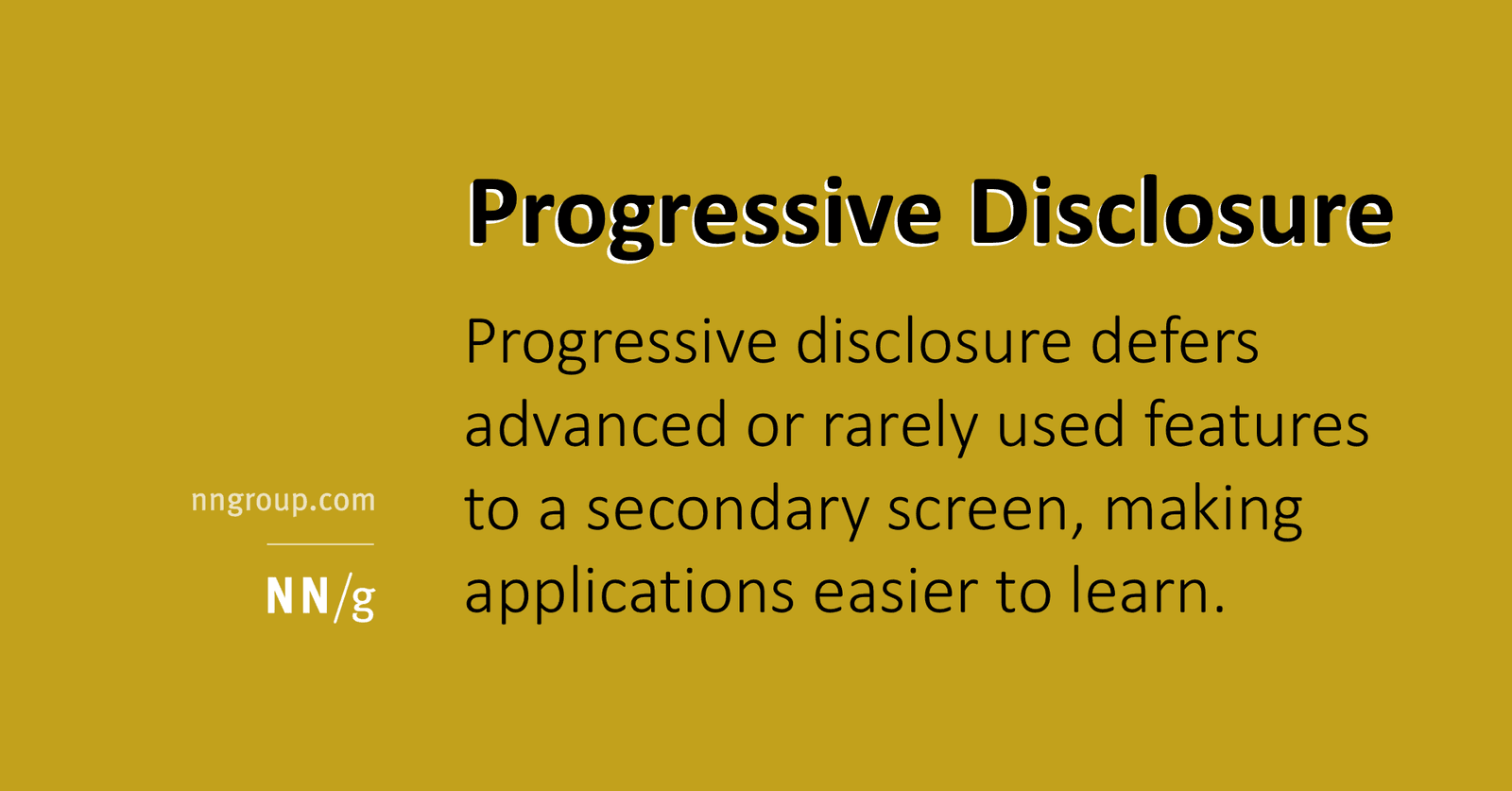
How would you apply progressive disclosure to UI copy and tooltips?
Tests tiering copy by expertise. Good answers: show plain labels and short tooltips for common tasks; hide advanced settings, risks, and edge-case definitions behind expanders or secondary sheets. Red flag: dumping all help text inline to eliminate clicks.
How would you document a destructive API endpoint safely?
This tests balancing legal safety and usability for irreversible API operations. Strong answers use signal words like WARNING, direct imperatives, and distinct formatting. Red flag: vague phrases like 'be careful' or burying warnings in prose.
Write a conventional commit for a non-US date sorting bug
Pick fix(locale): imperative subject; body explains root cause, impact, and SemVer mapping.
Structuring release notes for breaking API changes
Lead with a summary and why, group breaking changes with before/after migration steps, give deprecation timelines and an upgrade path.

How would you A/B test sign-up button copy and measure results?
This tests basic experimental design. A strong answer covers: random assignment, serving variant copy, tracking impressions and conversions, and measuring lift. A red flag is sequential testing or vanity metrics like clicks without sign-ups.

How would you track clicks on headlines and calls-to-action?
This tests DOM event handling and basic telemetry design. A strong answer covers event delegation with addEventListener, data attributes for element IDs, and a payload with timestamp and page context.